The History, Highlights, and Fascinating Details of the Hungarian Parliament Building (Hungary’s Parliament Building)
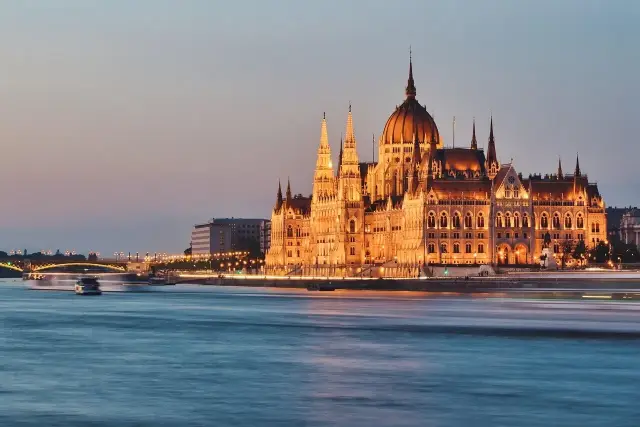
The first time I saw the Hungarian Parliament Building, I honestly thought it was a royal palace. It was so grand, enormous, and breathtakingly beautiful—easily a match for anywhere else in Europe!
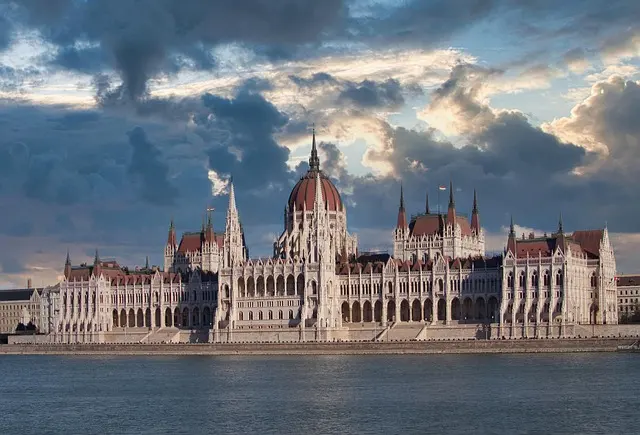
But this is actually the “House of the Nation,” or Orszaghaz, Hungary’s parliament building. Beyond its everyday political work, it embodies the history, art, and identity of the Magyar people.
Whether you admire it from the riverbank during the day or watch its lights reflected in the water on a postcard-perfect evening
or step inside to see the first king’s Holy Crown beneath the central dome, every part offers a “wow” moment that you should experience in person at least once in your life.
Hungarian Parliament Building
Hungarian name: Orszaghaz (meaning “House of the Nation”)
Location: On the banks of the Danube River, on the Pest side of Budapest
History
The idea behind its construction: After Hungary gained partial self-government from the Austro-Hungarian Empire in 1867, the government decided to build a parliament building as a symbol of sovereignty.
- Construction began: 1885
- Completed: 1902 (taking over 17 years)
- Architect: Imre Steindl, a renowned architect of the era, who designed the building in the Neo-Gothic style with touches of Renaissance and Baroque art.
- Architectural grandeur
- Dimensions: Length 268 meters / width 123 meters
- Central dome height: 96 meters (representing the year 896, when the Magyar people settled in this region)
- Number of rooms: More than 690
- Staircases: A combined length of over 20 kilometers!
- Central dome: Displays the ancient crown of King เซนต์สตีเฟน (St. Stephen), along with precious jewels.
Highlights visitors should not miss
1. The beautiful exterior (along the Danube River)
Standing majestically beside the river, the building is a major Budapest landmark, especially when illuminated at night.
An evening river cruise offers the most beautiful photos of this building.
2. Inside the building
- The reception hall (Grand Staircase Hall) features a ceiling decorated with real gold and beautiful stained glass.
- Parliamentary chambers for meetings of both legislative houses
- The central dome displays the crown of เซนต์สตีเฟน (Holy Crown of Hungary), considered a sacred national treasure.
- The red carpet inside is the longest in the country.
3. Artistic details
- More than 1,000 craftspeople worked on the building.
- More than 40 kilograms of real gold were used to decorate the interior.
- Stone and wood were sourced from across Central Europe.
What to know before visiting
- Visitor numbers are limited: You must book a time slot in advance. A coordinator leads the visit.
- Coordinator languages: English, German, Spanish, French, and others are available.
- Duration: Approximately 45 minutes
- You must pass through a security check before entering.
Photography tips
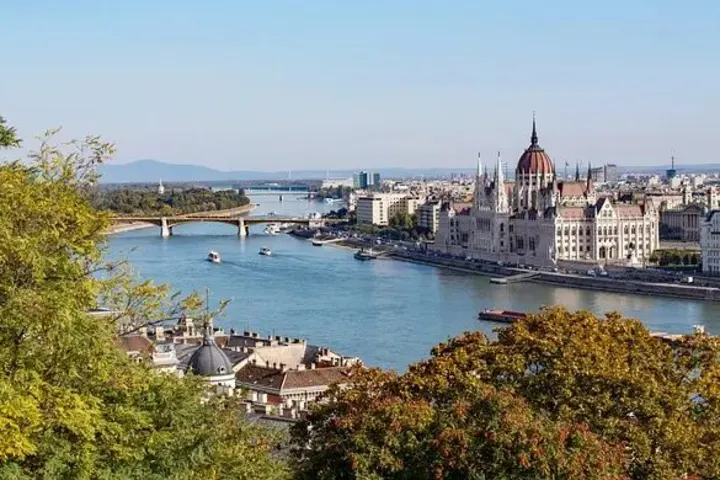
- Outside: Take photos from the Buda side to capture the entire building reflected in the river.
- Inside: Photography is prohibited in the room displaying the crown.
- At night: Walk to the viewpoint at Batthyany Square to photograph the illuminated building.
This building was inspired by the Palace of Westminster in London.
It is one of the largest parliament buildings in the world.
It symbolizes the rebirth of the Hungarian nation as a “modern state” after centuries of struggle.
More than a government building…this is the heart of Hungary.
The Hungarian Parliament Building offers more than “beautiful photos”—it brings together the nation’s past, present, and pride.
From the idea to build it after gaining self-government, to the 96-meter dome representing Magyar roots and the sacred crown of St. Stephen - everything tells a story of history through architecture.
My recommendation is…don’t just take photos from outside. Book a ticket to visit the interior too, because what you see inside will leave you feeling that you “understand Hungary better” and love this city even more deeply.
Planning it yourself?
What independent travellers usually book before they go, from providers that actually work
Thai language, pay in baht
 Photo: Bahnfrend · CC BY-SA 4.0 · Wikimedia Commons
Compare many rental companies on one page
Popular with Thai travellers, Thai-language pages
 Photo: Perituss · CC0 · Wikimedia Commons
Hotels near the station and old town, many with free cancellation
Partner links · we may earn a small commission when you book, your price stays the same
Let Rin design a trip for your group