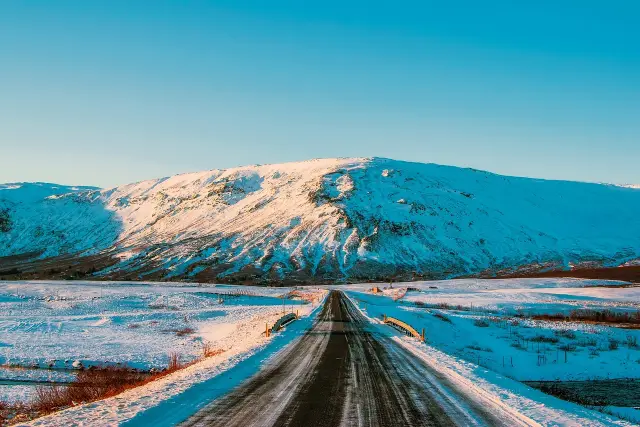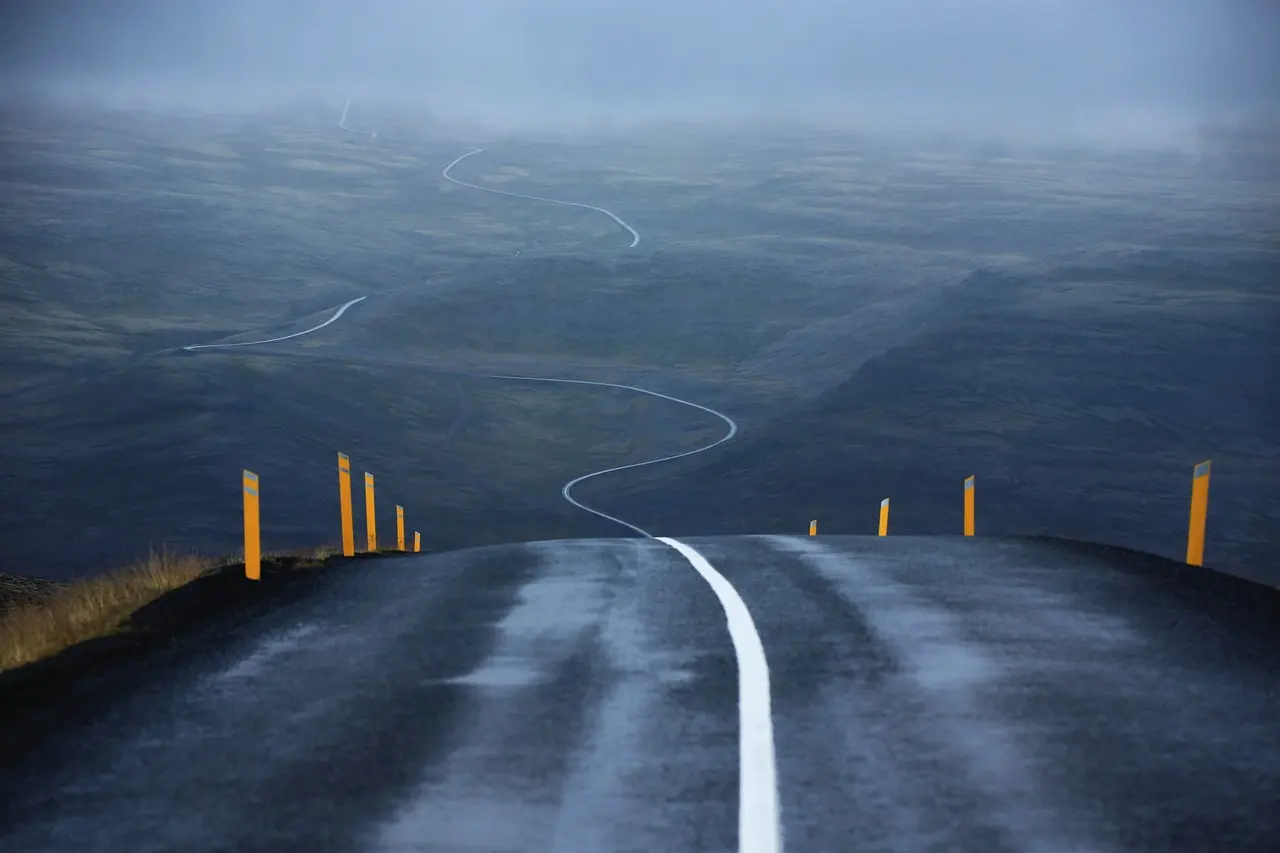
Driving in Iceland during winter requires great attention and extreme caution, as roads can be slippery and icy, or sometimes completely covered in snow.
Vehicles driven during winter in Iceland must be four-wheel drive only, and speed limits vary by area: in urban areas, the speed limit is 50 km/h, while on paved rural roads, the speed limit is 90 km/h, and on unpaved rural roads, the speed limit is 80 km/h. Additionally, driving in Iceland prohibits using a mobile phone while driving, and seat belts must be fastened at all times while on the road. Icelandic law also requires headlights to be turned on at all times, whether day or night.
And another prohibition especially for tourists is never stop in the middle of the road. This behavior is seen quite often because travelers want to stop and take photos of natural scenery or wildlife spotted along the way. This behavior can lead to road accidents, so stopping in the middle of the road is prohibited; you should find a suitable place to park along the way to prevent accidents and avoid inconveniencing other road users. Always drive with great care and prudence.
As for driving in Iceland during the off-season, you should definitely allow extra travel time, as you might arrive at your destination later than planned due to slippery, snow-covered roads. It is advisable to inform your accommodation of where you are traveling and which routes you are taking. In case of an emergency on the road, such as heavy snow that makes the road impassable, the hotel can help contact and arrange assistance. You should also check the weather in Iceland regularly, as the weather is quite unpredictable.
As for traffic signs in Iceland, there are some symbols that Thai travelers might not be very familiar with, but you will often see them in Iceland: namely, the Single-lane Bridge sign. When seeing this sign, drivers must slow down and yield to other road users who arrive at the bridge first, allowing them to pass first, as vehicles cannot pass each other on this route. Therefore, drivers must be extremely careful when using routes with this sign, and show courtesy to other road users as well. You should also be careful to park within your lane or find a suitable parking spot without obstructing the road, otherwise accidents may occur, as roads in Iceland are quite narrow with few road shoulders compared to other countries. Drivers must therefore be very careful and strictly follow traffic regulations.
Another type of road frequently found in Iceland is the Blindhaed or Blind Rise road, which is characterized by sharp crests meeting and is smaller than the Ring Road. This type of road is commonly found in Iceland but rarely in other countries. This means drivers in Iceland must be extremely careful, as you cannot see other oncoming vehicles driving up the crest from the opposite side. Drivers therefore need to slow down, reduce driving speed, and be extra cautious when traveling on this type of road.
However, if anyone is worried about driving on their own in Iceland, See You Again also offers a car with a professional driver in Iceland.
If you are interested in renting a car with a driver, feel free to contact See You Again.
You can check which routes are closed or should be avoided from this website:
- https://safe.is/driving-conditions/
- http://www.road.is/ You can also check road conditions via webcams at each location in Iceland on this website.
Driving yourself? Book the car here
Compare many rental companies on one page; check the insurance and one-way fees before you book
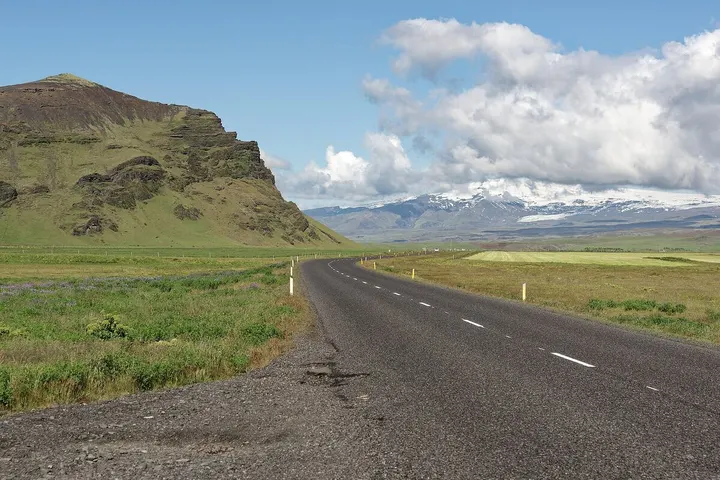
Partner links · we may earn a small commission when you book, your price stays the same
Planning it yourself?
What independent travellers usually book before they go, from providers that actually work
Thai language, pay in baht
Popular with Thai travellers, Thai-language pages
Museum and landmark tickets, ready on your phone
Hotels near the station and old town, many with free cancellation
Partner links · we may earn a small commission when you book, your price stays the same
Let Rin design a trip for your group