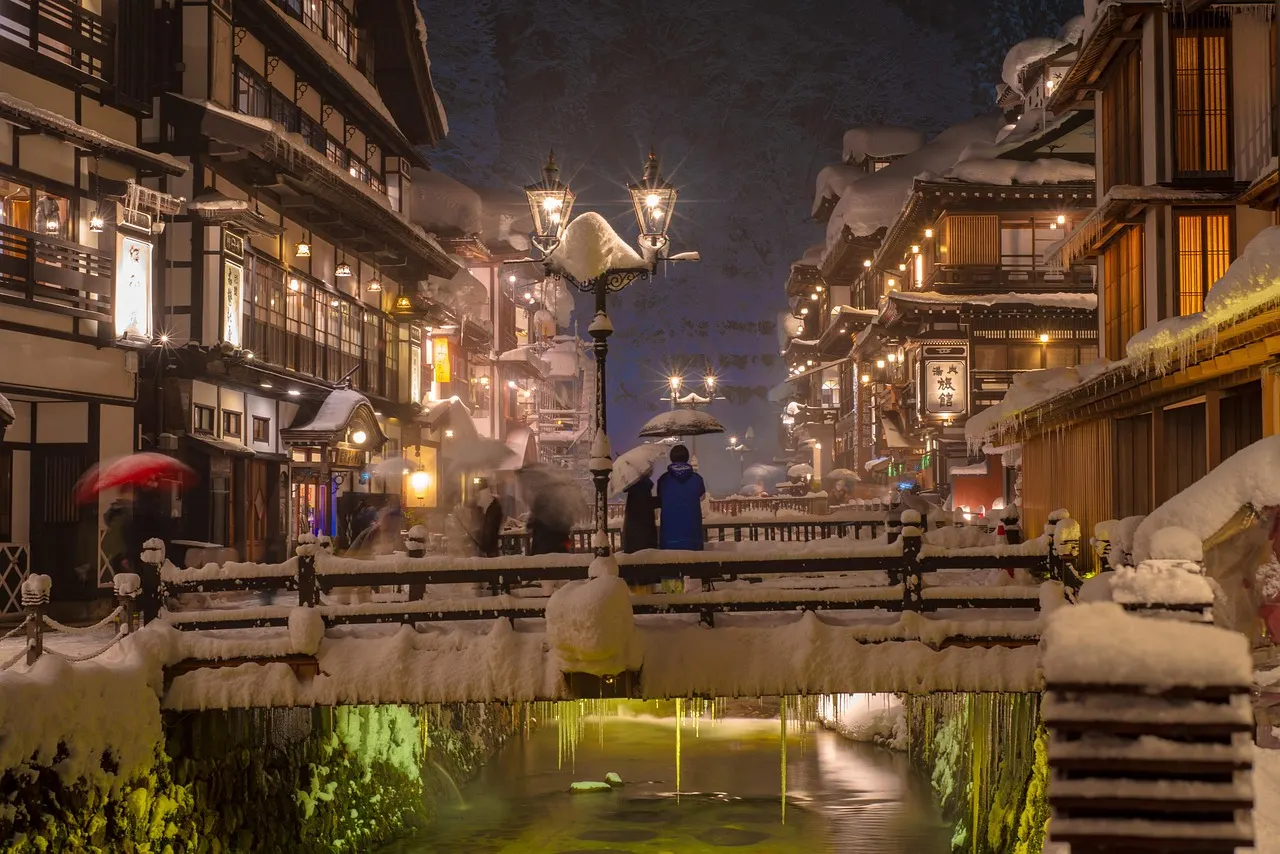
Traveling in Japan not only offers visits to historic temples and immersion in the local atmosphere, but ending the day with a warm onsen soak to relieve fatigue and enjoying delicious Japanese cuisine makes for a truly complete vacation. However, using onsen in Japan involves strict basic etiquette to maintain cleanliness and public peace. As for dining, there are tasty traditions to enjoy after your bath as well as famous regional specialties to round out your trip perfectly.
1. Rules and Etiquette for Using Onsen in Japan
Important Precautions Before Visiting
- Tattoos: Most public onsen in Japan have rules prohibiting guests with tattoos in communal baths. For small tattoos, some facilities allow you to cover them completely with a tattoo cover seal (available for purchase at the front desk), or recommend booking a private onsen (Private Onsen / Kashikiri) instead.
- Onsen baths vs. spa zones: Traditional onsen baths require you to be completely naked (no swimwear allowed) and are separated by gender. However, some resort-style onsen may offer both gender-separated hot spring zones and shared spa pool zones where swimwear is required.
- No mobile phones or cameras: Mobile phones and cameras are strictly prohibited in changing rooms and hot spring bathing areas.
- Physical conditions to avoid: Avoid soaking in an onsen immediately after drinking alcohol, or while having a high fever, open wounds, or during menstruation, for public health and safety.
Proper Steps for Using Onsen
- Store belongings and undress: Place your shoes in the shoe lockers at the entrance, then proceed to the changing room to undress completely. Place your clothes in a basket or locker, taking only a small towel with you (keep your large bath towel in the locker).
- Wash your body before entering the bath: Sit on the provided low stool to shower and wash your hair thoroughly before entering the water. Be careful not to splash shower water onto those around you, and rinse all soap suds completely off your body.
- Tie up your hair: Guests with long hair must tie it up or use a shower cap so that the ends of your hair do not dip into the mineral water.
- Do not put towels in the water: While soaking, fold your small towel and place it on your head or set it by the edge of the bath; never submerge it in the water.
- Soak quietly: Step into the bath gently. Do not jump, swim, or speak loudly.
- Dry off before returning to the changing room: Once finished soaking, wring out your small towel and wipe excess water off your body before stepping back into the changing room to keep the floor dry and prevent slipping.
Tips for a Relaxing Soak for Beginners
- Adjust body temperature before entering the bath: Ladle mineral water from the bath and pour it over yourself from your feet, legs, arms, and torso (Kake-yu) to help your body adapt to the heat and prevent dizziness.
- Do not soak for too long at a time: We recommend soaking for about 10–15 minutes per session, then taking a break by sitting by the bath or drinking water before soaking again. If you start feeling dizzy or your heart beats fast, get out of the water immediately.
- No need to rinse off after soaking: Natural onsen mineral water is rich in minerals that nourish the skin. After soaking, simply pat yourself dry with a towel, and you can get dressed right away.
2. Delicious Post-Onsen Traditions & Must-Try Local Dishes
Go-To Drinks and Snacks After Getting Out of the Bath
- Cold bottled milk (Bin Gyunyu): A popular Japanese tradition after soaking in an onsen is buying plain milk, coffee milk, or fruit milk from a vending machine in front of the bathhouse, standing with one hand on your hip, and drinking the whole bottle in one go to refresh yourself and rehydrate.
- Soft-serve ice cream and cold drinks: Help cool down the body nicely after soaking in warm mineral water.
Popular Japanese Dishes After Relaxing
- Fresh seafood rice bowl (Kaisen-don): Fresh seasonal seafood served over warm Japanese rice, enjoyed with soy sauce and wasabi—a light and refreshing dinner.
- Traditional Japanese set meal (Teishoku): A complete meal set with a main dish, steamed rice, miso soup, and side dishes, providing just the right amount of energy after a warm soak.
- Grilled skewers and local street food: Stroll around and sample hot snacks or local sweets in nearby shopping areas for a memorable end to the day.
3. Checklist Before Visiting an Onsen
- Personal items: Prepare a hair tie (for long hair) and a small plastic bag for underwear or wet clothes. As for bath towels, soap, shampoo, and hair dryers, most onsens provide them or offer rental services at the counter.
- Small cash (100-yen coins): Very important for storage lockers, entrance ticket vending machines, and cold bottled milk vending machines after soaking.
Photo: Pixabay / JeromeNamsu (cover photo), Pixabay / DeltaWorks, Pixabay / pen_ash
Planning it yourself?
What independent travellers usually book before they go, from providers that actually work
Thai language, pay in baht
 Photo: PekePON · CC BY-SA 4.0 · Wikimedia Commons
Compare many rental companies on one page
Popular with Thai travellers, Thai-language pages
Museum and landmark tickets, ready on your phone
Hotels near the station and old town, many with free cancellation
Theme parks, rail passes and day trips, Thai-language pages
City hotels and onsen ryokan across Japan
One way from about 5,357 baht (Dec 2026)
Partner links · we may earn a small commission when you book, your price stays the same
Let Rin design a trip for your group