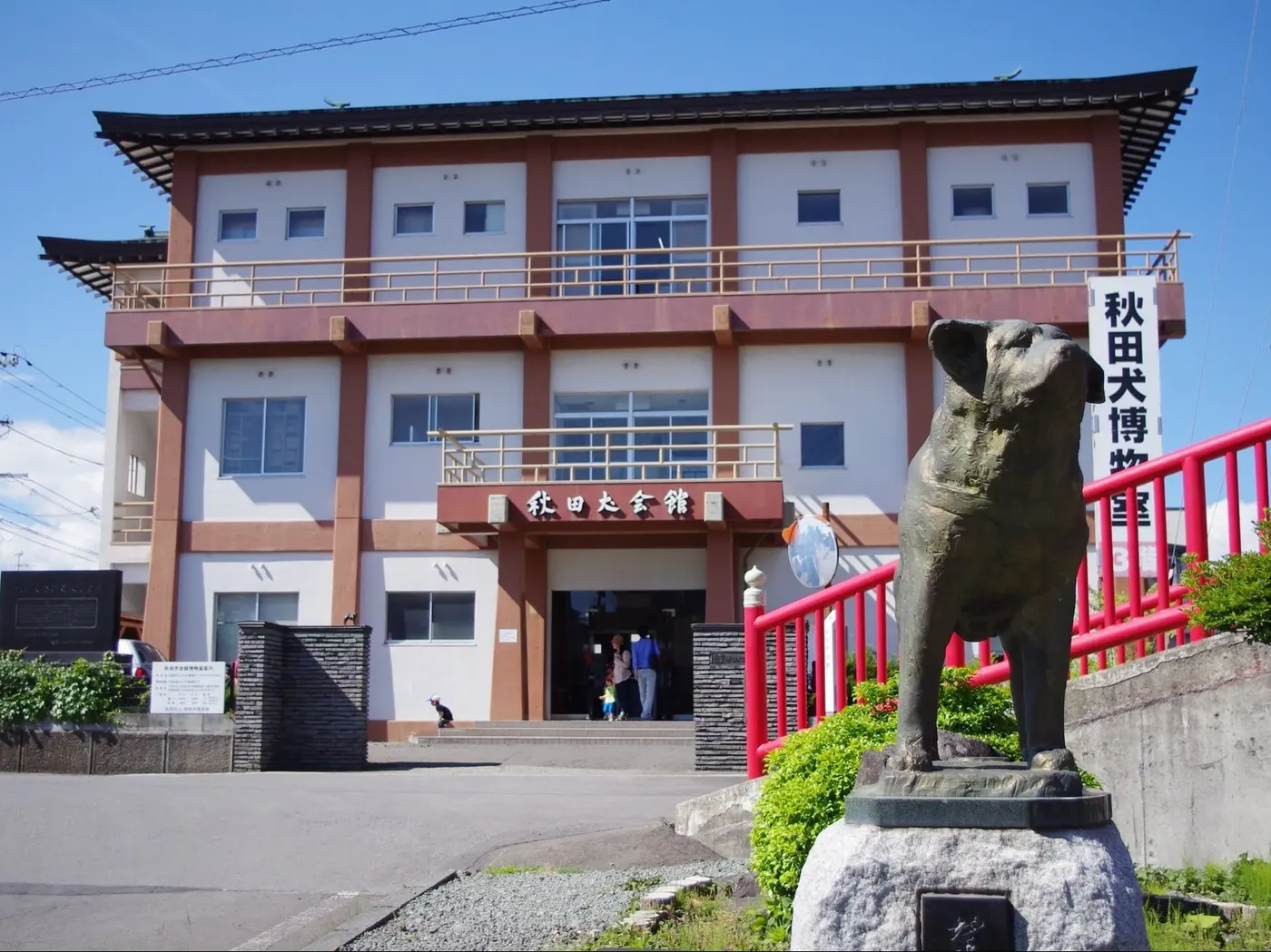
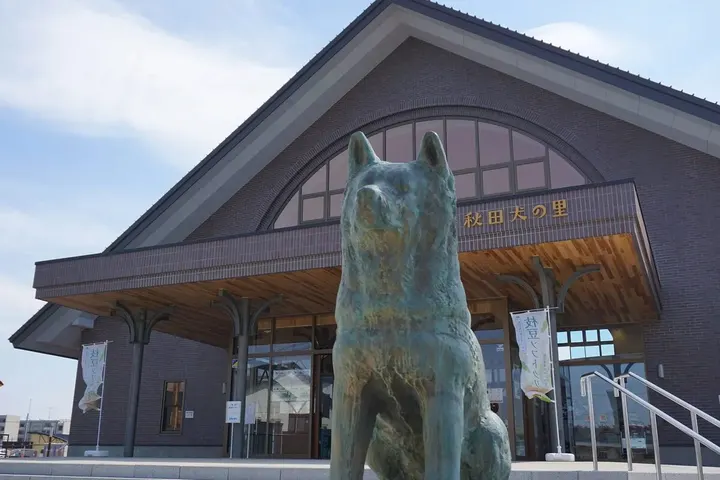
Visiting Akita: The city's name comes from the Akita dog breed, a world-famous breed that originated right here in Akita Prefecture. Designated as a National Natural Monument, this loyal breed has starred in several movies, and its loyalty and charm are cherished not just in Japan, but across the world.
Akita tours with See You Again focus on in-depth experiences and authentic culture, making them perfect for travelers who want more than just sightseeing. On our private tours, you can choose the activities or seasonal festivals you love, letting us craft a customized itinerary that fits your budget. Tell us your dream trip to Japan, and we'll take you there!
The charms of Akita you simply have to experience if you're a true Japan lover:
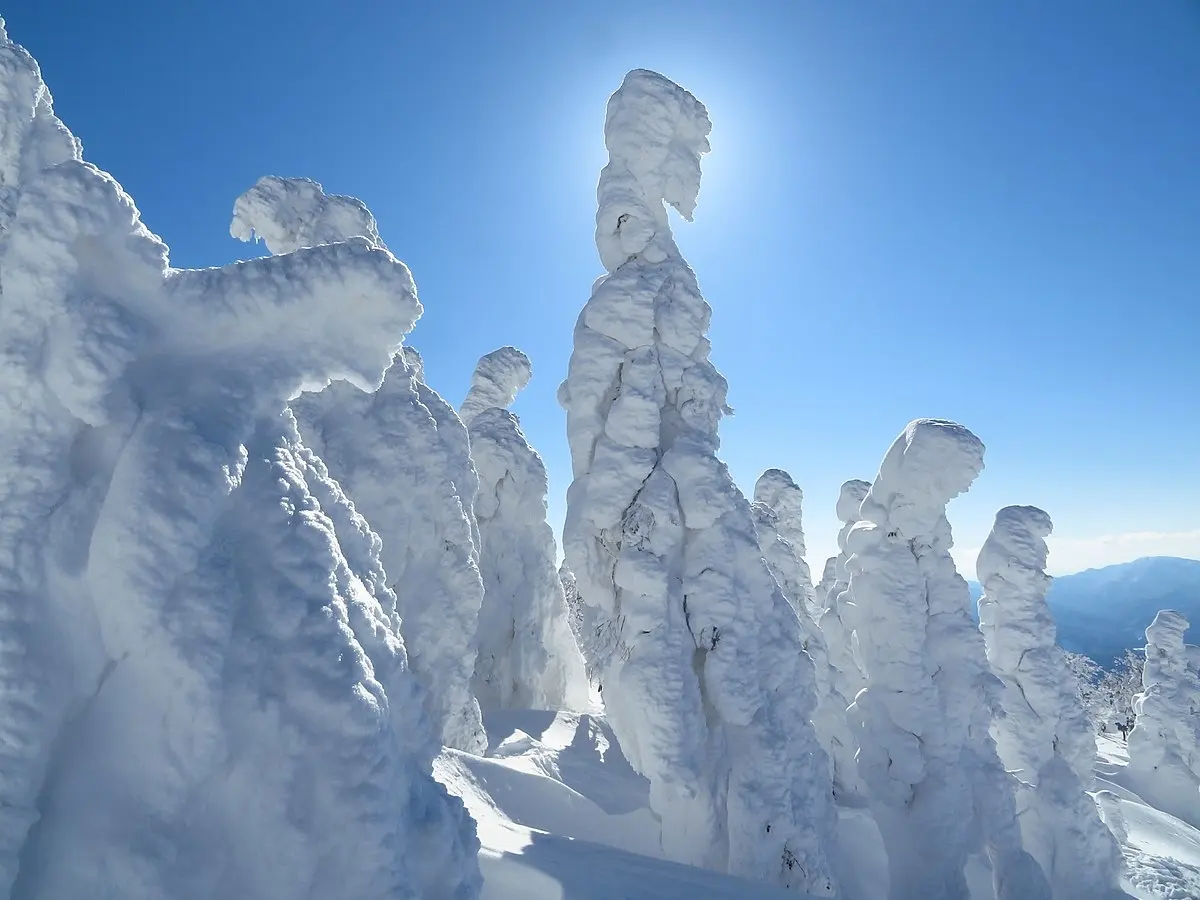
Snow Monsters of Mount Moriyoshi
One of Japan's three largest frost-covered forests (Juhyo), offering a breathtaking spectacle that is equally magnificent under the night lights. Take the gondola from Ani Ski Resort, followed by a short 5-minute walk to the summit, to marvel at these natural ice-sculpted trees.
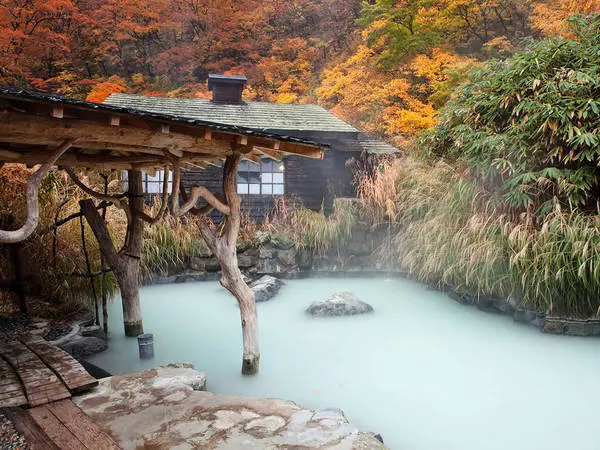
Nyuto Onsen Hot Spring Village
Nyuto Onsen refers to a cluster of seven distinct hot spring inns nestled at the foot of Mount Nyuto. Among them, Tsurunoyu is particularly famous as a hidden mountain retreat. Soaking here amid the falling snow is an unforgettable, truly authentic Japanese experience.
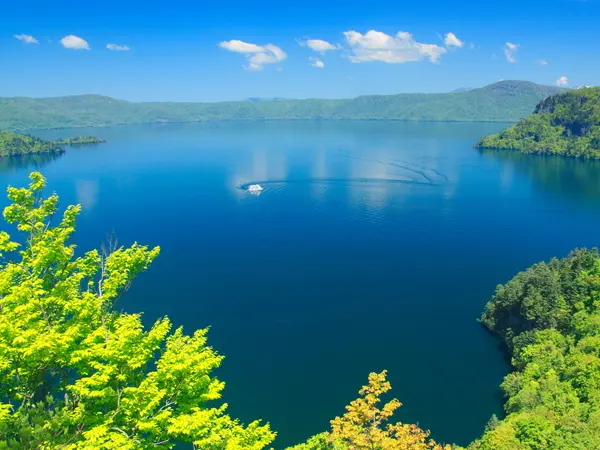
Lake Towada
A unique double-caldera lake straddling both Akita and Aomori Prefectures. Immerse yourself in the stunning seasonal scenery around the lake, which also plays host to the magical Lake Towada Winter Festival every year.
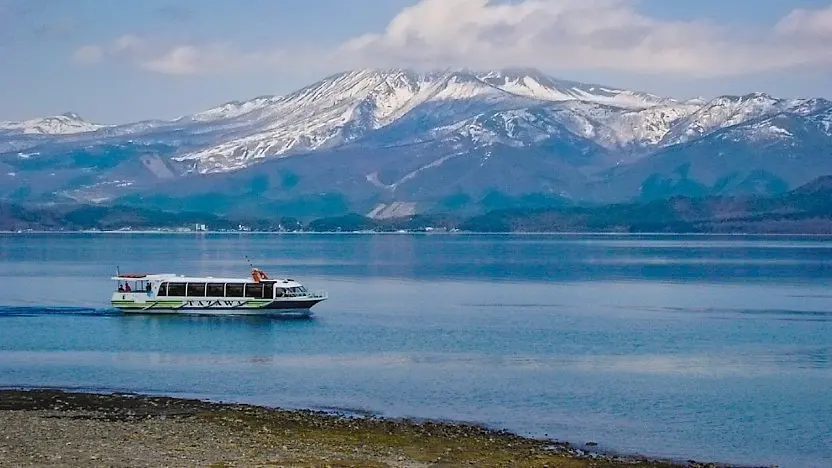
Lake Tazawa
The deepest lake in Japan, voted one of the 100 most scenic spots in the country. The lake's waters shift through mesmerizing shades of blue depending on the depth and sunlight. This enchanting lake is also renowned for the "Legend of Princess Tatsuko."
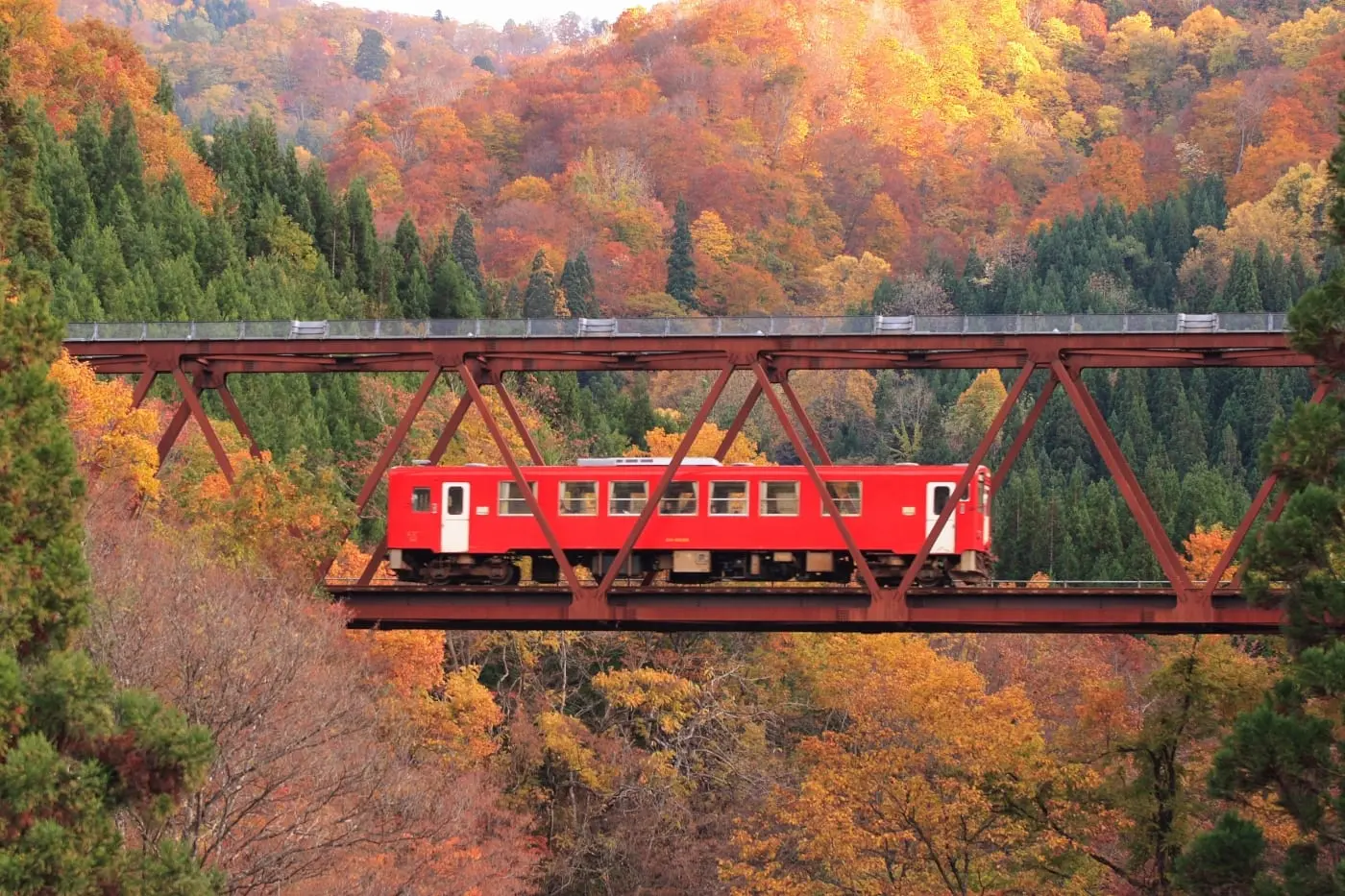
Akita Nairiku Scenic Railway
A 94.2 km local railway line running through the heart of Akita Prefecture from north to south. The train journeys through the inland countryside from Kakunodate, known as "Little Kyoto," passing through Aniai, the cradle of the Matagi hunter culture, to Takanosu, home to the world's largest Taiko drum.
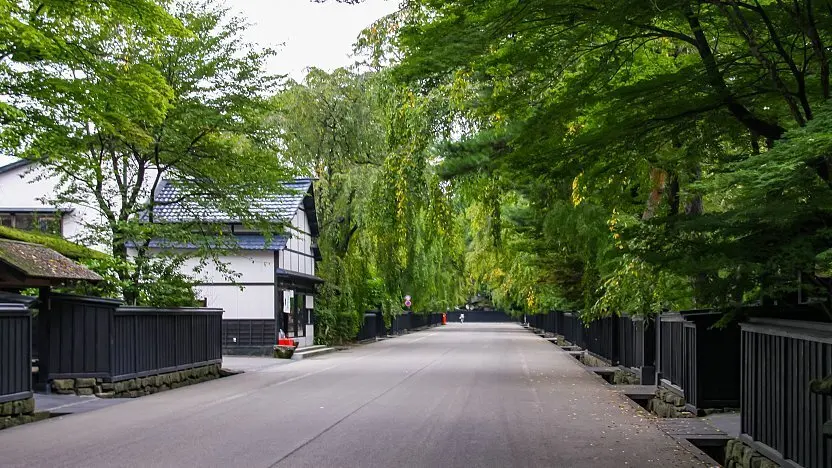
Kakunodate Samurai District
A historic samurai quarter that preserves the rich heritage of Kakunodate. The area is renowned for its weeping cherry blossoms and Yoshino cherry trees in spring, as well as vivid maple foliage in autumn. Its streets are especially enchanting when draped in snow, reminding visitors why it is affectionately called the "Little Kyoto of Michinoku."
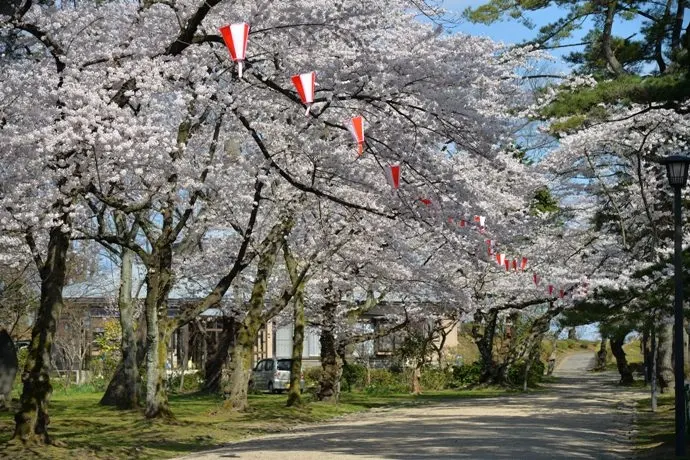
Senshu Park
A highly recommended spot near Akita Station to enjoy serene, snow-covered winter views. Built on the ruins of Kubota Castle, the park retains an authentic castle atmosphere with historical features such as the grand castle gate standing proudly on the grounds.
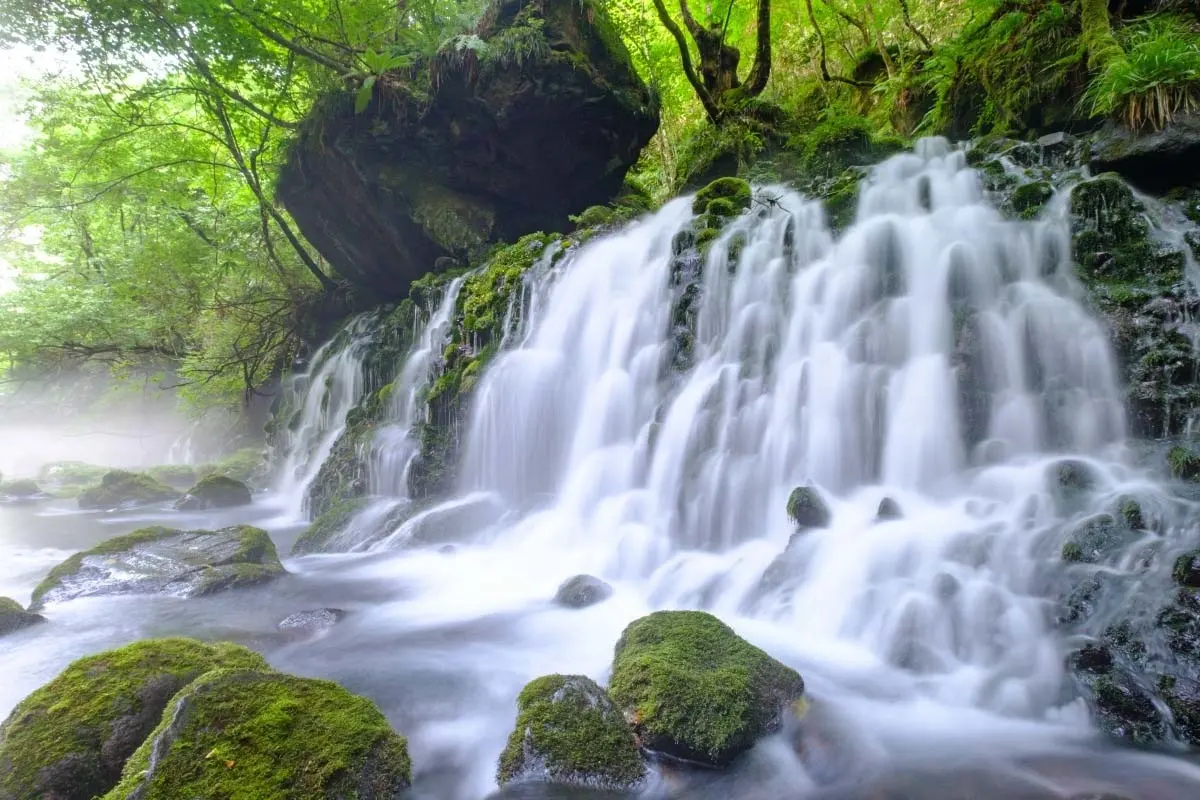
Mototaki Waterfall
Ranked among the top 100 waterfalls in Japan, Mototaki Waterfall transforms into a fairytale wonderland in winter when the surrounding landscape turns pure white with snow and ice.
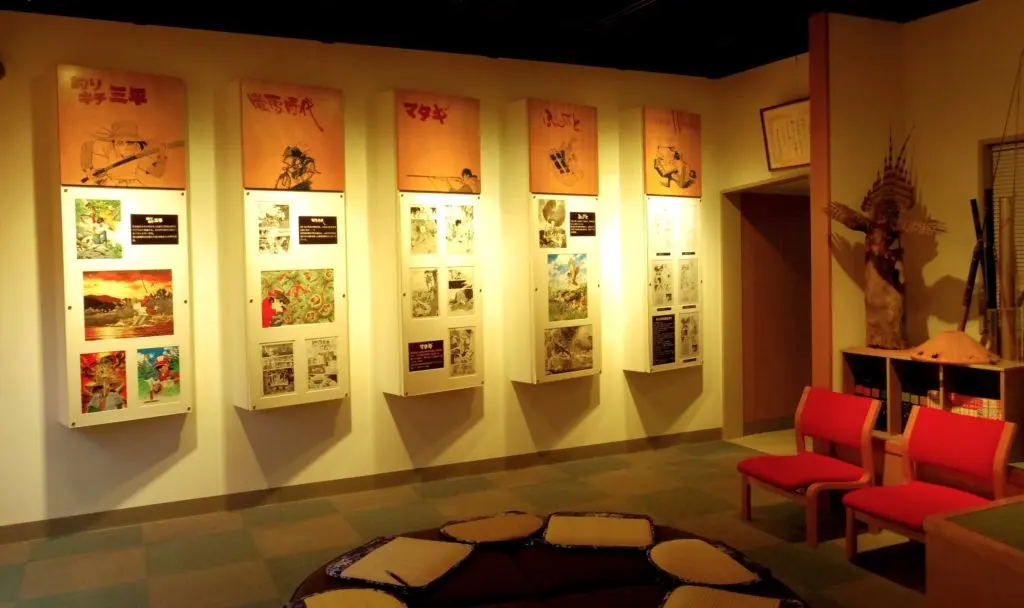
Yokote Masuda Manga Museum
A classic manga museum featuring original artwork, photographs, and personal memorabilia from prominent manga creators. The museum houses a vast collection of over 200,000 original manuscript pages—the largest in Japan.
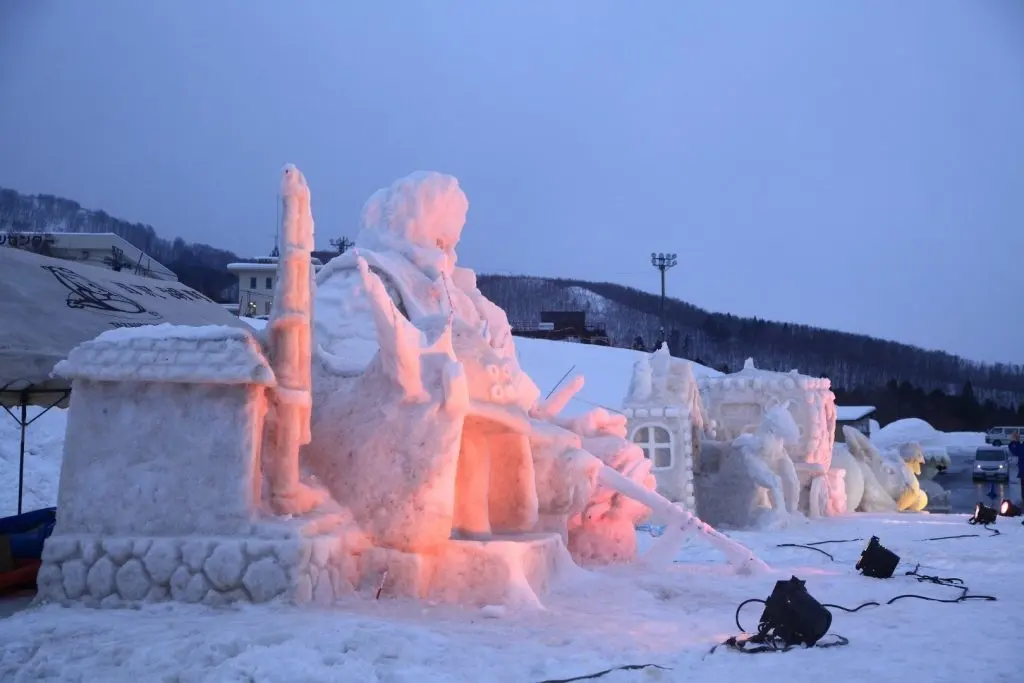
Tazawako Plateau Snow Festival
Held at Tazawako Ski Resort overlooking scenic Lake Tazawa, this winter festival features an array of exciting activities, including fire dances, snow igloos, and fireworks displays. At night, snow sculptures are beautifully illuminated, creating a magical atmosphere.
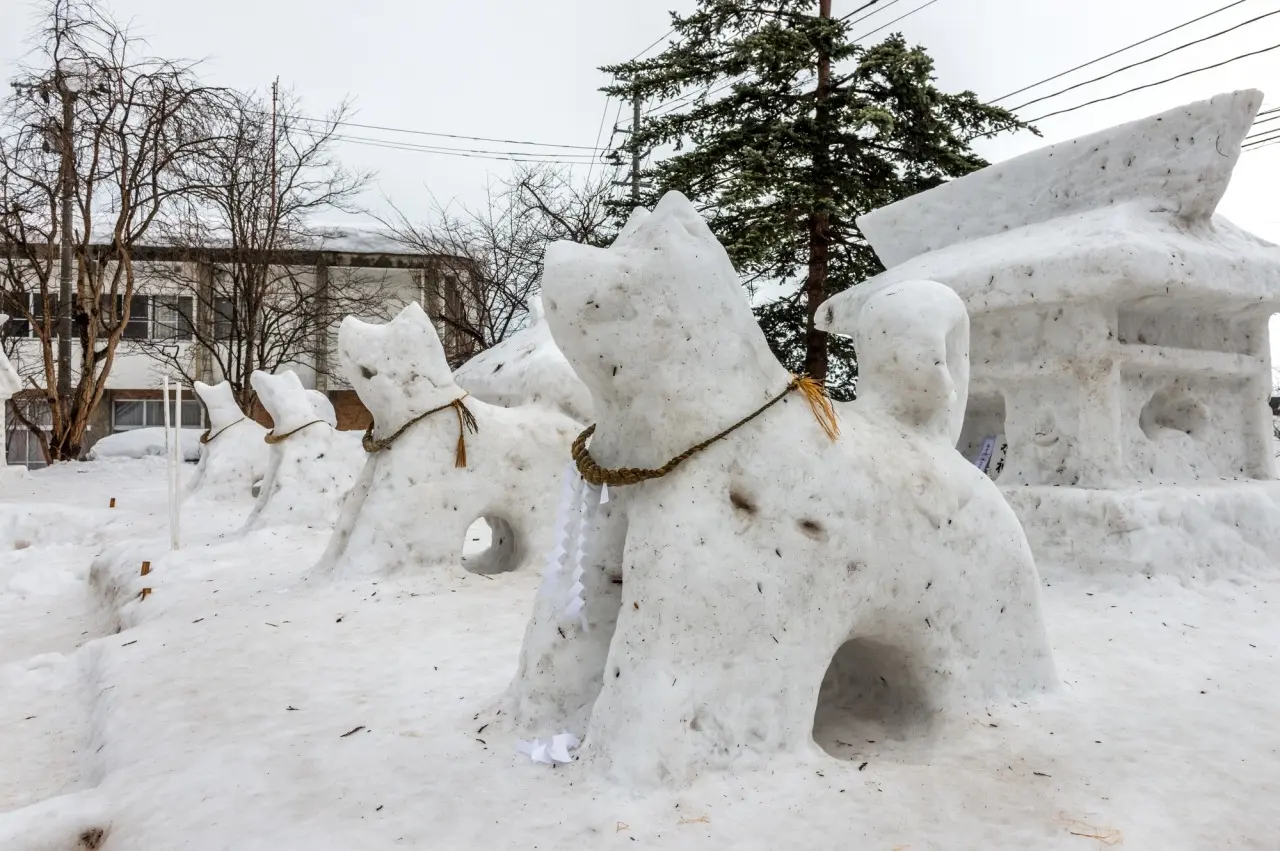
Inukko Dog Festival
A folk festival featuring small dog figurines made from rice flour, placed at doorways to ward off evil and burglars. In the evening, candles glow inside snow caves alongside illuminated snow sculptures of dogs.
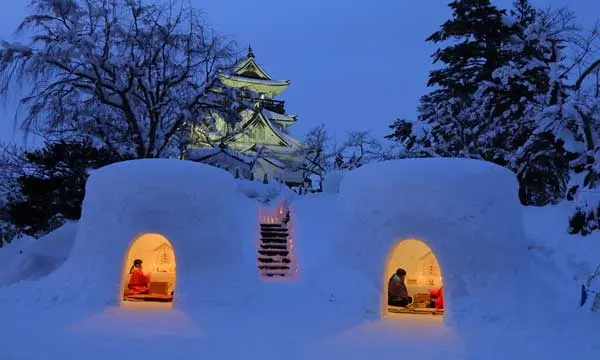
Yokote Kamakura Snow Festival
This traditional winter festival features kamakura (dome-shaped snow houses) with altars dedicated to the water deity. Inside, small charcoal braziers keep guests warm as rice cakes are toasted, and visitors are treated to sweet, warm amazake (sweet rice wine). At night, the glowing kamakura look like floating lanterns in the dark.
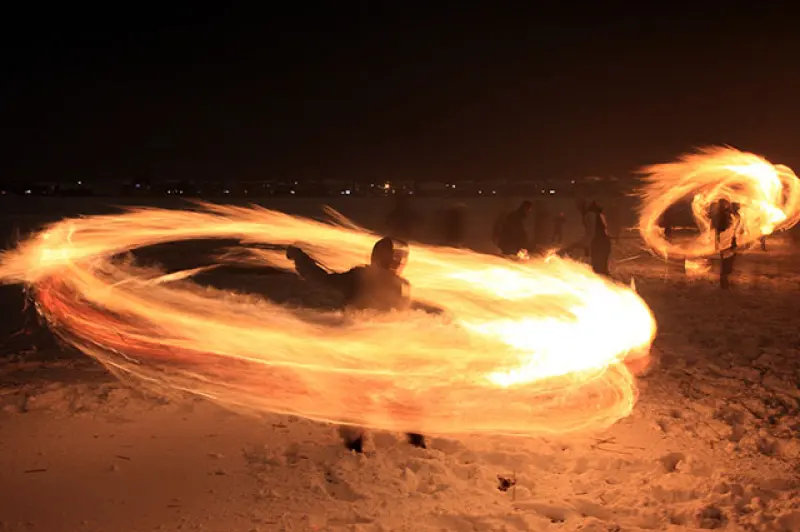
Hiburi Kamakura
An exciting festival featuring glowing circles of fire swung through the snow. Sacks of charcoal tied with ropes are ignited into roaring flames before being swung around participants' bodies.
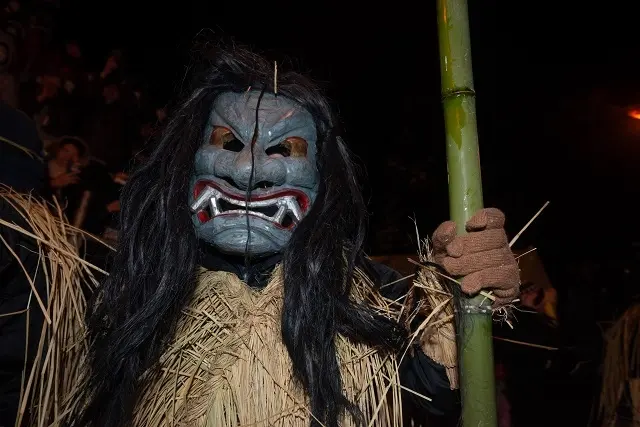
Namahage Sedo Festival
One of Michinoku's 5 major snow festivals, where the ferocious dance of the Namahage creates a thrilling, powerful atmosphere around the roaring Sedo bonfire at Shinzan Shrine.
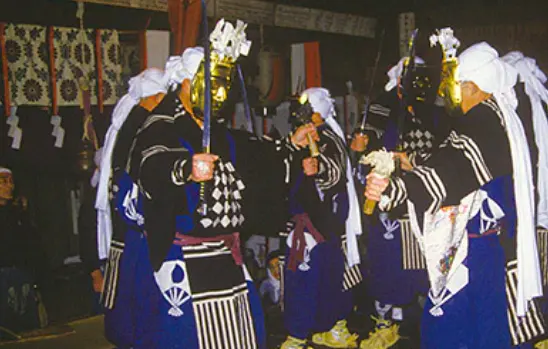
Dainichido Bugaku
A ritual dance and music tradition dating back over 1,300 years, inscribed as UNESCO Intangible Cultural Heritage. Dancers known as "Noshu" from 4 designated local communities gather at Dainichido on January 2 of each year to perform these dances.
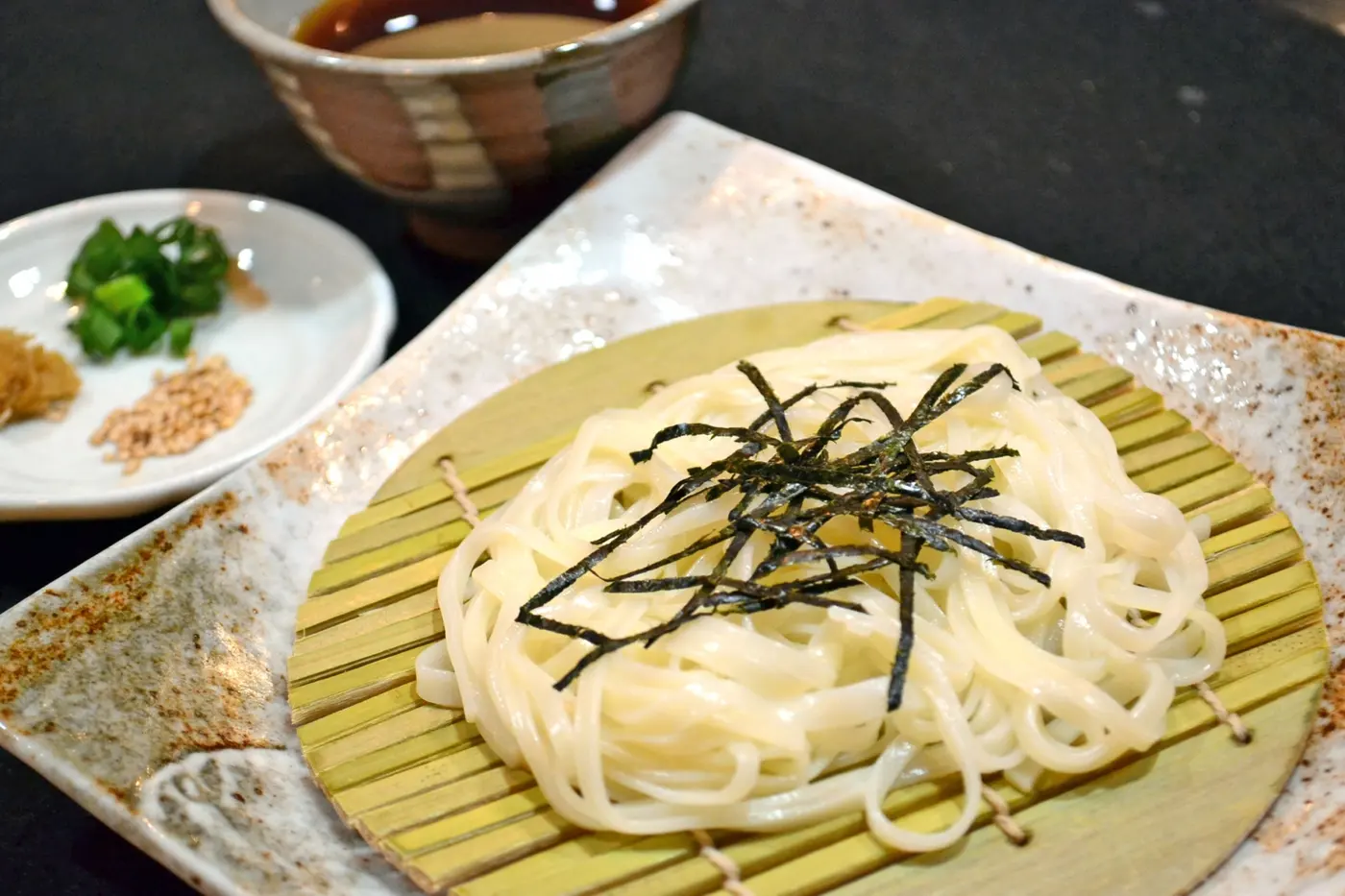
Inaniwa Udon
Inaniwa Udon is renowned as one of Japan's top three udon noodles, boasting a history spanning over 300 years. These noodles feature a silky-smooth texture, yet are thicker and springier than somen noodles.
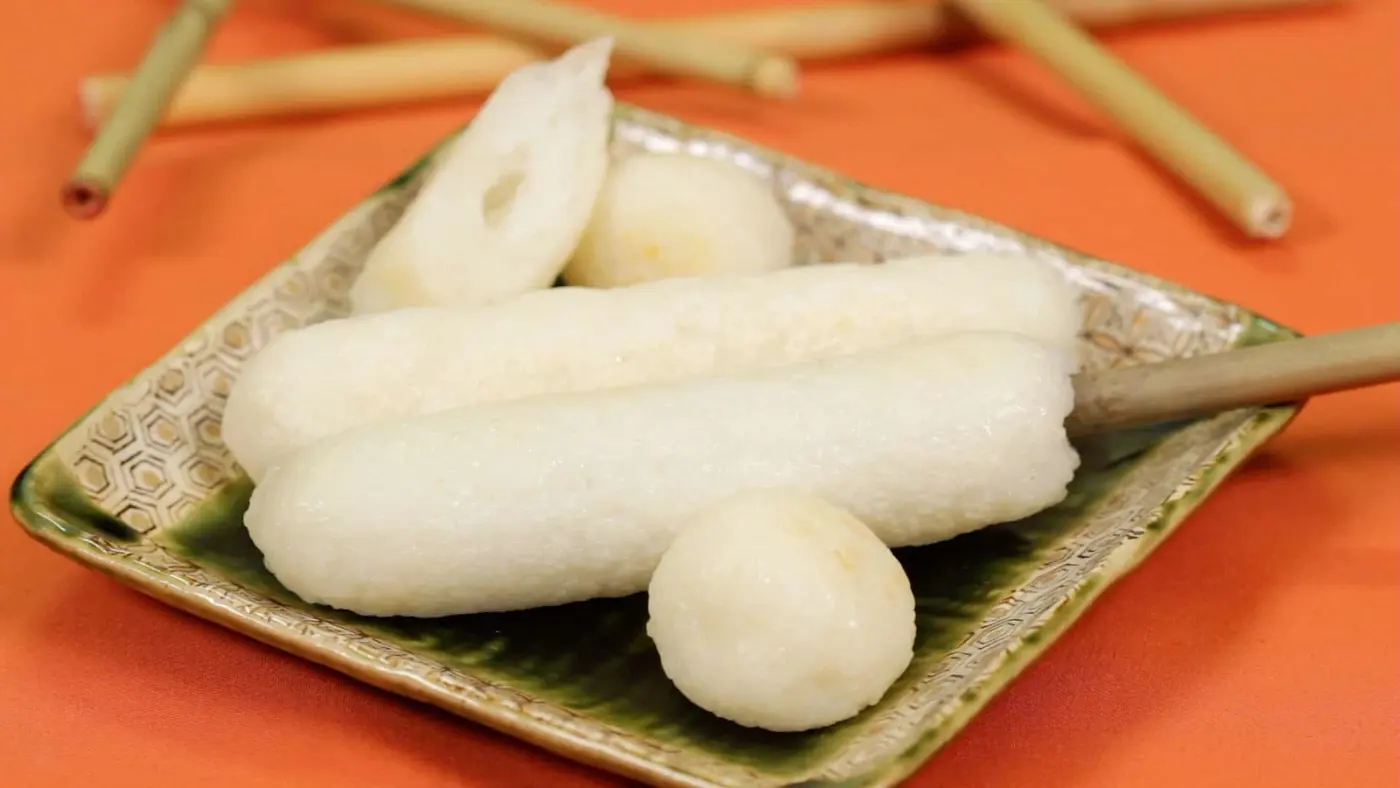
Kiritanpo
A classic local specialty of Akita Prefecture, freshly cooked rice is pounded and molded into cylinders around Japanese cedar skewers, then toasted over charcoal. It is typically enjoyed in hot pot dishes.
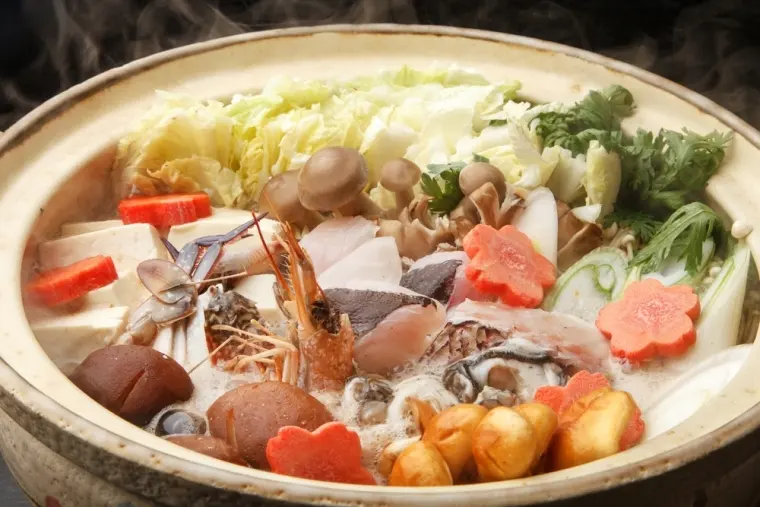
Ishiyaki Nabe Hot Pot
A famous hot pot dish born as a local recipe on the Oga Peninsula. Originally a versatile fisherman's meal, ingredients such as fresh seafood are placed in a wooden tub and cooked by dropping in stones heated up to 400°C.
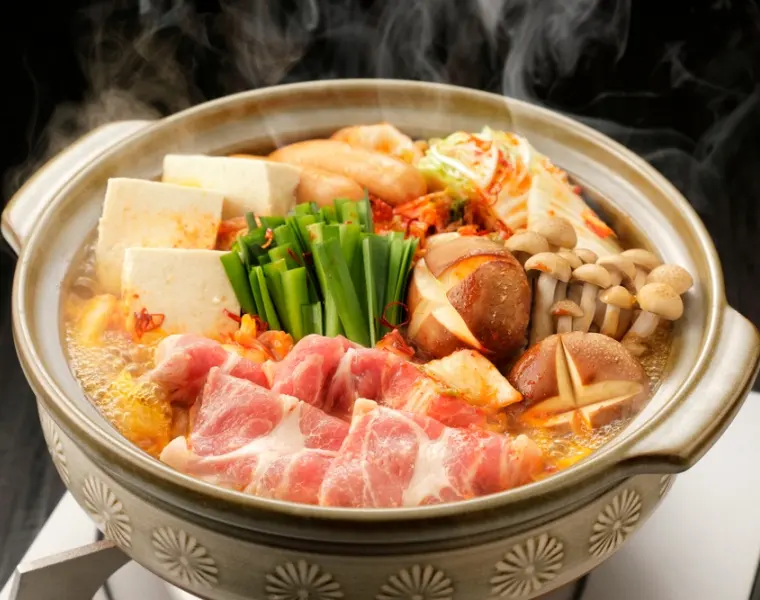
Shottsuru Nabe Hot Pot
A savory hot pot featuring shottsuru, a fish sauce made from hatahata (Japanese sandfish), with an umami profile akin to Thai fish sauce. Hatahata is Akita's iconic winter specialty, also delightfully enjoyed grilled or prepared as sushi.
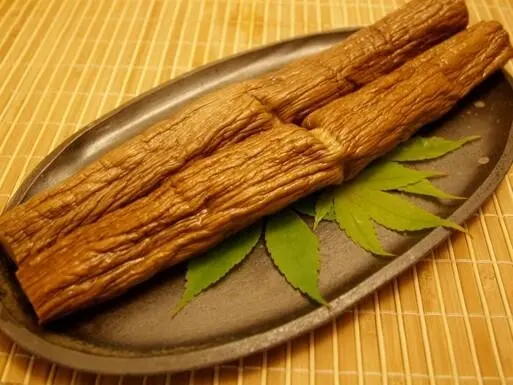
Iburi-gakko
A traditional smoked pickle from snowy Akita Prefecture, made by hanging daikon radishes above an open hearth fire (to keep them from freezing while drying) before pickling them in rice bran.
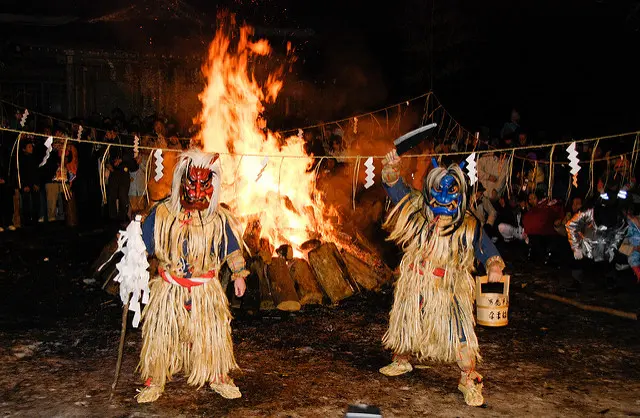
Namahage Taiko
Namahage Taiko originated from traditional performing arts on the Oga Peninsula, blending the legendary Namahage folklore with powerful Japanese taiko drumming. The live performance at Oga Onsen Village is truly breathtaking and spectacular.
Getting to Akita
1. By Air: Domestic flights to Akita Prefecture take around 1 hour and 30 minutes from Tokyo (Haneda Airport), Sapporo, Osaka, and Nagoya. Akita boasts two airports—Akita Airport and Odate-Noshiro Airport—making it exceptionally convenient to visit from anywhere (there are 5 daily flights from Bangkok to Haneda).
2. By Bus: You can ride the Akita Airport Liner directly from the airport straight to your destination without the hassle of changing trains!
3. By Train: Traveling by Shinkansen (bullet train) to Akita takes approximately 4 hours from Tokyo. The JR Pass is a wonderful option as it fully covers travel to Akita.
Looking to book flights to Akita? Fly with ANA.
Book your tickets here: https://www.ana.co.jp/th/th/japan-travel-planner/akita-winter-01/
Contact us for more details
Line : https://line.me/ti/p/~004207289999999
Tel : 083 035 9755 (Rin)
Planning it yourself?
What independent travellers usually book before they go, from providers that actually work

Thai language, pay in baht
 Photo: PekePON · CC BY-SA 4.0 · Wikimedia Commons
Compare many rental companies on one page
Museum and landmark tickets, ready on your phone
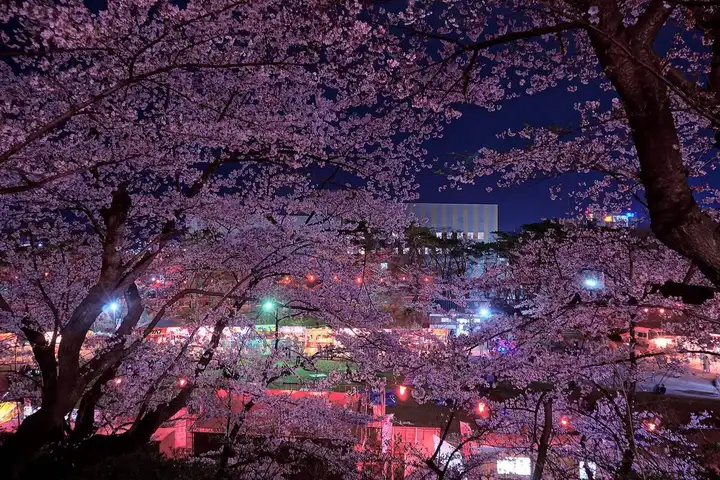 Photo: 掬茶 · CC BY-SA 4.0 · Wikimedia Commons
Hotels near the station and old town, many with free cancellation
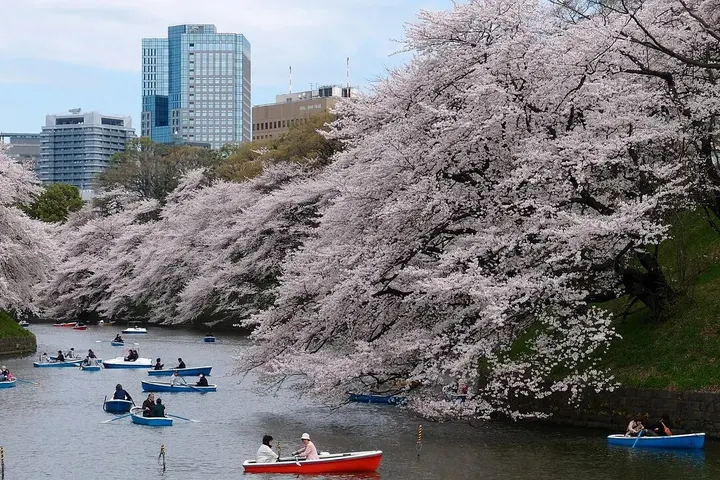
Theme parks, rail passes and day trips, Thai-language pages
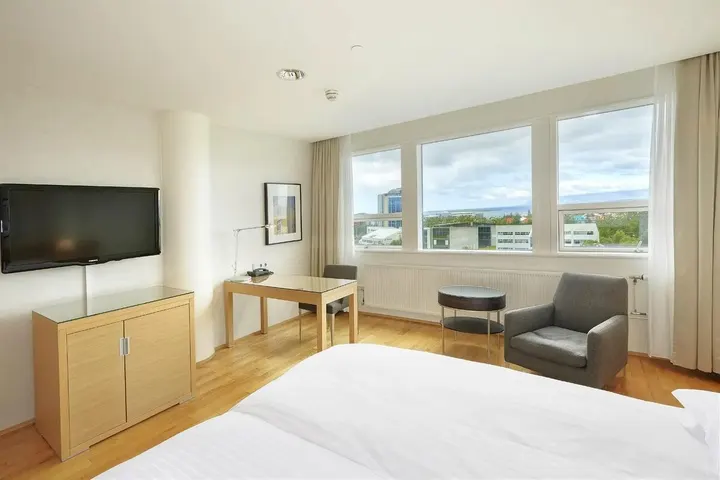
City hotels and onsen ryokan across Japan
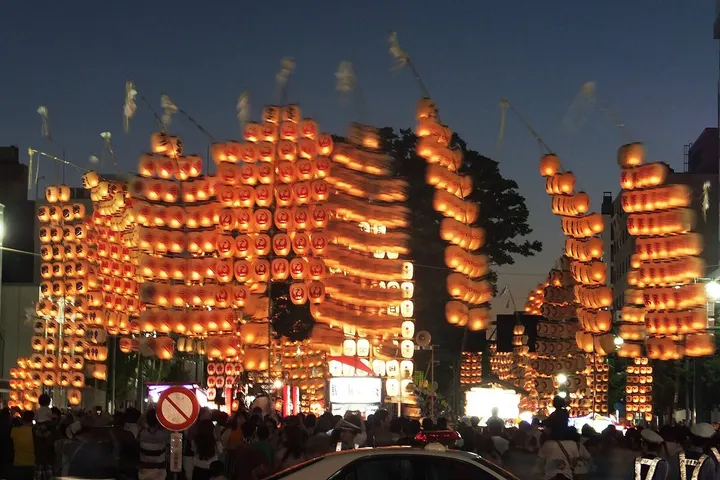 Photo: 掬茶 · CC BY-SA 4.0 · Wikimedia Commons
City tours with transport and guide, book ahead

One way from about 5,364 baht (Dec 2026)
Partner links · we may earn a small commission when you book, your price stays the same
Let Rin design a trip for your group