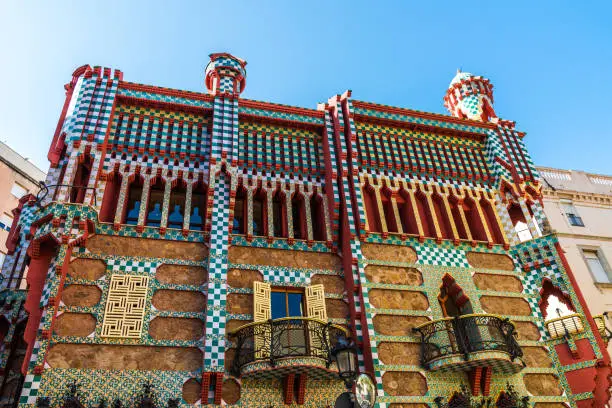
Things to know before traveling to Spain

Spain, officially known as the Kingdom of Spain, is located in southwestern Europe. It is one of the largest countries in Europe in terms of land area, featuring several popular tourist cities that many people are familiar with, such as Madrid and Barcelona. Spain also has a long, fascinating history and wonderful cultural heritage to visit, boasting the 3rd highest number of UNESCO World Heritage sites in the world.
Therefore, traveling to Spain is a great opportunity and experience to admire the beauty of this country and truly appreciate the charm of its World Heritage sites in a worthwhile, memorable way.
However, before traveling to any country, we should always learn the essential details about that destination, such as local regulations or cultural aspects where we should prepare or take special care.
1. Geography and Climate
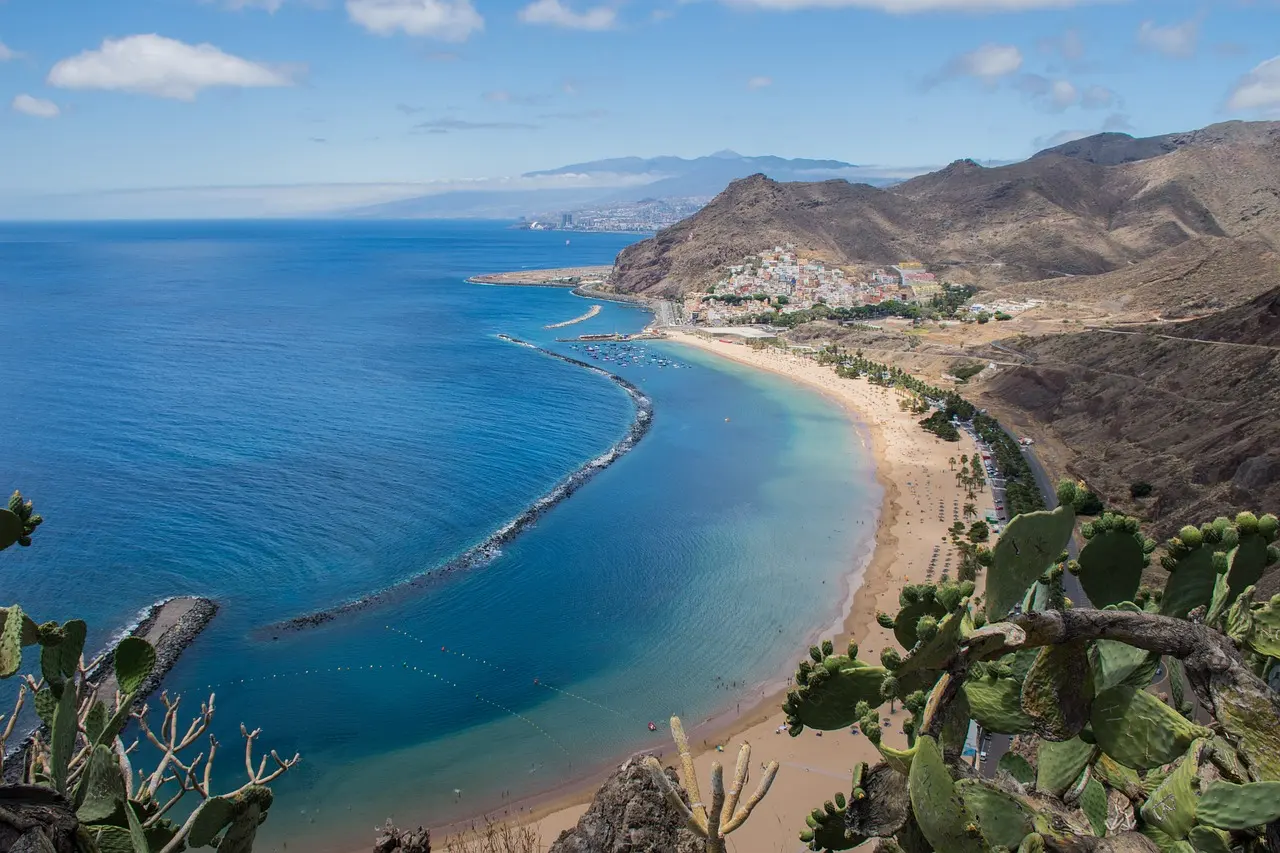
Spain spans a vast territory bordering multiple countries, along with several idyllic islands in the Mediterranean Sea. The northern region is mountainous and exposed to prevailing wind patterns, resulting in diverse climates. The north experiences an oceanic climate in a temperate zone, where winters are mild, summers are pleasantly cool, and rainfall is frequent. Meanwhile, the central and southern regions are relatively dry and hot during summer, with mild winters.
2. Time Zone

Central European Time (CET), UTC +1, which is 6 hours behind Thailand.
Daylight Saving Time (Central European Summer Time (CEST), UTC +2) begins around the end of March.
3. Language
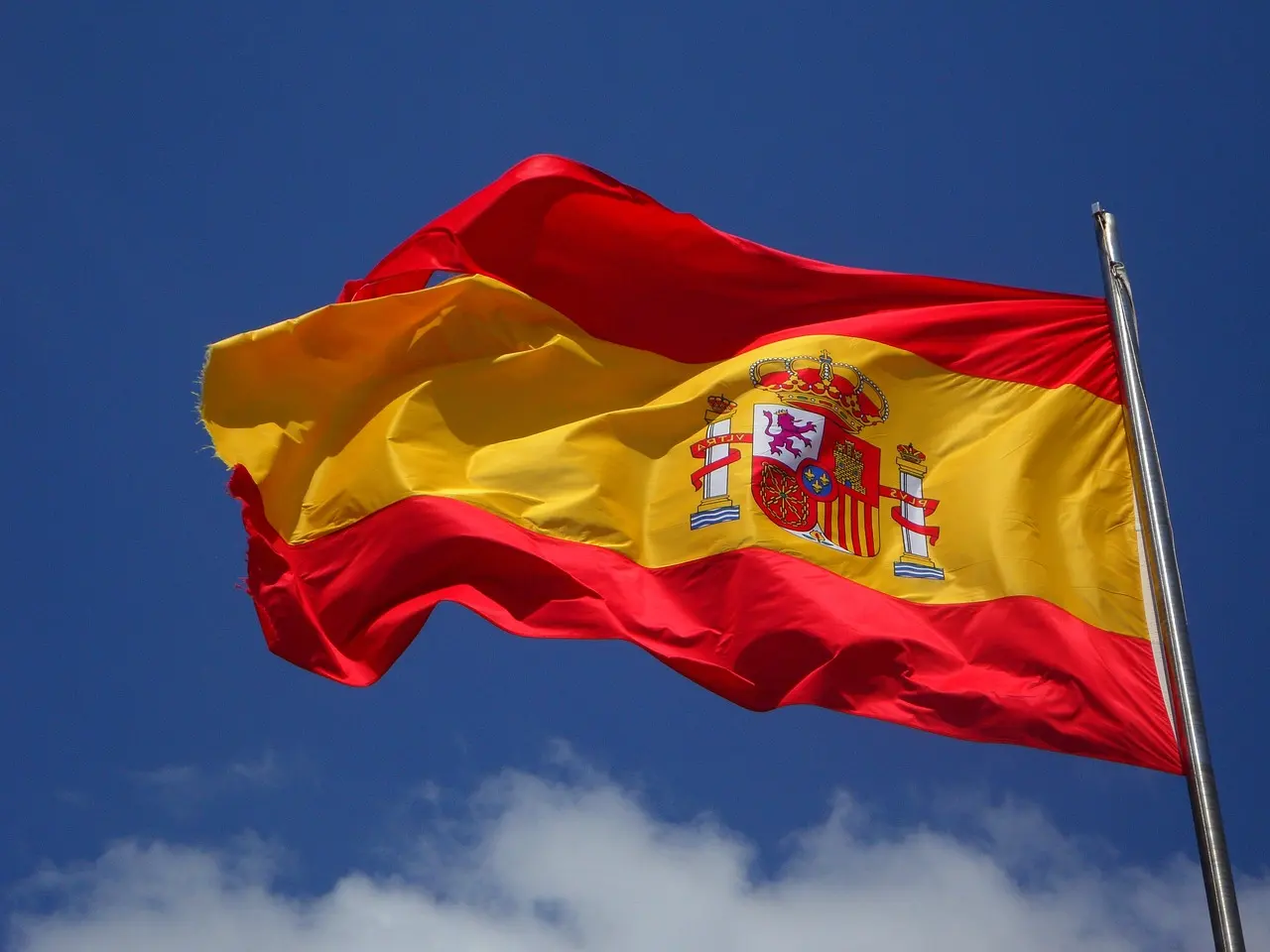
The official language of Spain is Spanish, but several other languages are also spoken across the country, including Catalan, Galician, Basque, Occitan, etc. In major tourist cities, people can speak English and German as well.
4. Currency Exchange
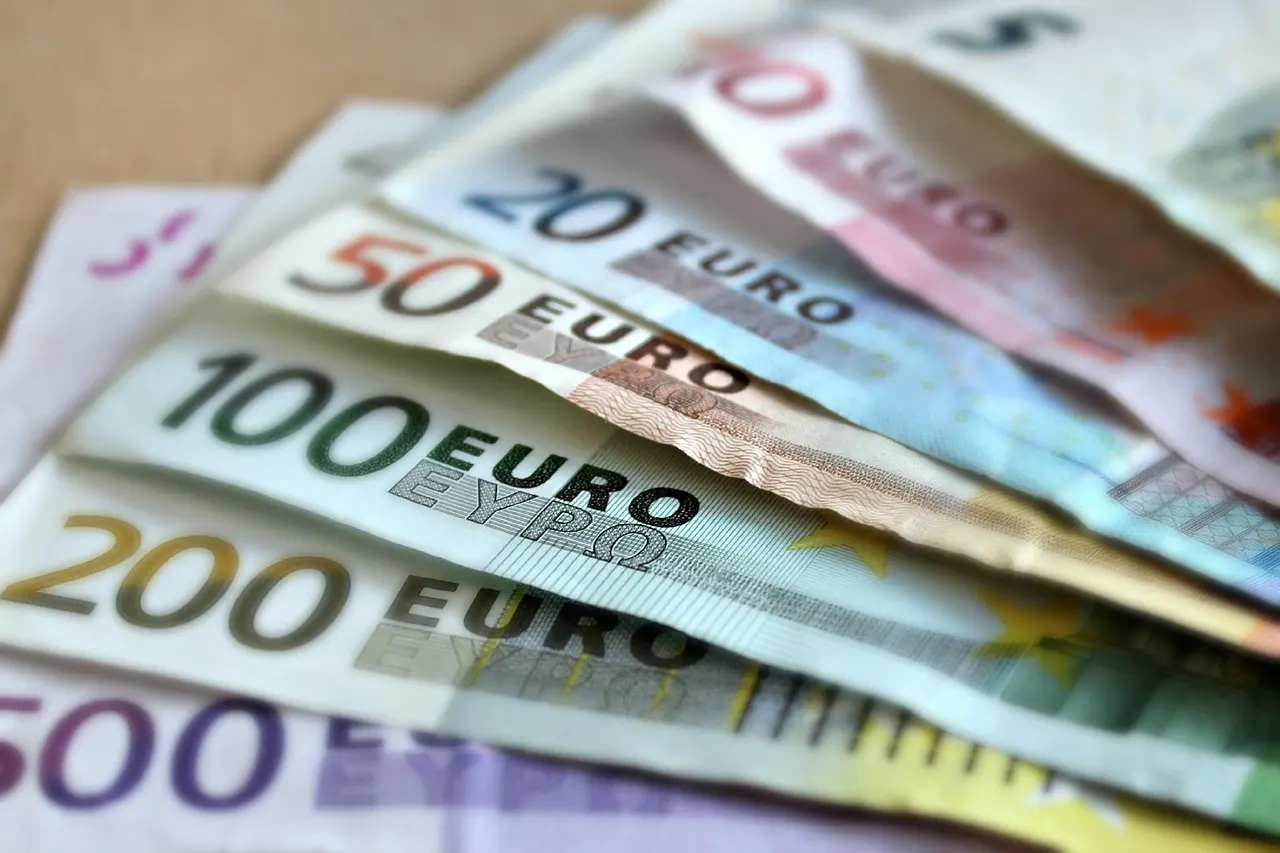
The currency used in Spain is the Euro. The exchange rate is approximately 36-40 THB per 1 Euro (depending on the value of the baht). If you haven't exchanged currency or only exchanged a small amount, credit cards are widely accepted.
5. Electrical Plugs
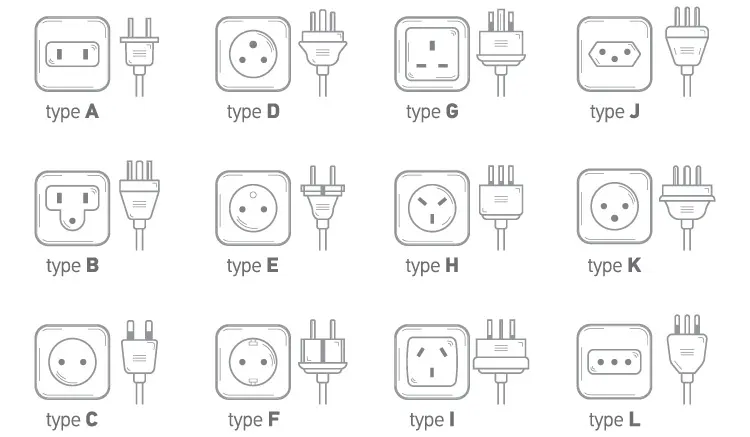
Electrical plugs in Spain are two-round-pin types (Type C and F) with 220V 50Hz. Standard round-pin plugs can be used, but carrying a travel adapter along is much more convenient.
6. Clothing and Dress Code
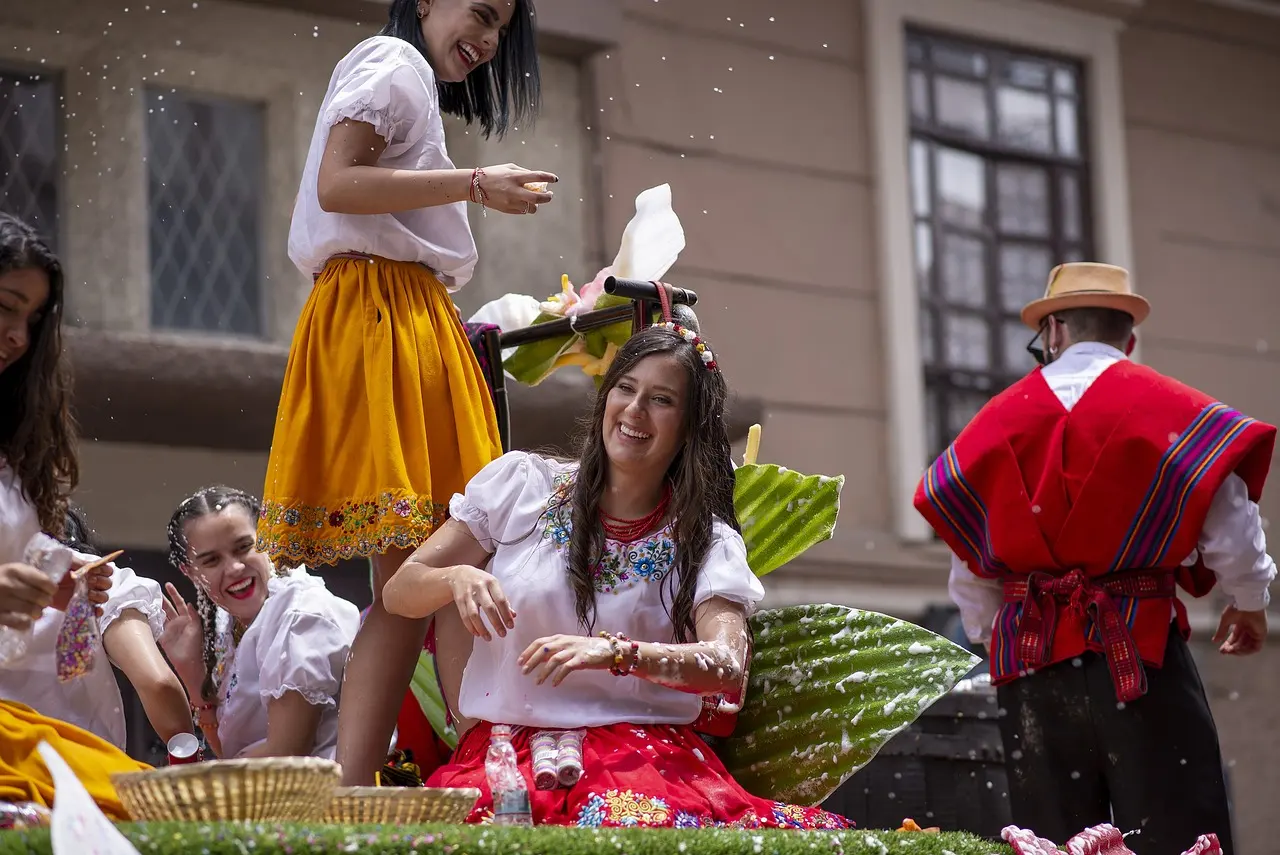
As for clothing and what to wear, we recommend preparing according to the season you will be traveling in.
Winter: December - February, average temperature 2-15 degrees Celsius. The weather is cold but usually not below freezing. You should pack a thick winter coat to keep warm. If you travel to the northern part of the country, it will be colder, so you should prepare more thermal wear (long johns) and winter gear. Some areas experience snow, so prepare snow-proof boots, gloves, and jackets as well. The central and southern regions will not be as cold as the north.
Spring: March - May, average temperature 10-21 degrees Celsius. The weather is relatively variable; it might be chilly at times and occasionally rainy. Check the weather forecast carefully and prepare both light jackets and rain gear.
Summer: June - August, average temperature 25-35 degrees Celsius. The weather is quite warm, similar to our home country. You can prepare a variety of summer clothes. Don't forget to pack sunscreen.
Autumn: September - November, average temperature 15-19 degrees Celsius. The weather during this period is pleasantly warm and mild for us, perfect for wearing a comfortable light jacket.
7. Local Food and Flavors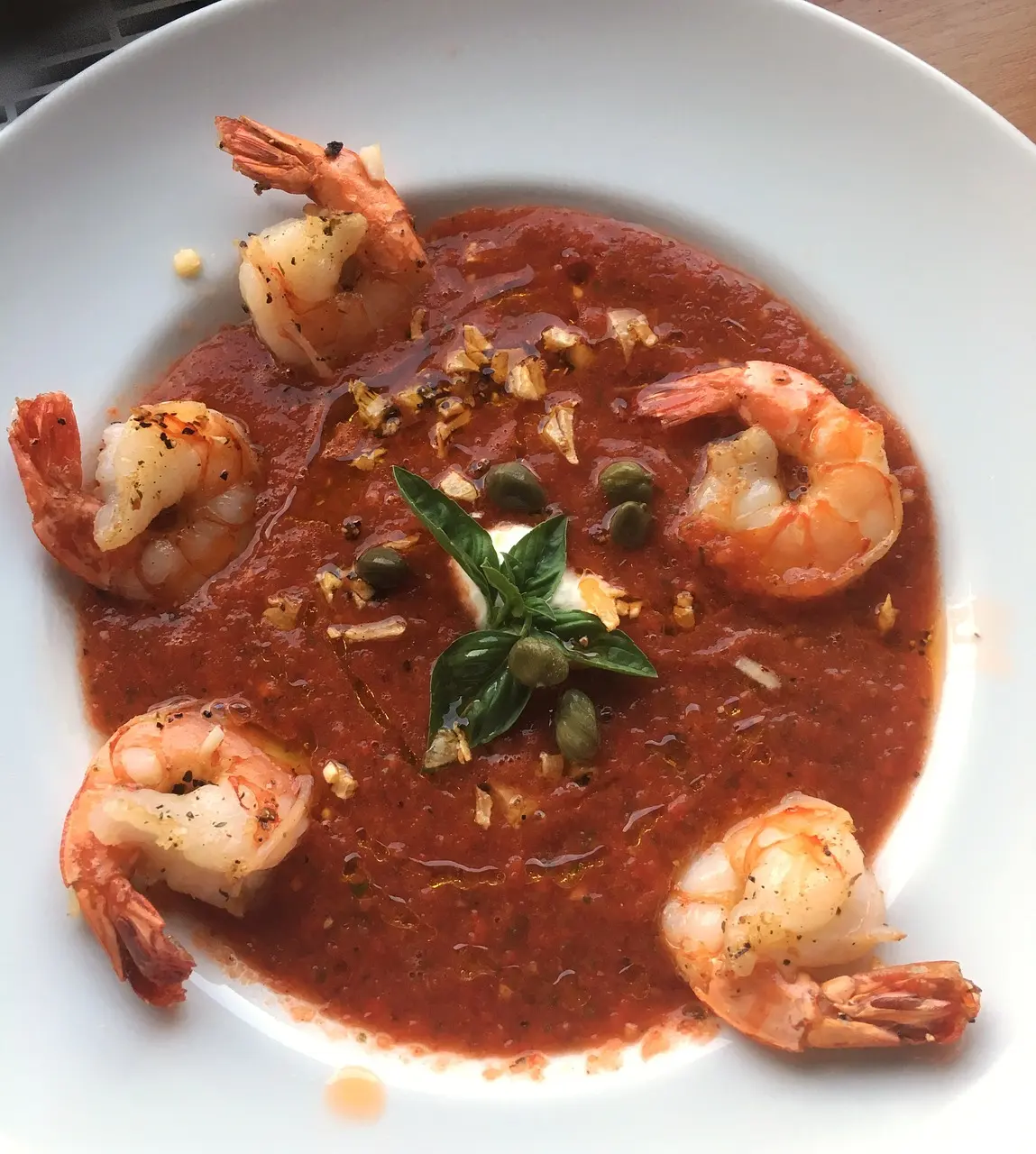
Thanks to cultural diversity across various regions in Spain, there are numerous styles of Spanish cuisine to taste, such as:
- Arroz Negro - Seafood fried rice cooked with squid ink
- Cocido - A hearty stew made with assorted meats and beans
- Chorizo - Flavorful, spiced pork sausage
- Chuletillas - Grilled lamb chops
- Gazpacho - Cold soup primarily made from bread and tomatoes
- Paella - Saffron-infused rice with meat or seafood and olive oil
- Pescaito Frito - Marinated, seasoned fried fish
- Turron - A traditional sweet nougat made with almonds and honey, typically eaten at Christmas
- Fideua - A Valencian noodle dish
- Sangria - Traditional wine punch
8. Getting Around in Spain
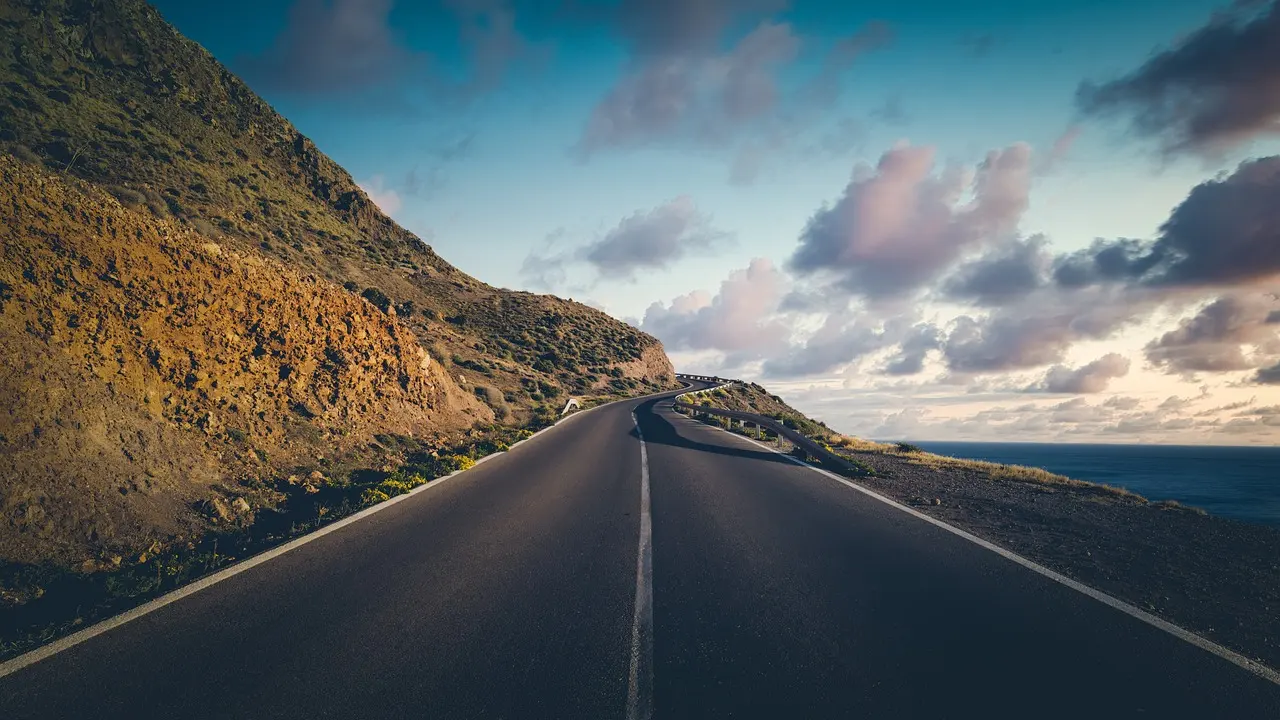
In Spain, especially in major cities and popular tourist destinations, public transportation is great and very safe. If you want to travel independently around Spain, we recommend getting the Madrid Tourist Travel Pass. It is an ideal pass for travelers, allowing you to easily get around Madrid on various modes of public transit, with options ranging from 1 day up to 7 days.
- Bus - Covers many areas, running every 5-10 minutes from 06.00-23.30.
- Metro stations - More than 200 stations across the city.
- Train - A total of 10 lines operating both inside the city and to outer suburbs.
Planning it yourself?
What independent travellers usually book before they go, from providers that actually work

Thai language, pay in baht
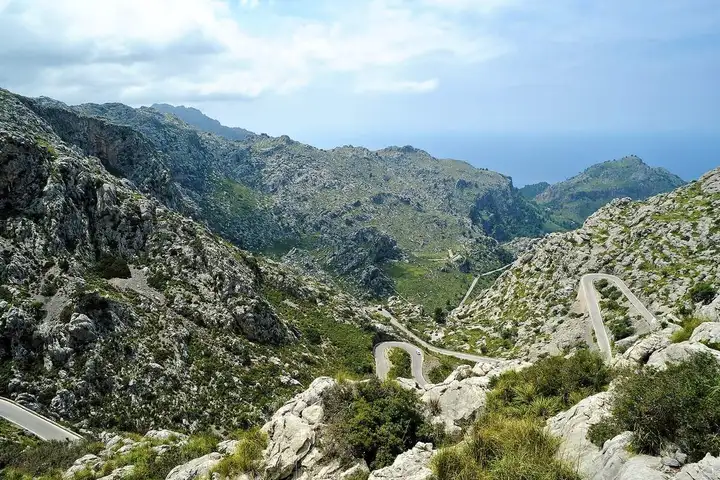 Photo: Geir Hval · CC BY-SA 4.0 · Wikimedia Commons
Compare many rental companies on one page
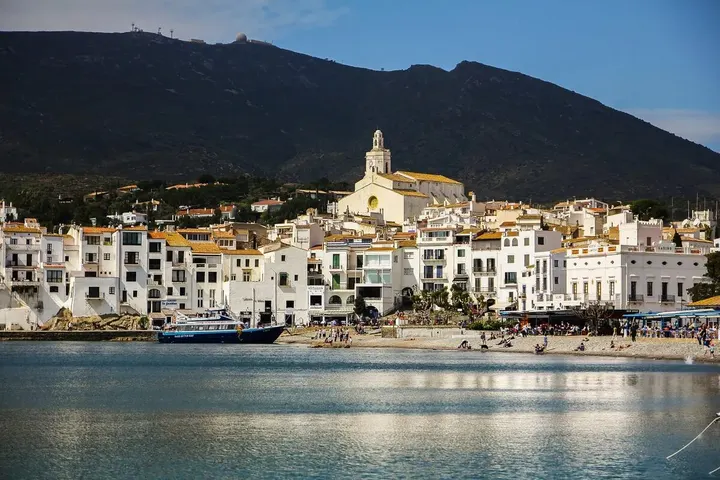
Popular with Thai travellers, Thai-language pages

Museum and landmark tickets, ready on your phone
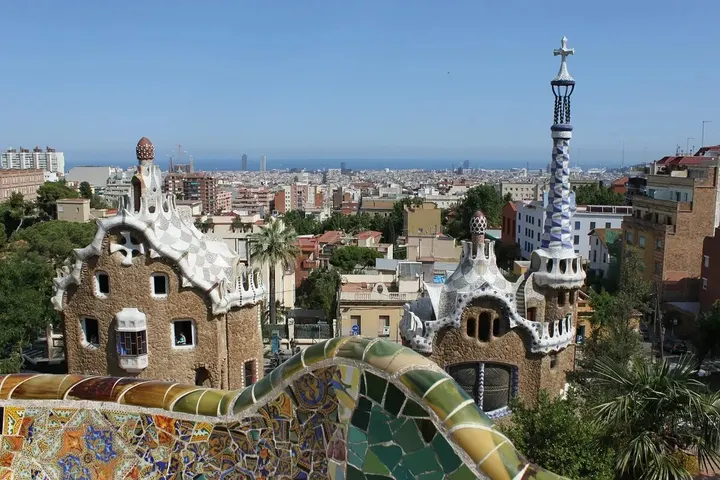
Hotels near the station and old town, many with free cancellation
 Photo: Isiwal · CC BY-SA 4.0 · Wikimedia Commons
Partner links · we may earn a small commission when you book, your price stays the same
Let Rin design a trip for your group