Review: Driving in Europe
I will only discuss the countries driven in on this trip. Even if you feel comfortable driving in Thailand with years of experience, that is no guarantee you will drive well in Europe.
Driving well in Europe requires strict adherence to traffic laws. If you are unsure about any traffic rules, go back and review them thoroughly. Pay special attention to entering and exiting roundabouts, stop signs, narrow roads, pedestrian crosswalks, overtaking rules, and traffic signs—all of these are crucial. Most importantly, strictly obey speed limits shown on road signs. (Generally, city limits are set at no more than 50 km/h, dropping to 30 km/h in crowded areas or school zones. Outside cities on two-way single-lane roads, limits range from 70-90 km/h. On roads with two lanes allowing passing, speeds reach 90-100 km/h. On tollways or expressways, limits are 120-130 km/h. Speed limits drop upon entering tunnels, and some highways have different limits for daytime and nighttime).
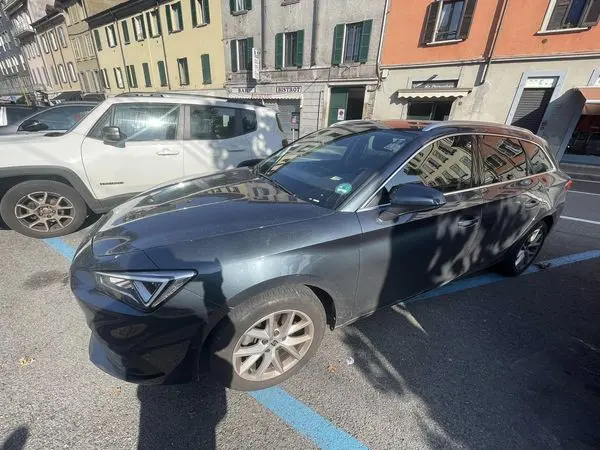
If you follow all traffic rules strictly, accidents rarely happen. (Study entering and exiting roundabouts carefully regarding right-of-way, and stop signs as well.) Don't forget that Europe drives on the right. Exercise extreme caution on right turns, especially in towns or villages, and always watch for pedestrians crossing when turning. Hitting a pedestrian is a very serious issue. When getting onto a tollway or expressway, be prepared to merge quickly. Before entering or exiting a tollway, examine the route carefully to see how the ramp is laid out (navigators are useless when driving in this region, especially Italy; the driver must make decisions entirely on their own). If you take the wrong lane or wrong route, don't panic; just keep driving and GPS will reroute for you. If it keeps running along a tollway, try to exit to drive on local roads below and find a way back up.
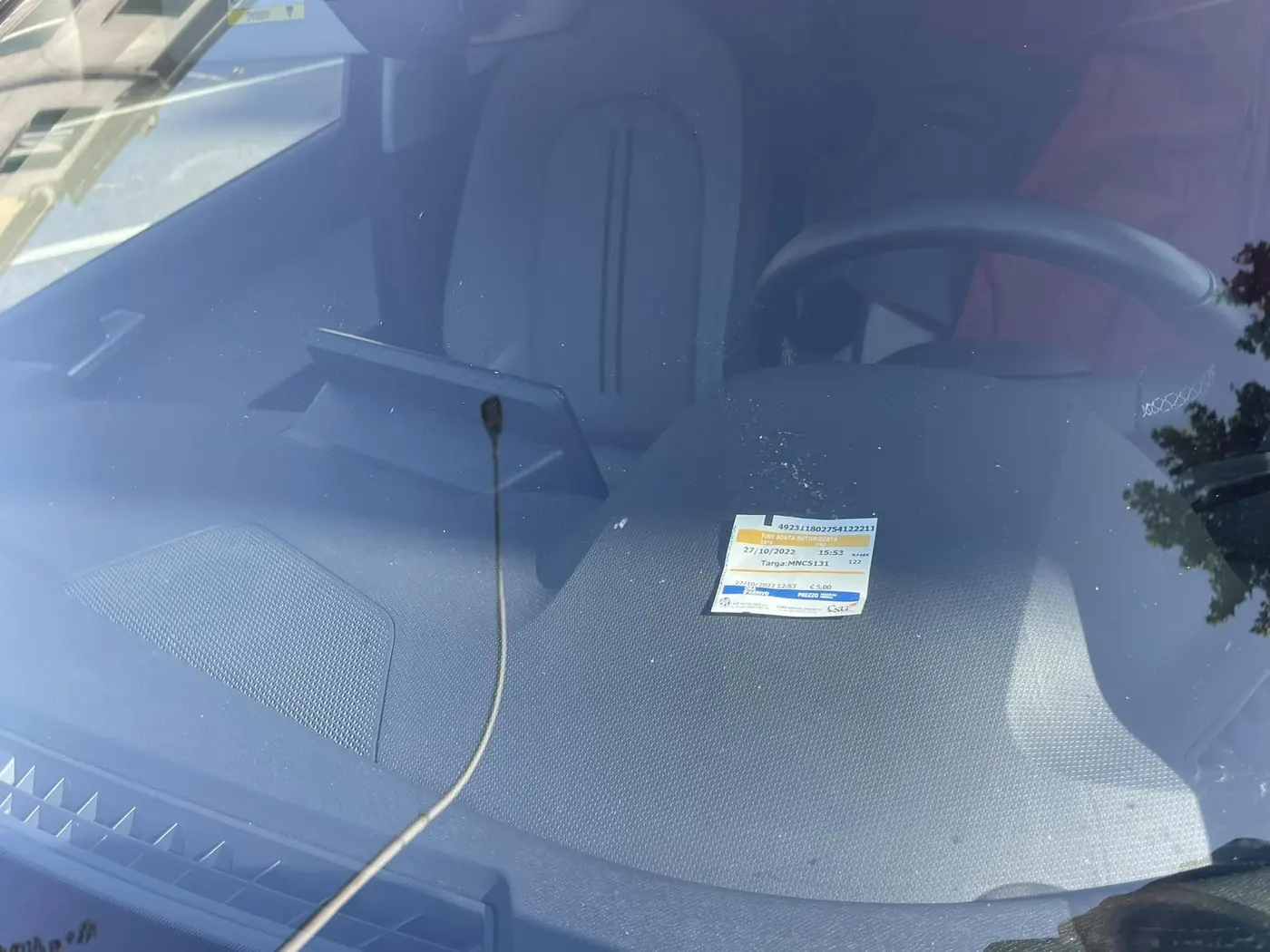
In Europe, if you drive across multiple countries, a major challenge is road signage languages. Each country uses its own language. In Switzerland, you encounter 3 languages at once (German, French, and Italian, depending on the region). Study the language to understand terms such as exit, dead end, or various warning signs.
In Europe, road signs are not like in the US. (US signs tell you the road name and direction, such as on freeway i66 where you see 66E (East) or 66w (West), making it easy not to lose your direction if you know where you want to go).
Europe, however, is like Thailand: signs only show the destination towns or cities ahead. If you get into the wrong lane, you could end up who knows where. The problem is, if you are driving to a distant town, your final destination might not appear on the signs yet. Therefore, you must check your route carefully to know which towns you will be passing through.
Also, Europe consists of many countries, and each country has different rules. For example, toll road fees, expressways, or tunnels. Routes starting with E are European route networks connecting Europe and even parts of Central Asia. As for what the numbering system means, feel free to look that up yourselves—to this day, I'm still confused by it 5555. Almost all of these highways charge tolls, and each country collects them differently. Let's look at how they work today.
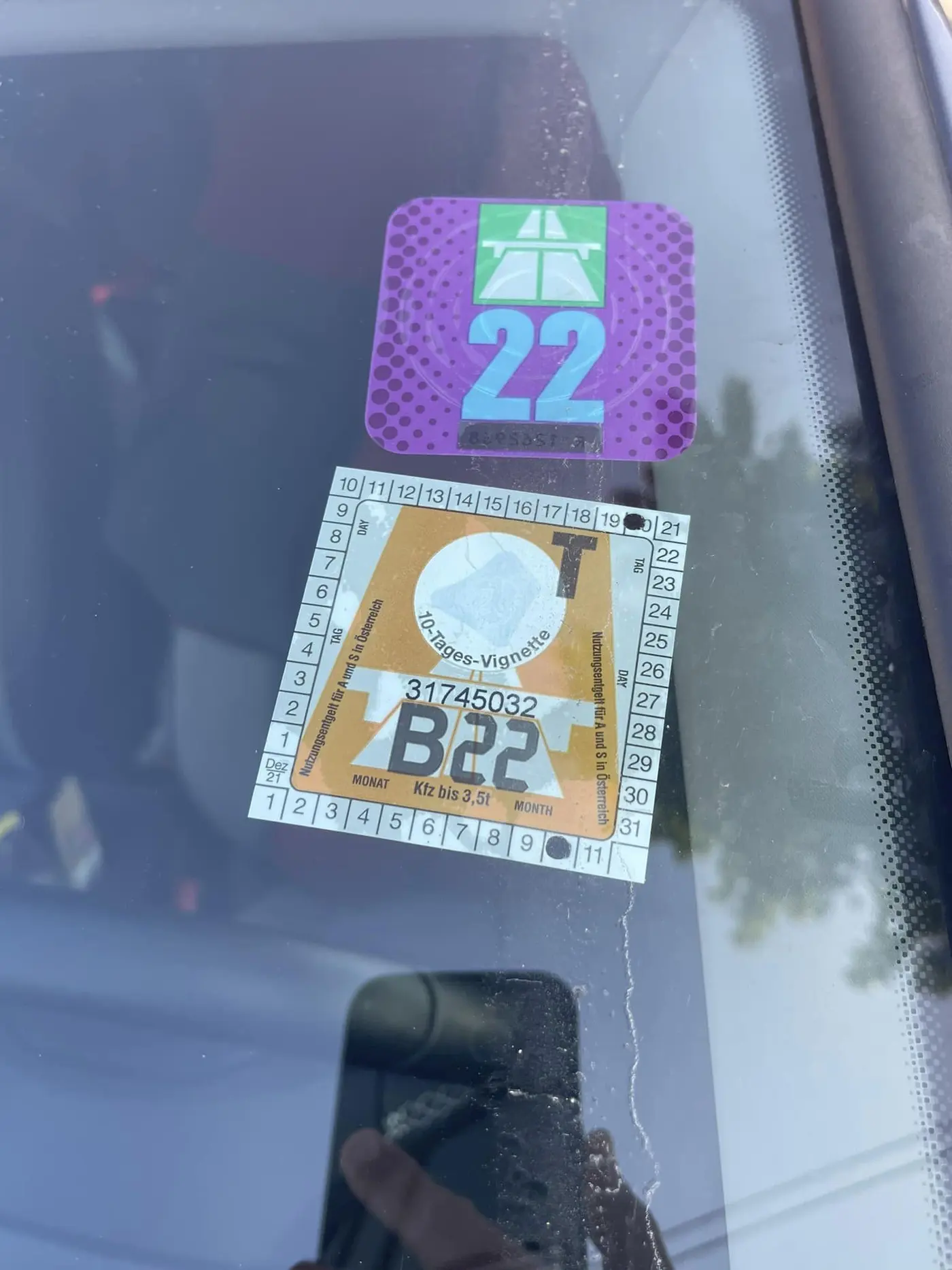
Austria uses a Vignette (sticker) on the windshield. You can buy them at gas stations along the tollway near the Austrian border. The cheapest option is valid for 10 days at 9.60 €. There are also 1-month and longer options, which naturally cost more. Currently, Austria allows you to buy online (just enter your license plate number and pay). However, buying online requires an 18-day waiting period before it becomes valid. Tunnel tolls in this country are very expensive (tunnel fees are charged separately from standard tolls). There are tunnels everywhere and almost all of them require a fee. You can tap a card or pay with cash at the toll gate before entering each tunnel.
Switzerland: This country only uses physical Vignettes; there is currently no online option. You can buy them at gas stations or post offices in the country (mostly near borders). In Liechtenstein, you can buy Swiss vignettes as well, but you have to find a gas station. The cheapest vignette is valid for 1 year, a single-price sticker at 40 CHF. Once bought, stick it in the middle of your windshield; once applied, do not peel it off. Tunnels across almost the entire country are free, except near borders such as tunnels passing through the Alps to Italy. You can check toll points for tunnels across various countries on this website:
https://www.tolls.eu/switzerland
Liechtenstein: This country has no tollways, so all roads are free of charge.
Italy: Tolls are paid when passing through gates; there is no Vignette. When entering a tollway, take a ticket from the machine. When exiting, insert the ticket, the machine displays the amount due, and you pay (around 9 € per 100 km). Be careful when choosing your lane: there are lanes for cash, cards (Carte), and Telepass (t-tag requiring registration). Before entering, clear symbols show which lane to take; some booths have pictures indicating an attendant is on duty. Choose your lane based on how you want to pay (Thai debit cards, credit cards, and travel cards can all be used at toll gates and tunnels across Italy, France, Austria, and Switzerland). In Italy, all tunnels are free of charge. Note: Major islands like Sicily and Sardinia have no toll roads.
France: The payment system is similar to Italy, with no Vignette. However, because tollways are run by multiple companies, systems can vary; for example, certain cards might not be accepted. France has several fee-paying tunnels, especially the Mont Blanc Tunnel to Italy, which is quite costly.
Slovenia: This country has short toll sections. You can buy an e-vignette online for immediate use. Unless necessary, you don't really need the tollways; traffic is light, roads are clear, and towns and villages are small enough that you pass through them quickly.
For GPS navigation, I personally prefer Maps.me (I'm not fond of Google Maps as it often misdirects and can be tricky to use). If you want to avoid paying tolls or tunnel fees, set the app to "no tolls" before navigating. It won't direct you onto toll roads or through toll tunnels, but you will have to deal with driving through small towns and villages the entire time, which is tiring and much slower. For long distances, I don't recommend avoiding tolls; paying the fee makes the drive much more comfortable.
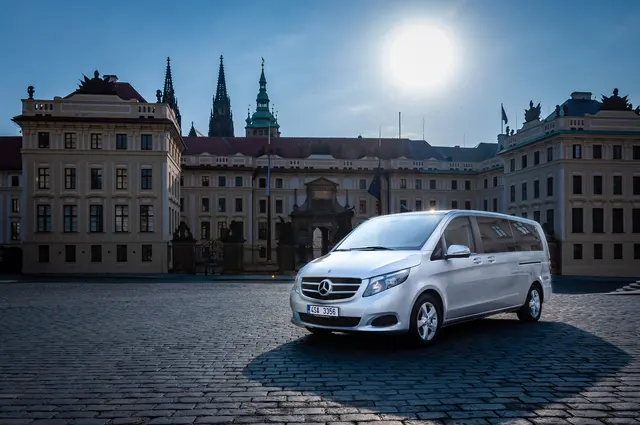
In Part 3, we'll cover driving into city centers, sightseeing in cities by rental car, finding spots to stop and take photos or viewpoints along the way (the great advantage of renting a car is being able to stop wherever parking is permitted), as well as planning your driving route across Europe.
Cr. Tony Thinnakorn Poonvasin
Driving yourself? Book the car here
Compare many rental companies on one page; check the insurance and one-way fees before you book
Partner links · we may earn a small commission when you book, your price stays the same
Planning it yourself?
What independent travellers usually book before they go, from providers that actually work

Thai language, pay in baht
Popular with Thai travellers, Thai-language pages

Museum and landmark tickets, ready on your phone
Compare hotels in every city, many with free cancellation
Partner links · we may earn a small commission when you book, your price stays the same
Let Rin design a trip for your group