Switzerland: a beautiful small country in Europe, with a horizon wrapped in beautiful mountains
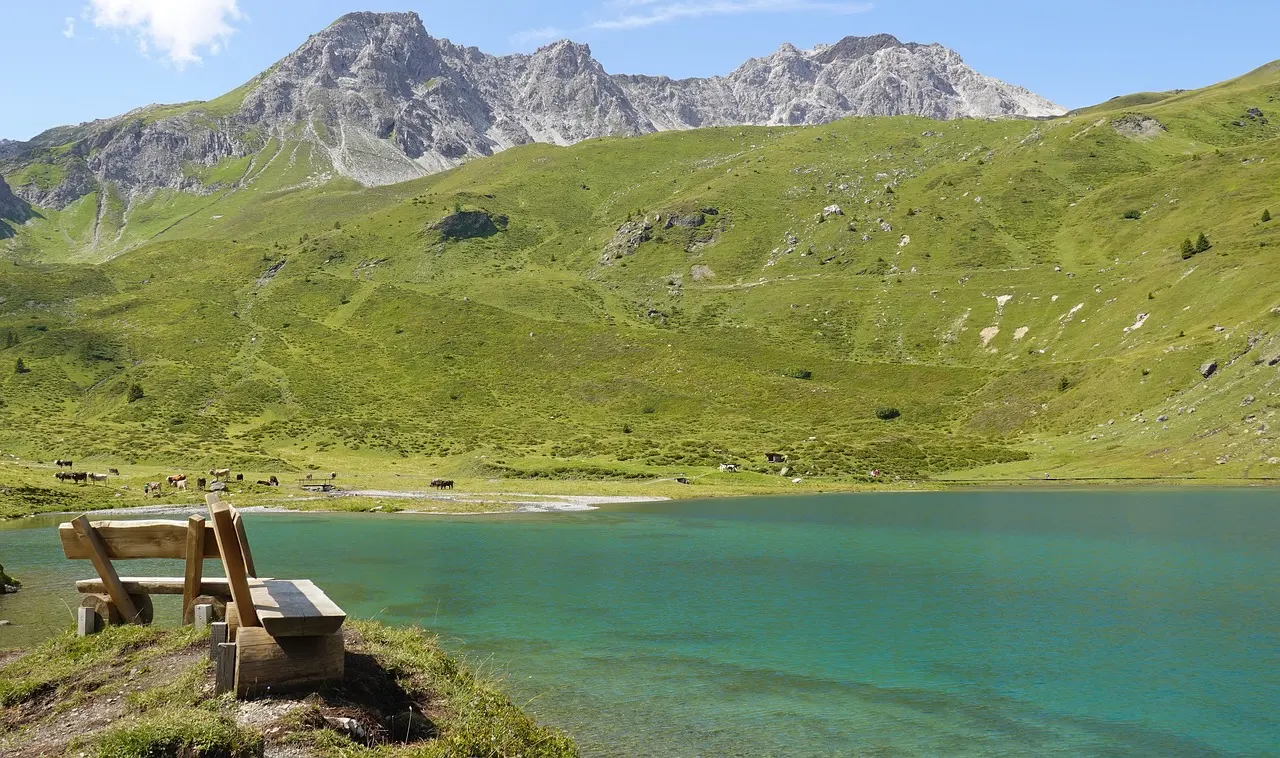
Switzerland is a small country in Europe. Although it has no sea coast, it has beautiful, peaceful mountain scenery and is a popular destination for travelers from all over the world. Before you set off for Switzerland, please prepare well. Here is what you should know before starting this fun trip:
1. Seasons and the best time to visit
Switzerland has 4 distinct seasons: spring, summer, autumn and winter.
- Spring starts around April, and the milder weather continues until November. The air turns cool and is very pleasant in this season.
- Summer is mostly rainy or sunny, but not too hot.
- Winter brings fairly heavy snow and plenty of snow activities. It is important to follow the weather forecast so you can estimate how nice each day will be.
Switzerland is a country with many types of terrain and a wide variety of weather. Normally the air is cool and comfortable, with moderate temperatures. Summer is pleasantly warm, but be careful in winter, as there is heavy snowfall, especially in the high mountains. Remember to adapt and bring clothes that keep you well insulated before heading out to sightsee in the cold weather.
If you are planning a trip to Switzerland, understanding the terrain and weather there is very important. Overall, Switzerland is a lovely country in every season, but watch out for the very heavy winter weather and snow-covered mountains in particular. If you keep an eye on the weather conditions while traveling, your trip will be an even better experience!
2. Time zone
The standard time zone is UTC/GMT +1, which is 6 hours behind Thailand.
3. Language
Switzerland has 4 official languages: German, French, Italian and Romansh (Ticinese is a local dialect of Italian). As tourists, we can communicate in English, but speaking one of the 4 languages above is more convenient.
4. Currency exchange
The currency is the Swiss franc (CHF). The exchange rate is about 34-35 THB per 1 Swiss franc (depending on the baht's value).
The cost of living in Switzerland is high, so if you travel on your own, bring enough money. If you run short, you can pay by credit card, and euros are accepted at large shops. We recommend exchanging Swiss francs in Thailand, which is easier and gives a better rate: 1 CHF is worth about 33-34 THB. In addition, ATM cards with the Plus or Cirrus symbol can also be used to withdraw francs from machines, but there is a fee of 100-150 THB per withdrawal.
5. Power plugs
Switzerland uses 220 volts, the same as Thailand, with 3-pin round sockets. If your plug has 2 round pins, you can plug it in right away. If not, please bring a plug adapter.
6. Clothing
We recommend dressing according to the season you will be traveling in, as follows:
Winter: December - February | Temperature -7 to 7 degrees Celsius | Cold weather, with snow covering many areas. Ideal for anyone who wants to see snow | Recommended clothing: thick thermal underwear, a thick coat, a waterproof jacket that keeps out snow, gloves, socks, a woolly hat, and boots or snow-proof shoes.
Spring: March - May | Temperature 3 to 7 degrees Celsius | Pleasantly cool weather, ideal for anyone who wants to experience the cool European air | Recommended clothing: a jacket, sweater or cardigan, a scarf, long trousers, socks and closed-heel shoes.
Summer: June - August | Temperature 18 to 28 degrees Celsius | The weather at this time of year is the closest to Thailand's, just a little cooler, so you may not need to prepare much warm clothing and can choose from a wide range of fashionable outfits. This is also the season when you can enjoy a greater variety of outdoor activities.
Autumn: September - November | Temperature 8 to 16 degrees Celsius | This is when the leaves change color. The weather can change often and you may encounter some rain, so check the forecast, but we promise you will come home with beautiful photos of the colorful trees | You should have an umbrella, a raincoat and boots ready in case of rain.\
7. Getting around
Getting around Switzerland is convenient, as the road and rail networks cover almost every area and are more than sufficient. The public railway has more than two thousand stops across the country. If you plan to travel in Switzerland on your own, you can buy a train ticket package for the number of days you need.
If you want to travel around Switzerland easily, we recommend using the train as your main mode of transport, as it is both convenient and very economical. Swiss trains come in several types, such as IC, ICN > IR > RE > R, S-Bahn and so on.
In addition, Swiss trains are divided into many different categories. The most economical way to travel is to use a Swiss Pass. We recommend buying your Swiss Pass in advance, as it lets you travel by train, bus and boat for free, and also gives you discounts of 25-50% on mountain excursions. Best of all, it is easy to buy.
8. Accommodation
When planning your Switzerland trip, don't forget to think about where you want to stay, because accommodation here can be more expensive than in many other countries, owing to Switzerland's high cost of living.
So Rin recommends booking your accommodation in advance, before you start your trip. Besides getting rooms at a lower price, booking early also lets you choose a hotel in a good location.
If you plan to travel mainly by train, we recommend finding a hotel close to the main train station in each city. It is very convenient: just 5-10 minutes from your hotel and you are at the station. Or you could stay somewhere along a bus route. When planning your trip in Switzerland, you don't need to change hotels often. You can choose to stay in just 2-3 major cities and explore the neighboring towns comfortably from there. For example, Zurich, Lucerne, Bern or Lausanne are well suited as bases for reaching other cities, and these cities are easy to travel from to nearby places. On some days, if you want to experience the atmosphere of a small town, you can add it to your itinerary, such as Interlaken or Zermatt.
You can also choose to stay in a village or the countryside to immerse yourself in the nature and beautiful surroundings. And remember that most hotels in Switzerland offer a buffet breakfast, including coffee, bread, butter, jam, boiled eggs, ham, sausages and cheese, along with a mix of fruit and vegetables. Rin recommends having breakfast at your hotel before heading out, because on some days the restaurants outside may not yet be open in the morning.
9. Food and local flavors
When you arrive in Switzerland, don't forget to taste the local food here! Swiss milk and cheese have a unique charm and you should definitely try them. They are truly a must.
Swiss food is often made mainly from milk, butter and natural ingredients, and Rin is sure that everyone who visits Switzerland will fall in love with the rich, very high-quality Swiss chocolate. It is also one of the best souvenirs to bring home for friends and family.
There are many Swiss dishes worth trying, such as Cheese Fondue, a traditional dish, or Rosti, shredded potato mixed with melted cheese. Then there are the Basler Leckerli sweets from Basel, perfect for anyone with a sweet tooth. If you like grilled meat, Rin recommends trying Zürcher Geschnetzeltes (grilled veal). You won't be disappointed. And one more thing you must not forget: be sure to try the liver pâté pie or minced meat pie (Luzerner Chugelipastete).
When you visit Switzerland, you will find flavors full of quality and creativity. Exploring and tasting the local food is also an important part of the travel experience in Switzerland!
*Bottled water in Switzerland is very expensive. You can drink water from fountains or taps for free. We recommend carrying an empty bottle to refill, which will save you a lot. However, watch out for an X sign: it means the water from that tap is not drinkable.
10 Phone and connectivity
The mobile network we recommend for your trip to Switzerland is SWISSCOM. The Swisscom Shop offers all kinds of communication services, including SIM cards and a variety of internet plans. If you will be staying in Switzerland for a longer period, Rin recommends SWISSCOM as a good choice.
In fact, SIM cards from Thai mobile providers can also be used in Switzerland and other European countries, such as Sim2Fly, TravelSIM and GOinter. You can choose any SIM card you like, buying it in Thailand or in Switzerland. You can also share your connection with friends and split the cost, which is a good way to save on internet fees. It costs about 50 THB per day, which is a better option than renting a Pocket Wi-Fi.
But do watch the amount of GB you get, as there are some limits, so we recommend a SIM card only for those who don't use much internet. If you need to be connected to the internet all the time, we recommend a Pocket Wi-Fi, which is better value.
Planning it yourself?
What independent travellers usually book before they go, from providers that actually work
Thai language, pay in baht
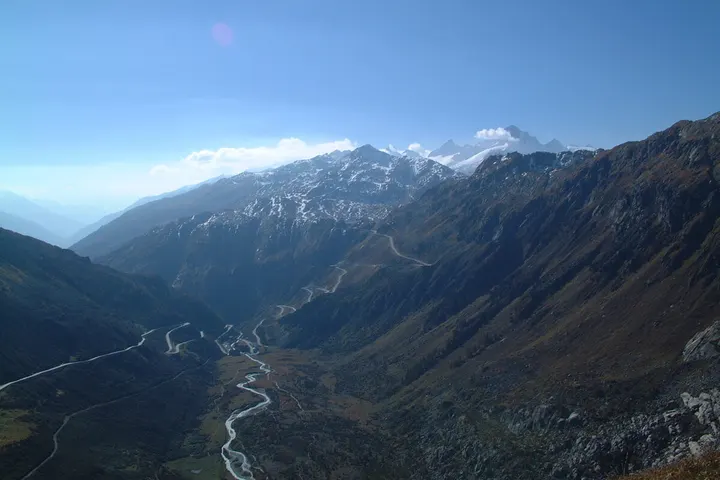 Photo: Tilman2007/Dr. Volkmar Rudolf · CC BY-SA 4.0 · Wikimedia Commons
Compare many rental companies on one page
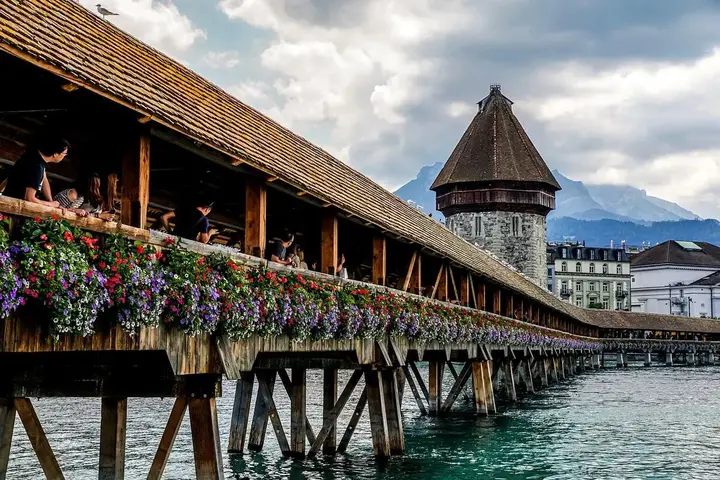
Popular with Thai travellers, Thai-language pages
 Photo: Jules Verne Times Two · CC BY-SA 4.0 · Wikimedia Commons
Museum and landmark tickets, ready on your phone
One way from about 7,549 baht (Dec 2026)
Frequent deals, Thai-language pages, pay in baht
Partner links · we may earn a small commission when you book, your price stays the same
Let Rin design a trip for your group