The Last Nam Kliang Tree of the Community
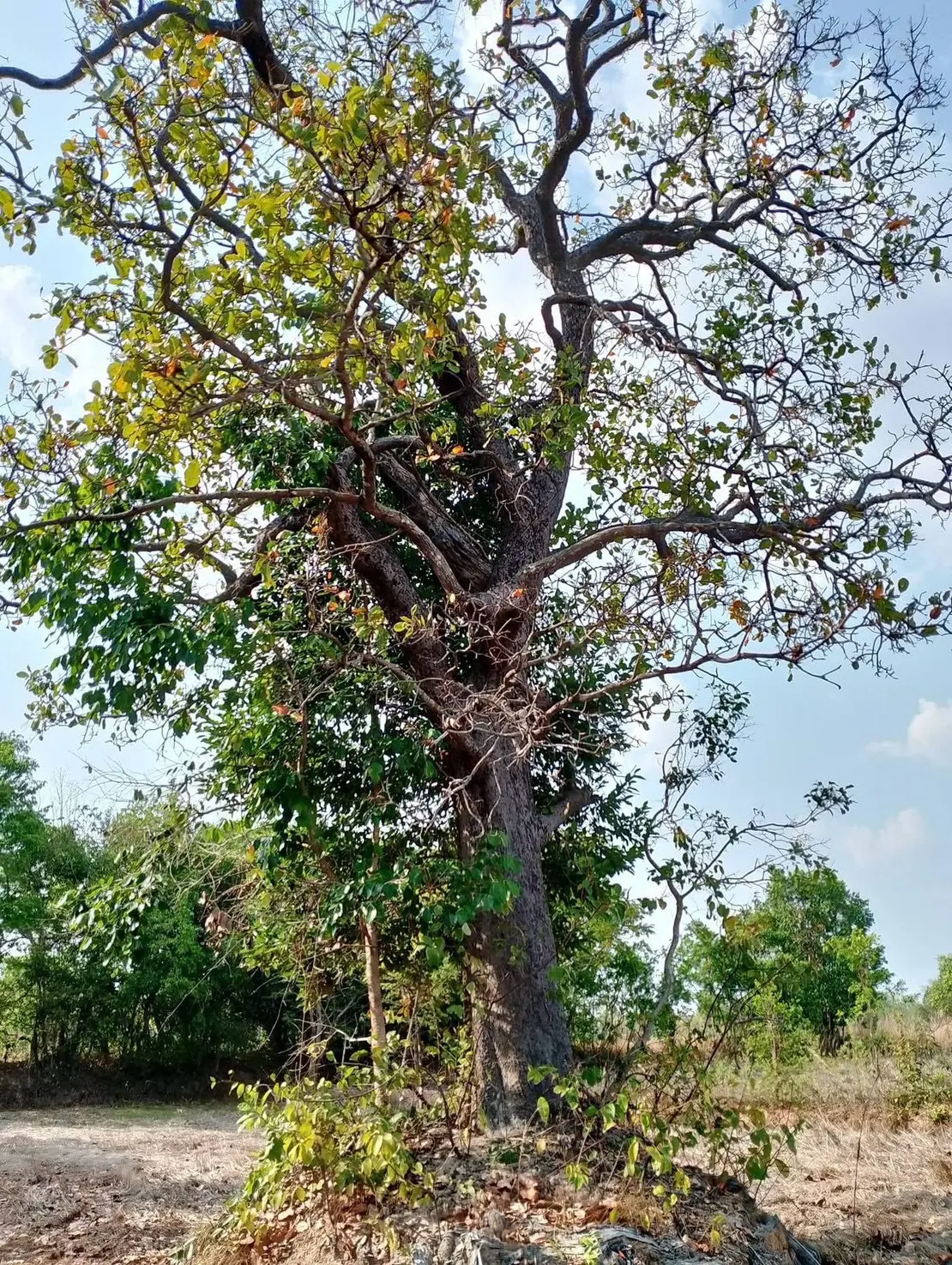
The Nam Kliang forest has been cut down because the value of this ancient craft is not appreciated.
People who are allergic to the fumes of Nam Kliang sap (Isan lacquer) tried to solve the problem without looking for ways to coexist with it.
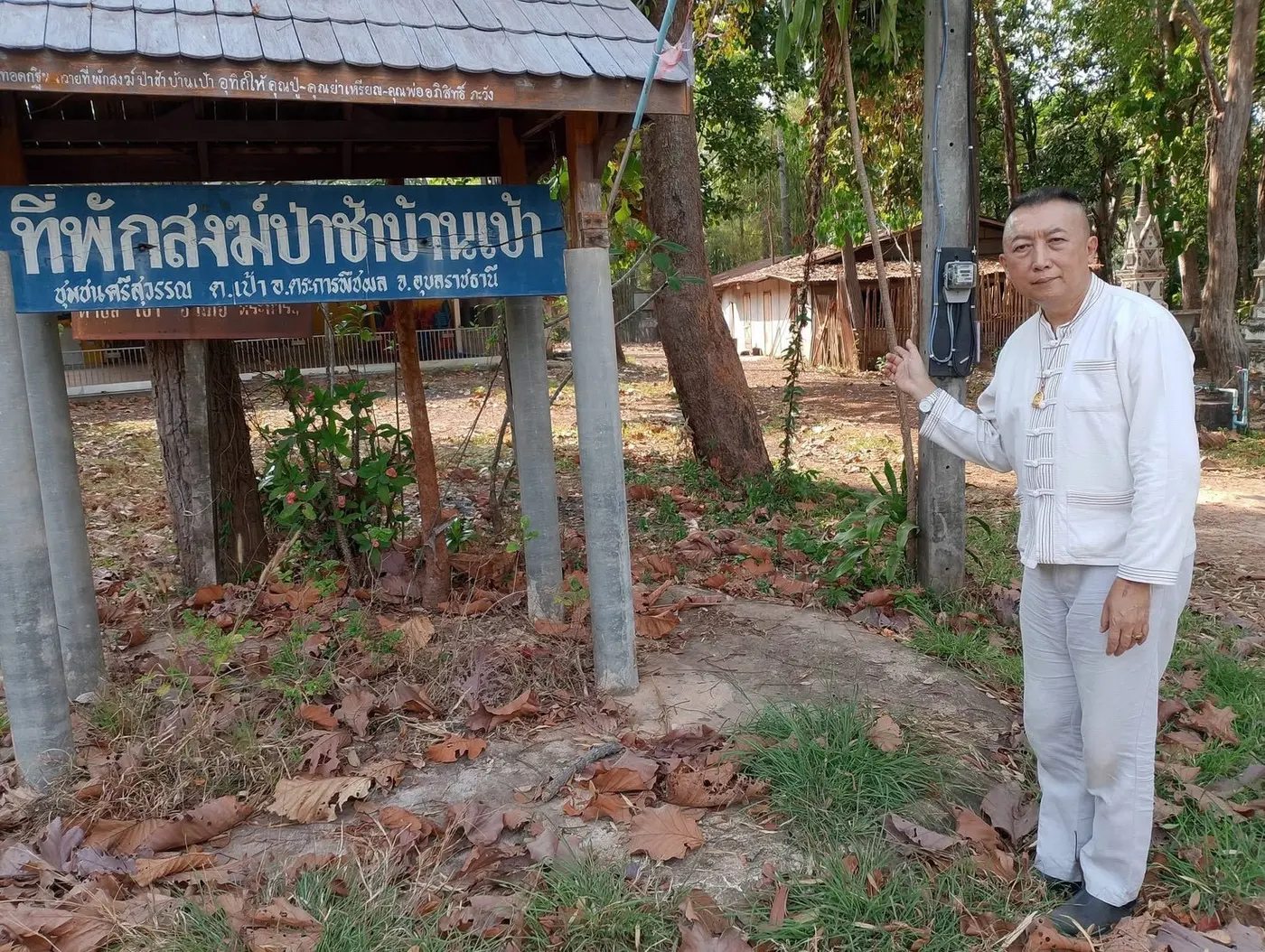
A lesson and a shocking fact
Thai people in Isan are losing both their skilled craftspeople and the forest, the local resource and raw material.
This is due to a lack of awareness and the absence of any government agency
that seriously supports the revival of this craft.
This project has only a very small faculty-level budget,
but it has documented the area as fully as possible, to record the final page
before the Isan Nam Kliang craft disappears forever.
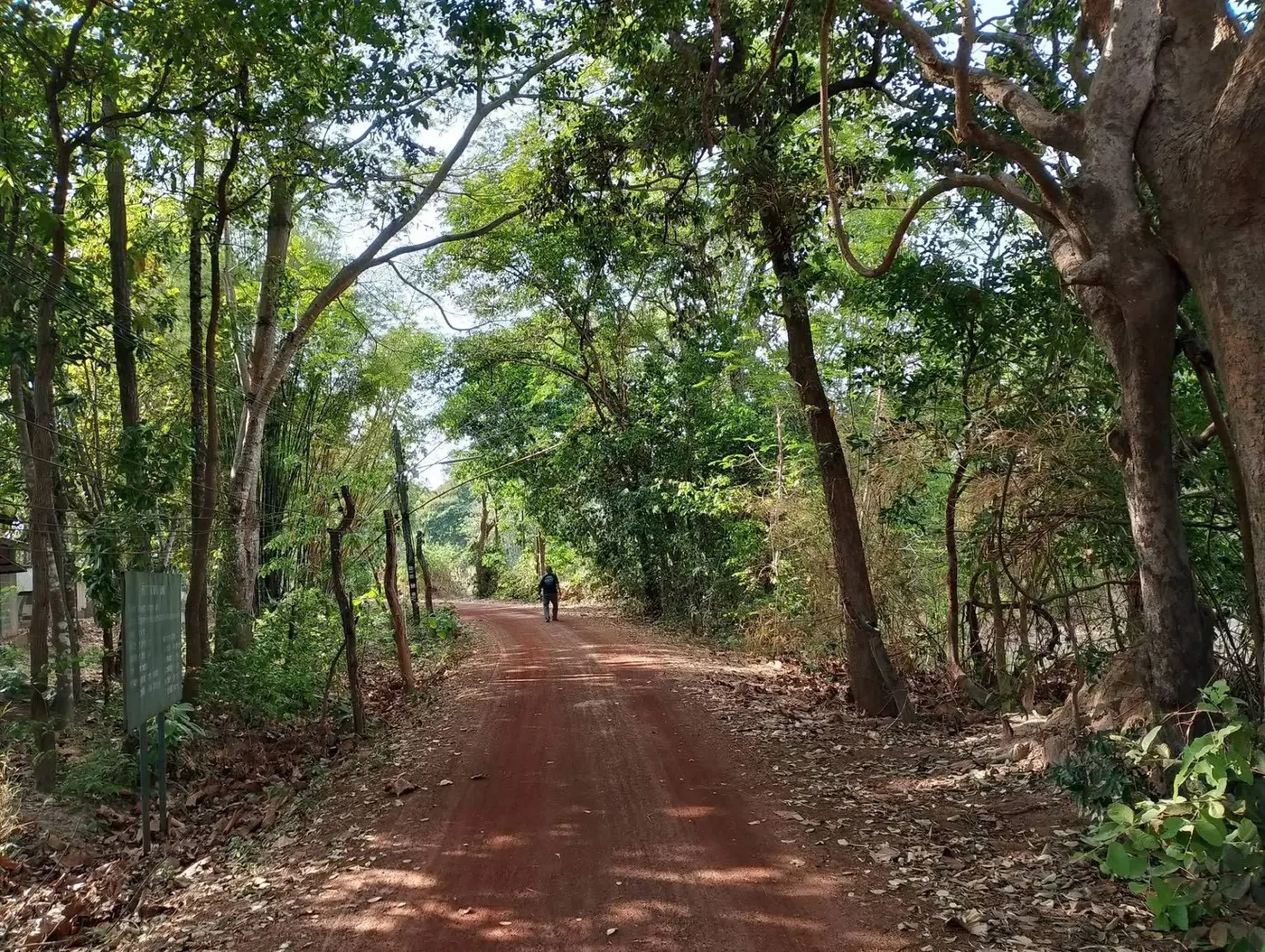
What is Nam Kliang?
Drinking water! Clean water! Lacquer sap!
Urgent Safeguarding for Intangible cultural heritage (ICH)
The Isan craft that has vanished, both the plant species and the skilled handiwork, because of allergic reactions to the chemical fumes of the Nam Kliang tree sap
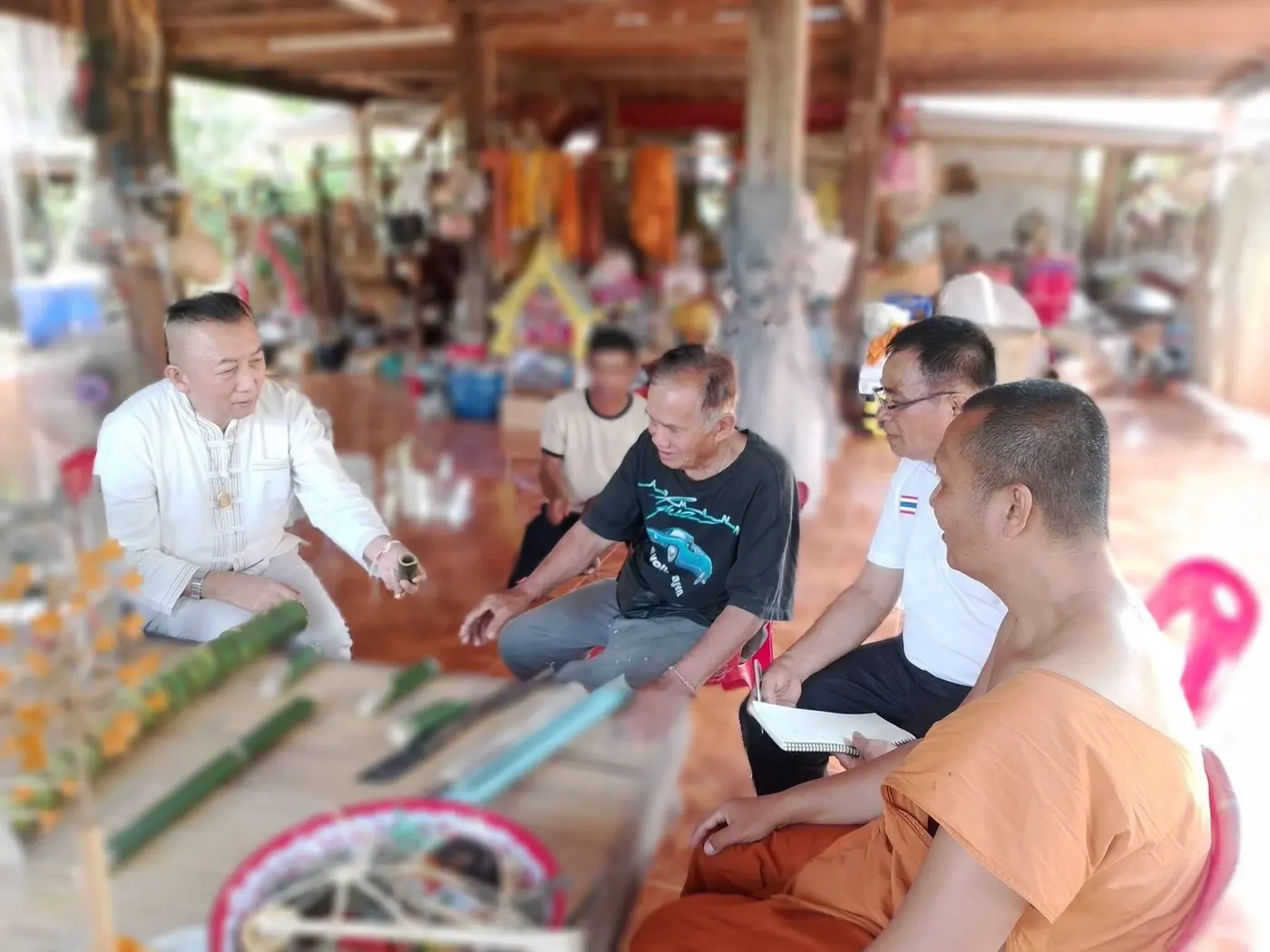
Some people react even when standing far away, and some break out in a red rash when close by, while others are not affected at all. During field visits, community sages shared simple remedies made from local materials.
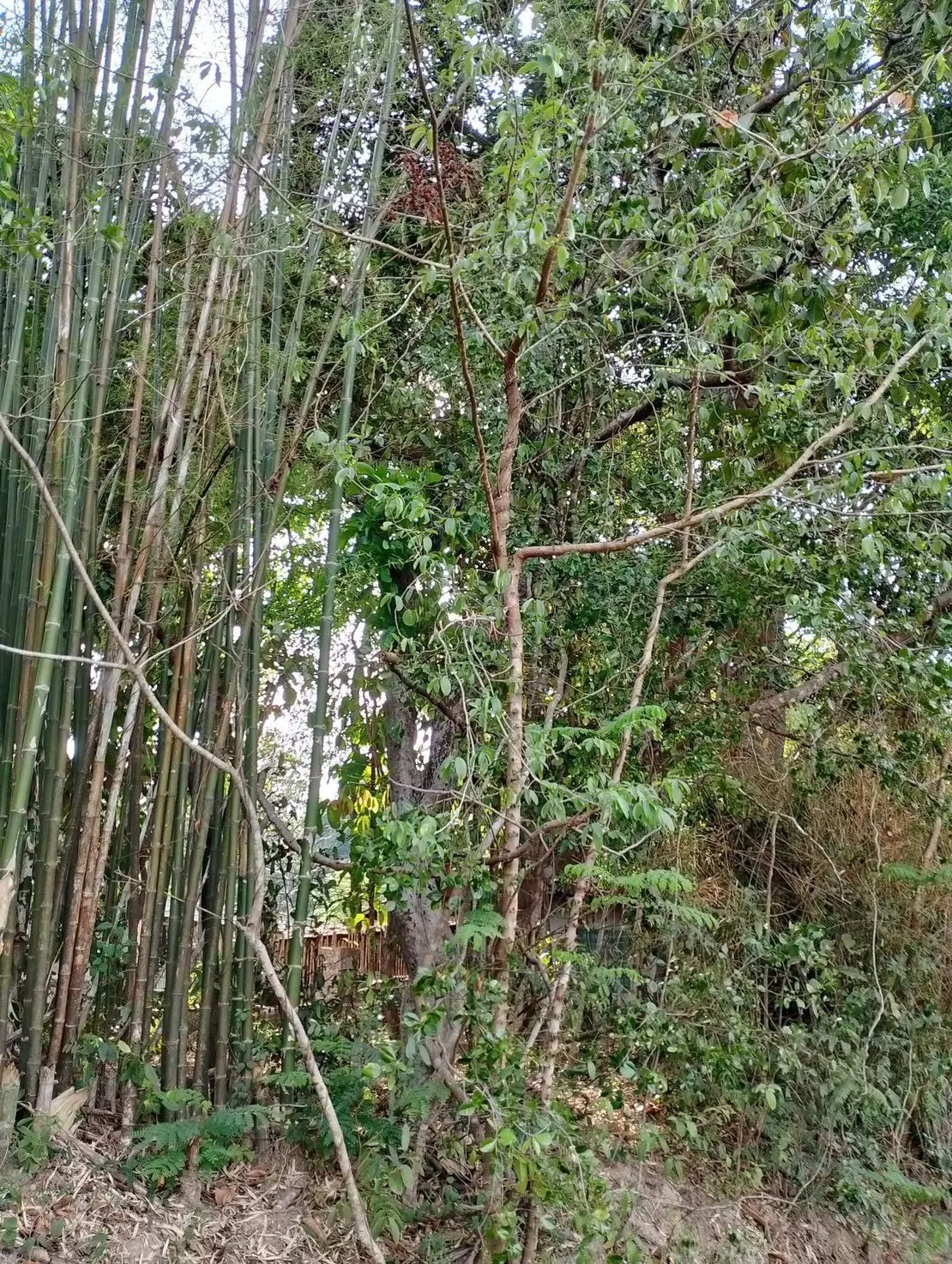
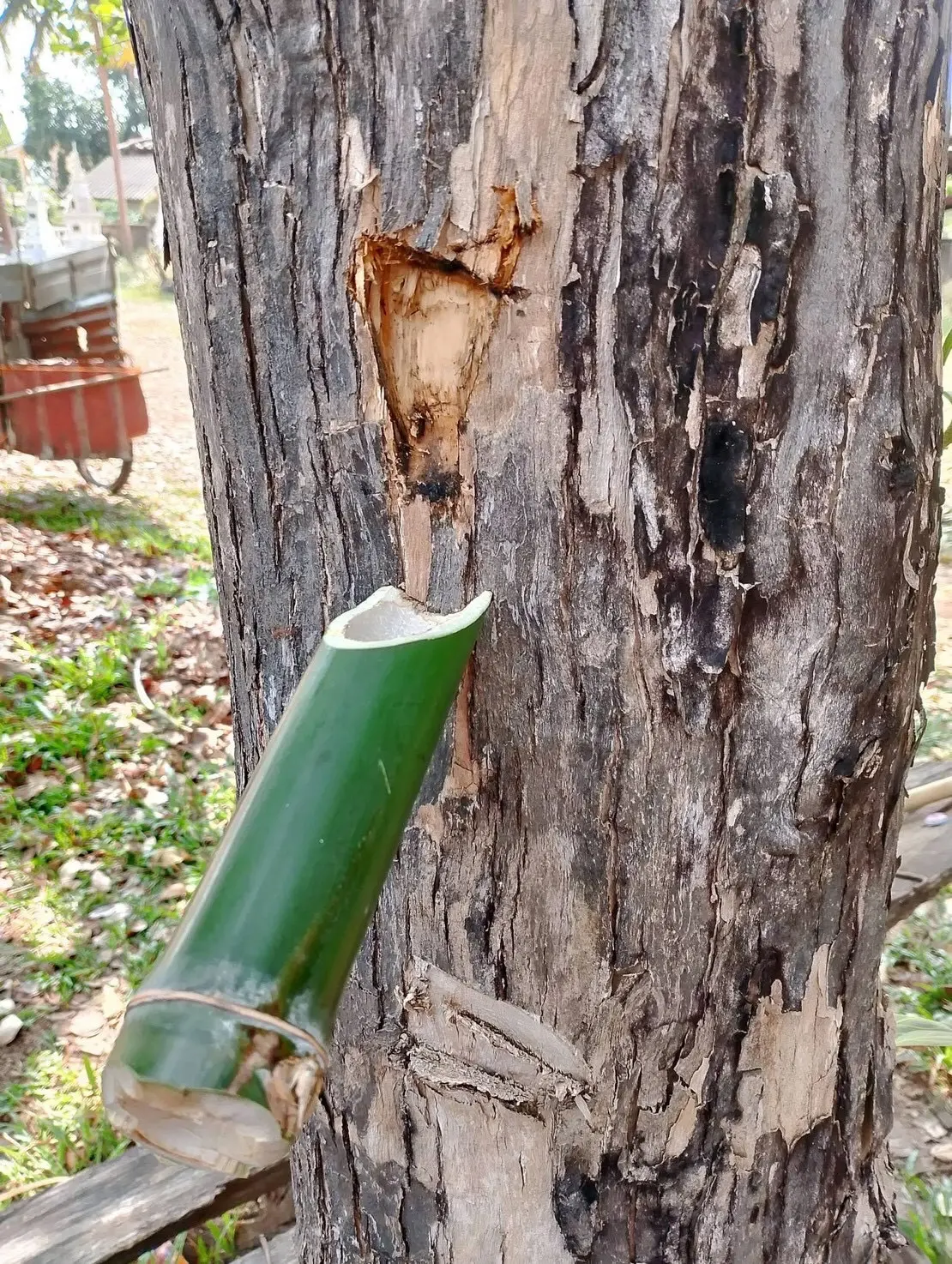
Semiotics: the symbol of the female organ carved into the Nam Kliang tree
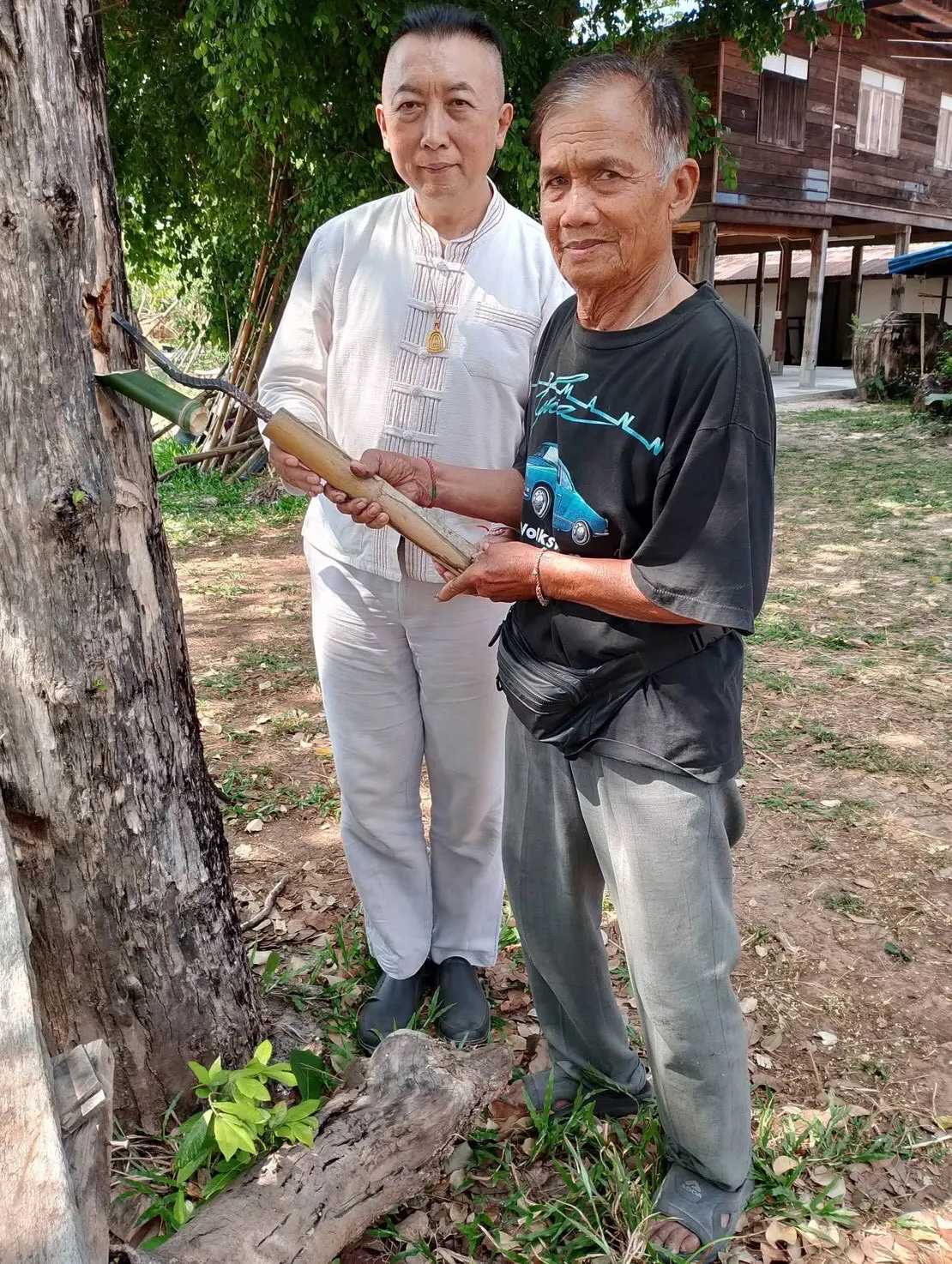
and the semiotics of the male-shaped sap-collecting device attached at the matching spot to catch the white sap as it flows out, likened to semen.
This is another dimension of belief in anthropology in ancient societies, which may be explained from a new perspective that is waiting to be studied.
Today, competition and cross-border trade
have led to lacquer sap from northern Thailand being used in place of local Nam Kliang.
At the age of 60, the researcher helped revive woven textiles until the community became strong, but one craft is dying out.
So she is determined to study it so that the younger generation can carry on the work on Nam Kliang craft / Isan lacquer.
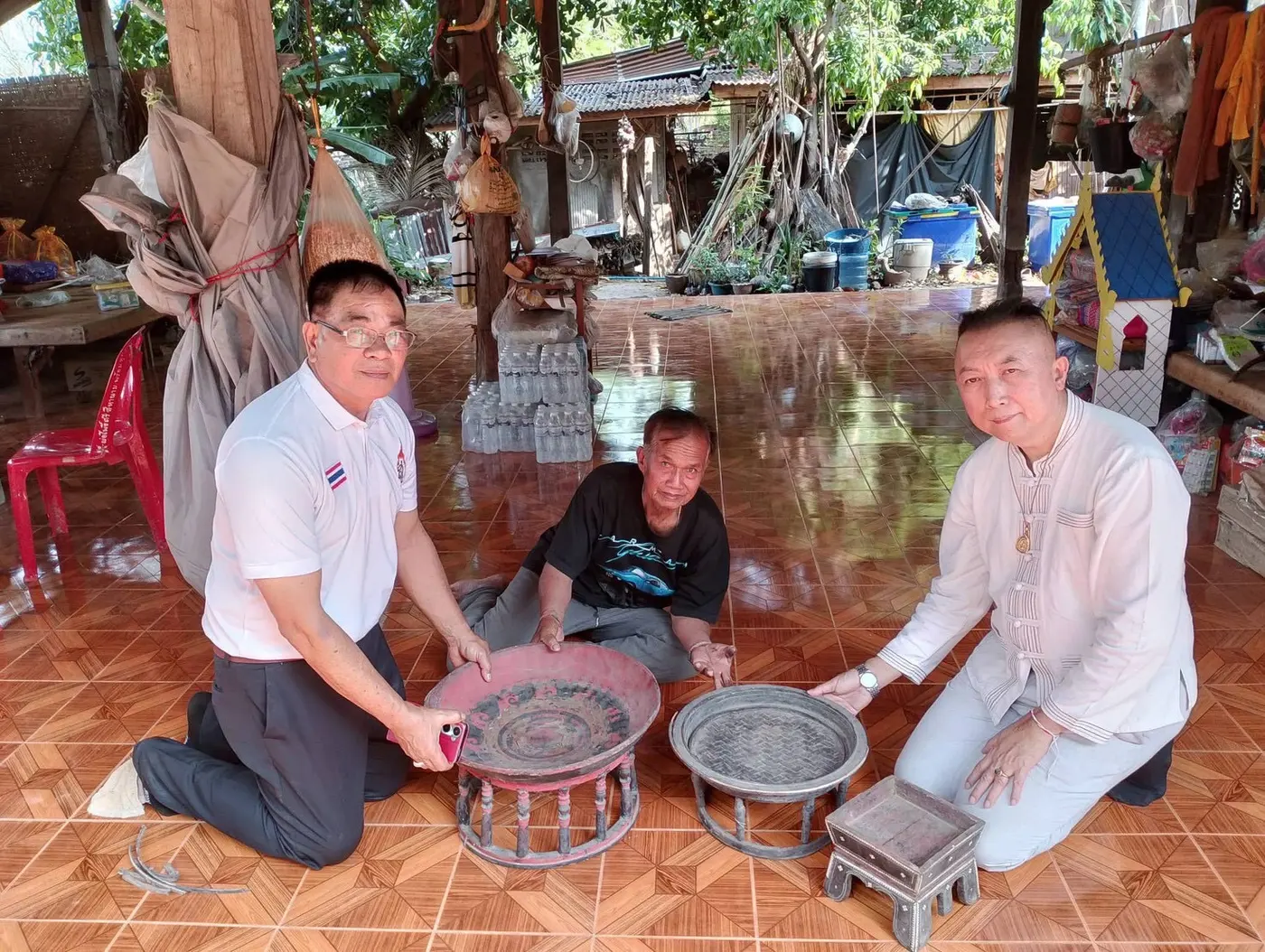
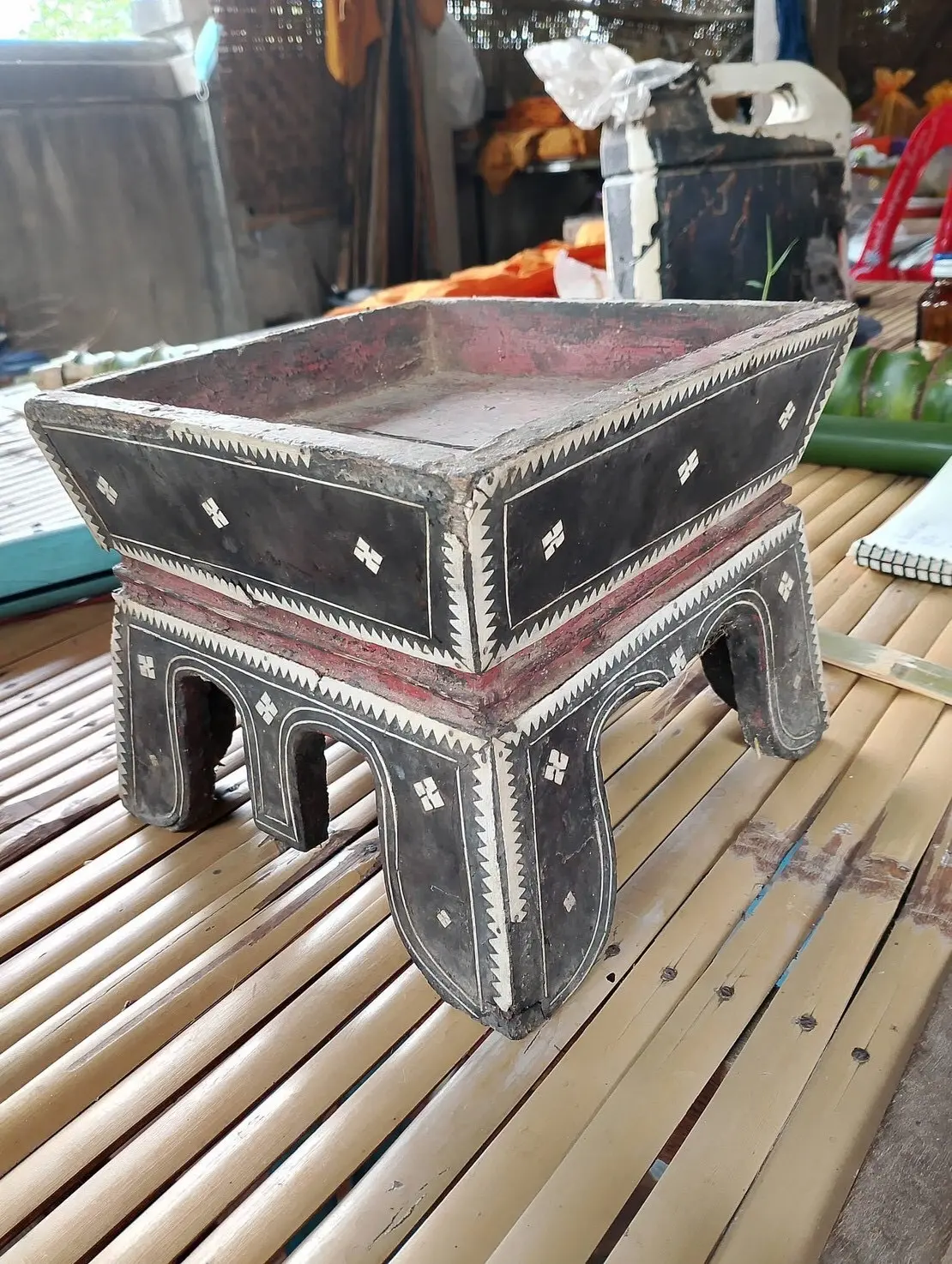
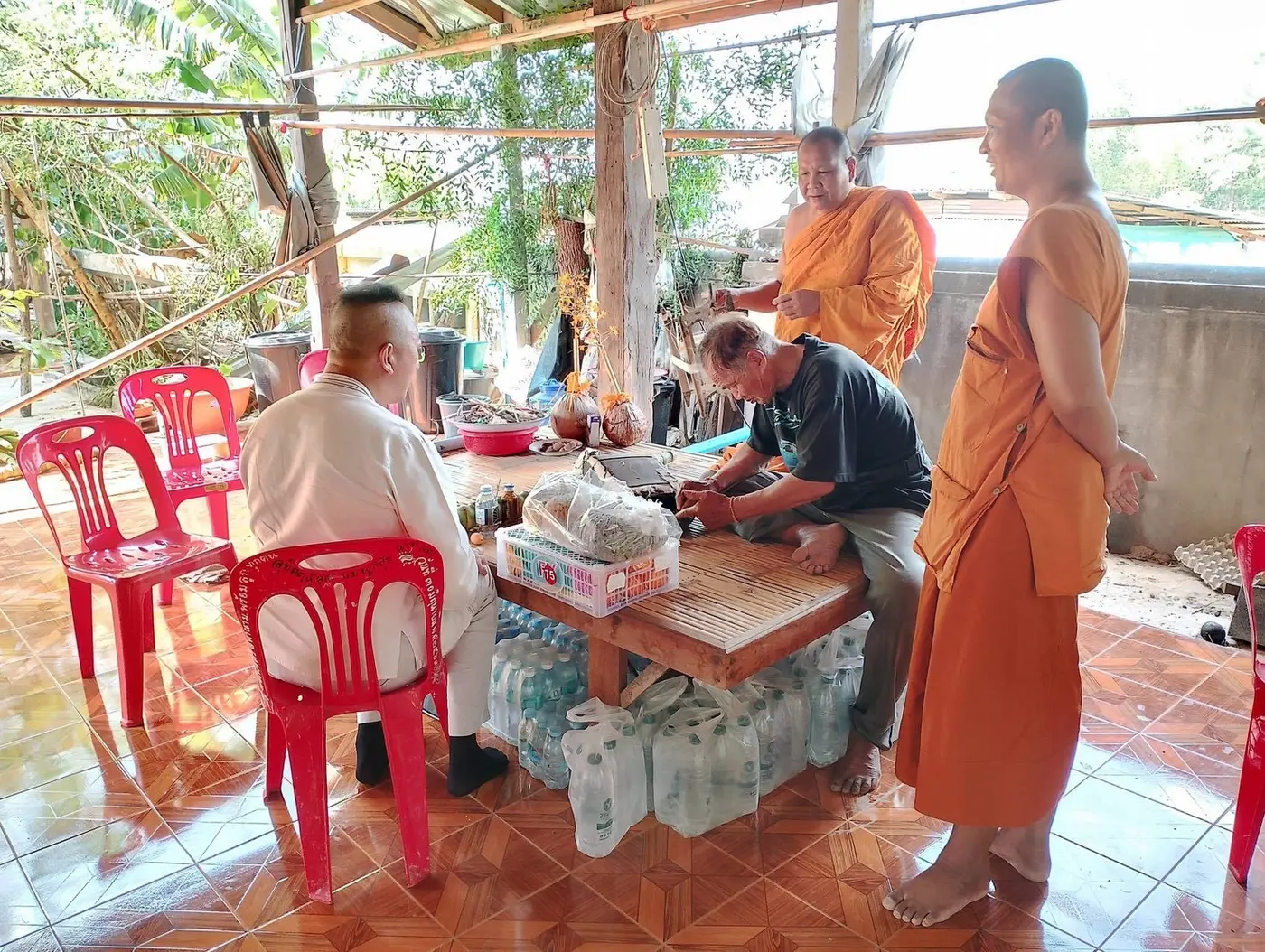
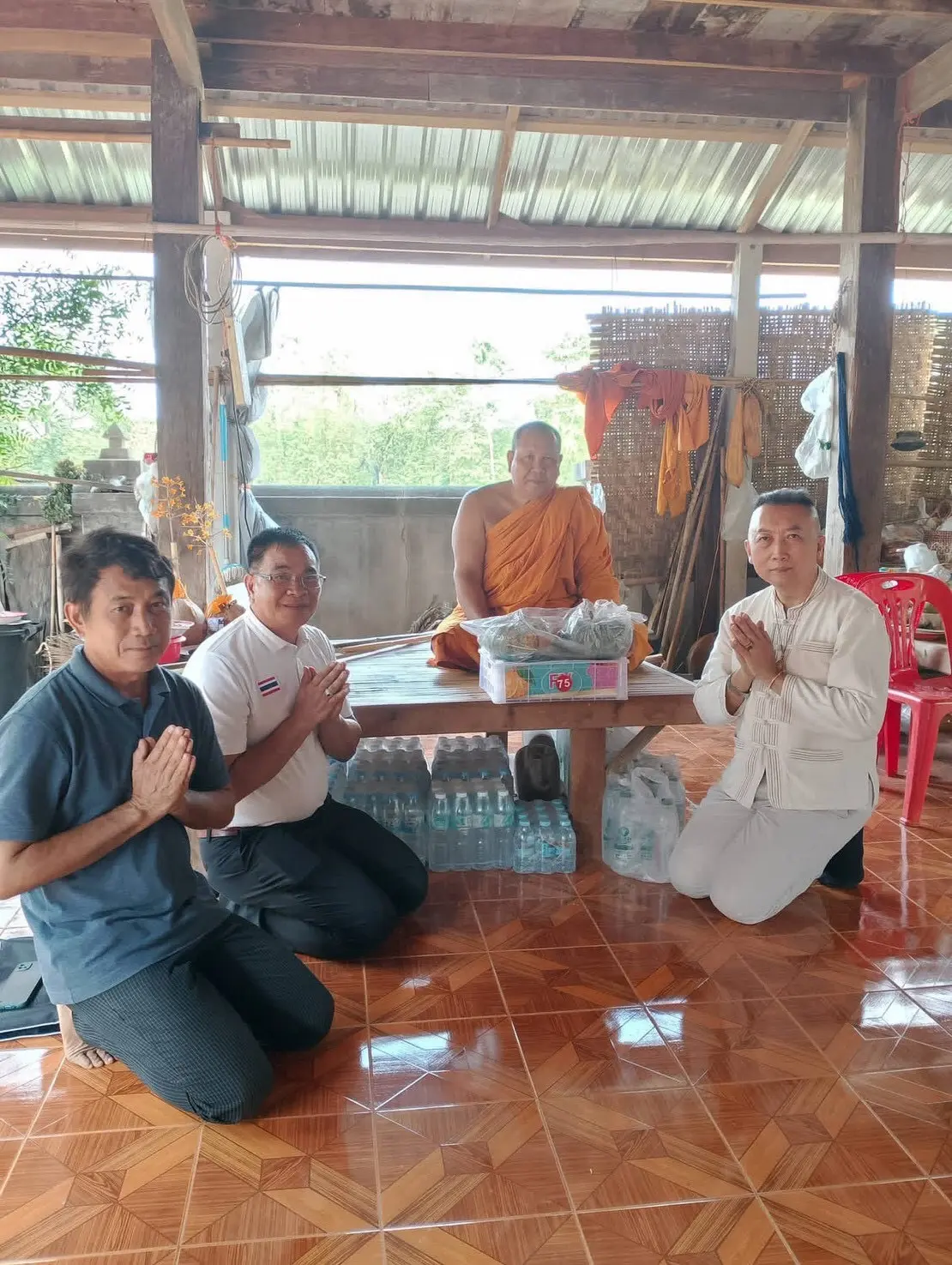
A community sage, a knowledgeable temple abbot,
the last craftsman who used to collect Nam Kliang sap,
and a retired researcher aged 60
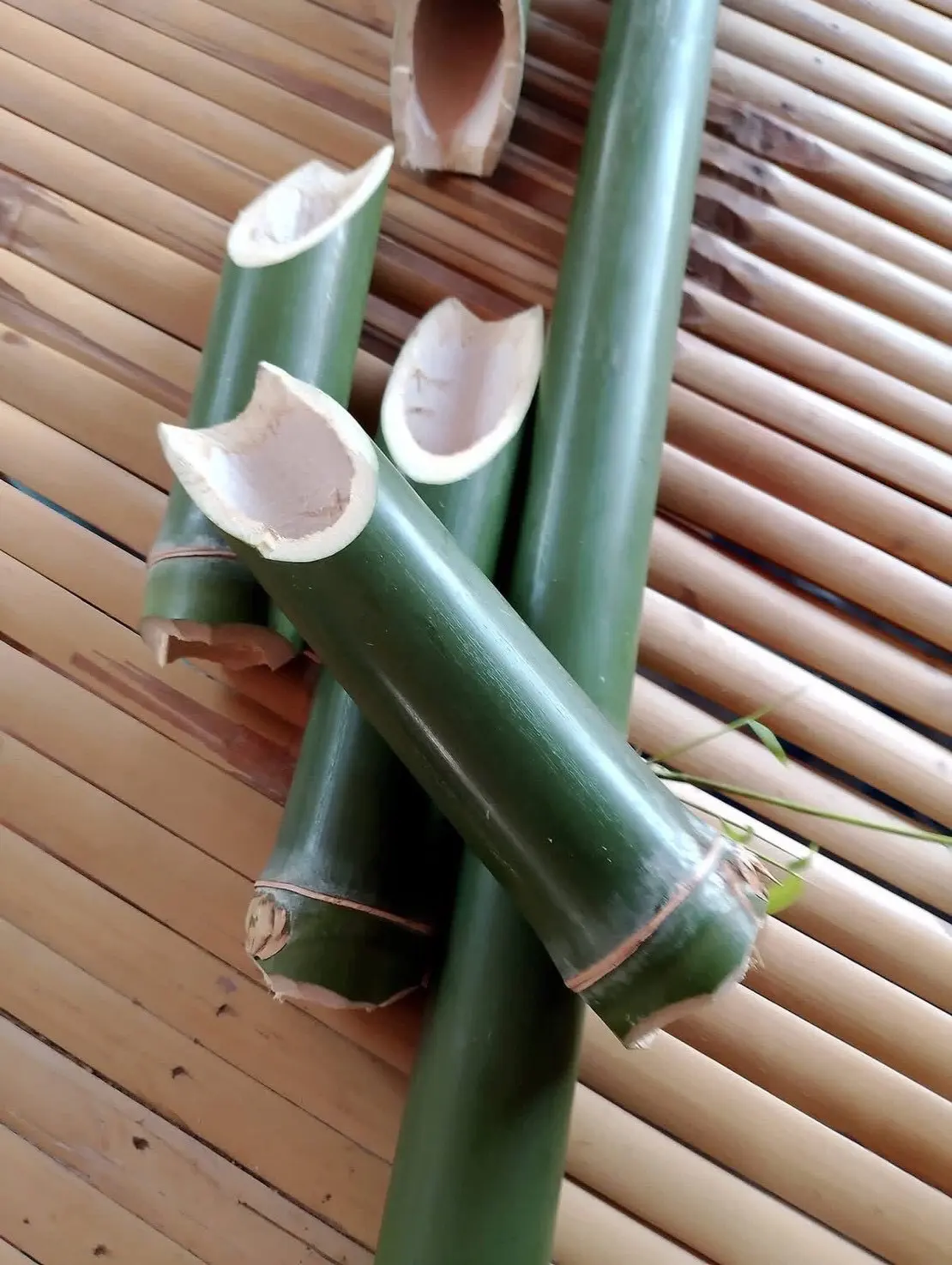
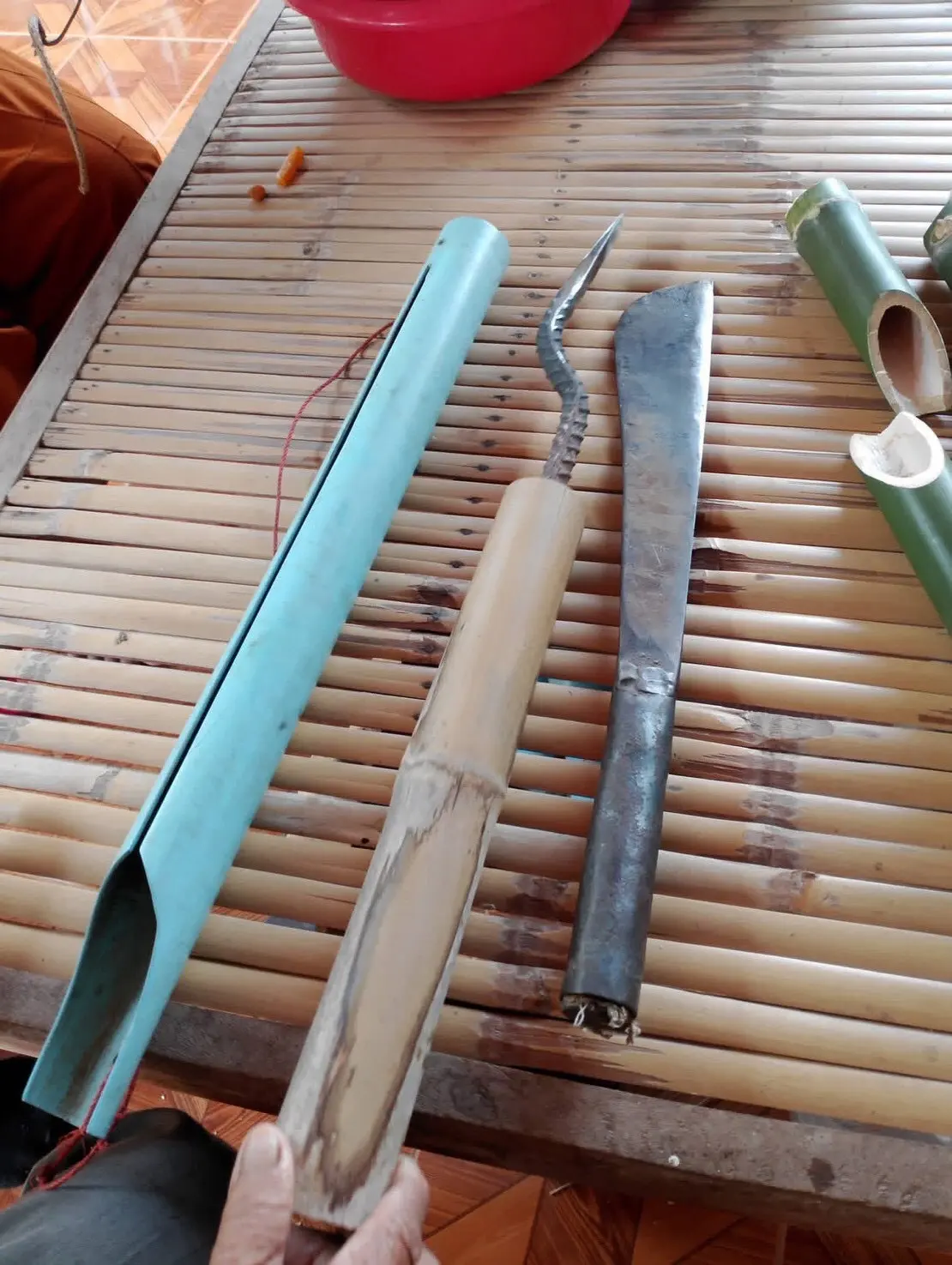
Planning it yourself?
What independent travellers usually book before they go, from providers that actually work

Thai language, pay in baht
 Photo: Nopparat thanatawan · CC BY-SA 4.0 · Wikimedia Commons
Compare many rental companies on one page

Popular with Thai travellers, Thai-language pages
Museum and landmark tickets, ready on your phone
Partner links · we may earn a small commission when you book, your price stays the same
Let Rin design a trip for your group