Weather and What to Wear in Iceland
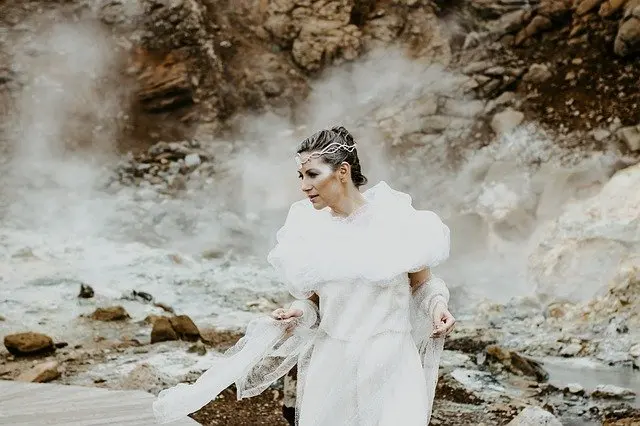
The weather in Iceland can change constantly. We recommend wearing several layers so you can add or remove clothing as conditions change.
Autumn and spring
(September to November and April to May)
These are the rainiest seasons in Iceland, so bring a waterproof outer layer and waterproof shoes. When sightseeing, nothing is worse than wet clothes and wet shoes. An umbrella doesn't always work in Iceland, as the wind is often so strong that it breaks umbrellas.
Winter in Iceland
(November to March)
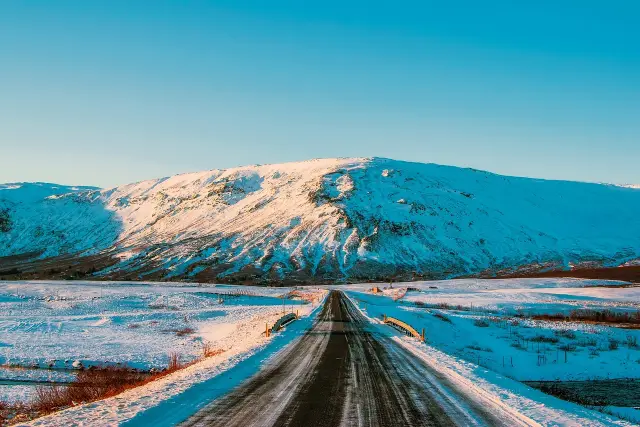
It can be cold, windy and icy. It is best to bring a thick winter jacket or coat (waterproof and windproof), a warm hat, gloves, a scarf or neck warmer, thick wool socks and insulated winter boots. Snow pants may not be necessary every day, but it doesn't hurt to wear windproof trousers over your regular ones, as the wind can be strong at this time of year. A face covering is also a good idea. Sidewalks and paths may be covered with ice and snow, so we sometimes recommend non-slip spikes for your shoes or boots. Remember that cafés, restaurants, bars and homes are all very warm because they use geothermal energy, so wear lighter layers underneath to avoid overheating indoors.
Planning it yourself?
What independent travellers usually book before they go, from providers that actually work

Thai language, pay in baht
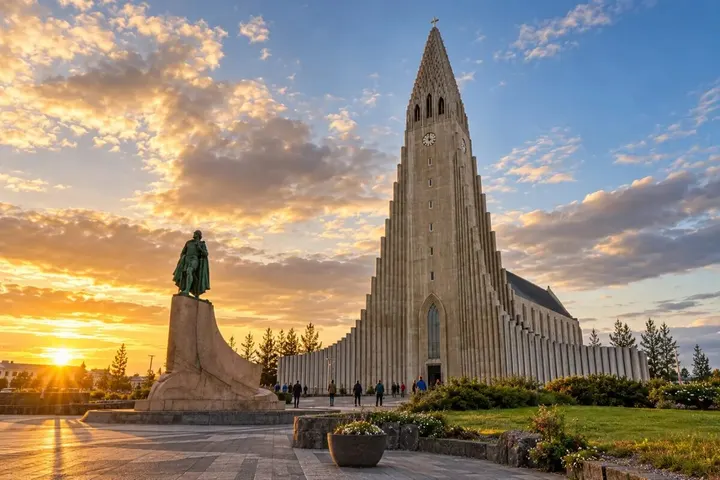
 Photo: Jakub Hałun · CC BY 4.0 · Wikimedia Commons
Compare many rental companies on one page
Popular with Thai travellers, Thai-language pages
Museum and landmark tickets, ready on your phone

Hotels near the station and old town, many with free cancellation

One way from about 14,289 baht (Dec 2026)
Partner links · we may earn a small commission when you book, your price stays the same
Let Rin design a trip for your group