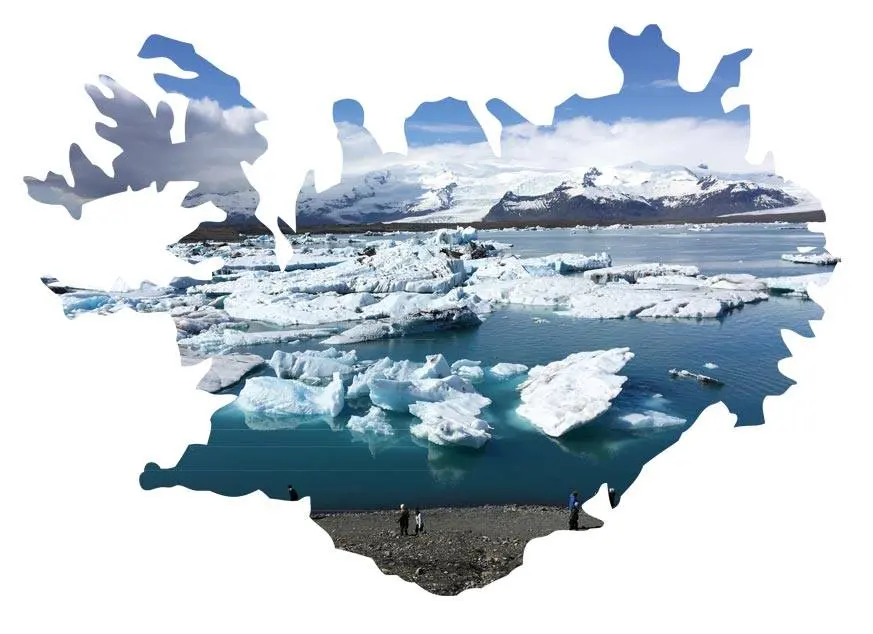
Iceland: Wonder of the World Where Fire and Ice Meet
Geographical Information
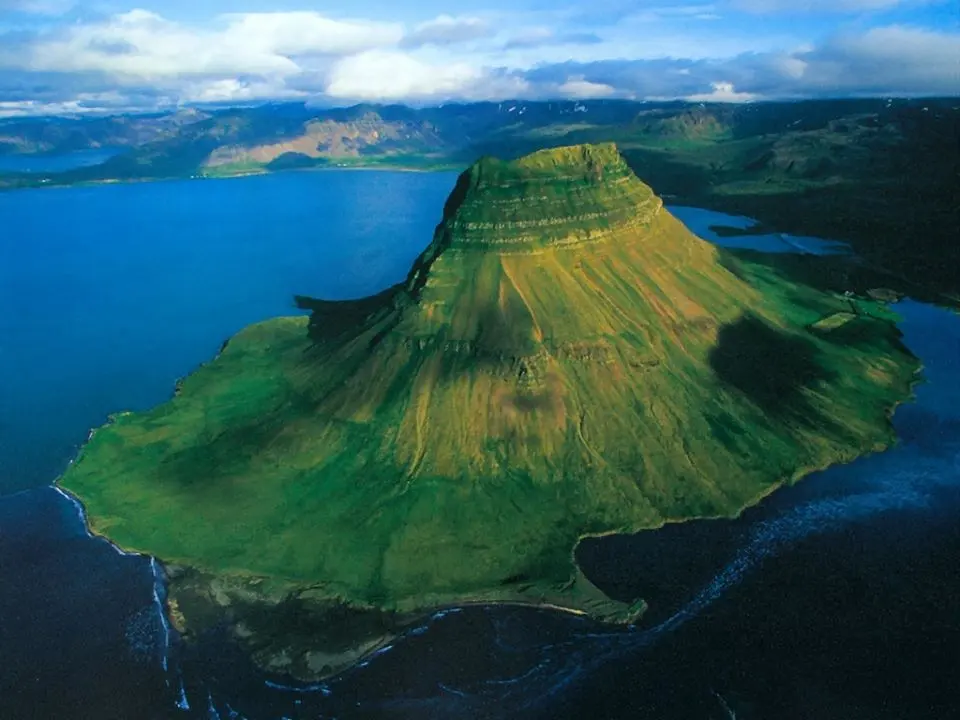
Our planet Earth was formed around 4,500 million (4.5 billion) years ago according to scientists. Iceland, however, began as a tiny island only 20 million years ago, eventually expanding to cover an area of 102,775 square kilometers.
1. Believe it or not, Iceland was born from two key forces: first, a volcanic hotspot powered by geothermal energy from deep within the Earth;
2. The Mid-Atlantic Ridge (scientists) that met at the right juncture pushed up the Earth's crust from beneath the ocean into fire + magma + fissures (millions of years ago), creating new land. Iceland is therefore situated on a ridge that is 16,000 kilometers long. 2. In 1783, the Laki volcano, a volcano that caused global-level devastation destroying life on this planet, stretching 26 kilometers in length, destroyed humans, plants, and animals. Iceland faced a situation "known as famine." The eruption of Laki and the resulting drop in global temperatures caused 120 million tons of sulfur dioxide to be spewed into the Arctic Circle, leading to droughts in North Africa and India. Approximately 20-25% of the population died during this famine, leading to cholera. Tens of thousands of Icelanders perished, and worldwide the number reached 2 million people. 2.1 Laki, a volcano from hell that became a major catastrophe for this world, killed Icelanders. Overall, it is estimated that over 10,000 people died in 1783-1786, or about 20% of the population. The population in that year was around 48,885, but by the end of 1786, only 38,368 people remained. Not only people perished; reports noted the death of 53% of cattle or 190,000, 82% of sheep, 77% of 28,000 horses, and the world's population in other countries totaled 2 million people, encompassing the disaster that spread across Europe with abnormal seasons of unusual cold, chills, and heat.
3. Beneath Iceland's Mount Hekla lies a deep fissure similar to Thingvellir, stretching approximately 8 kilometers.
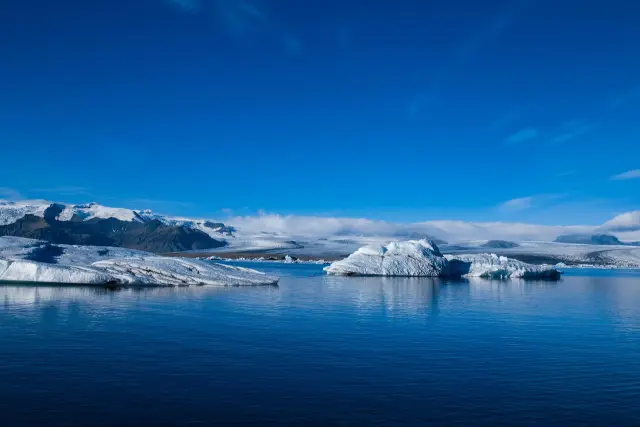
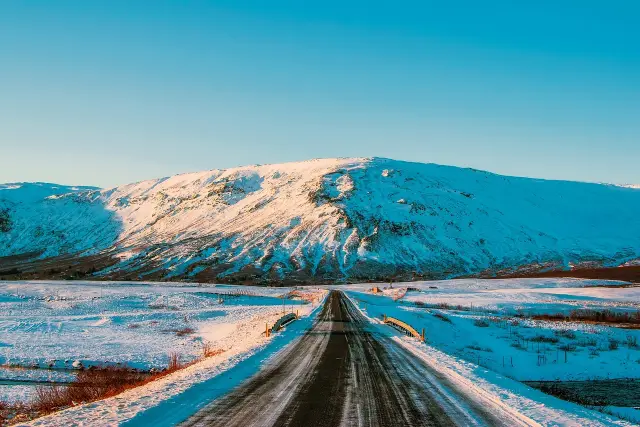
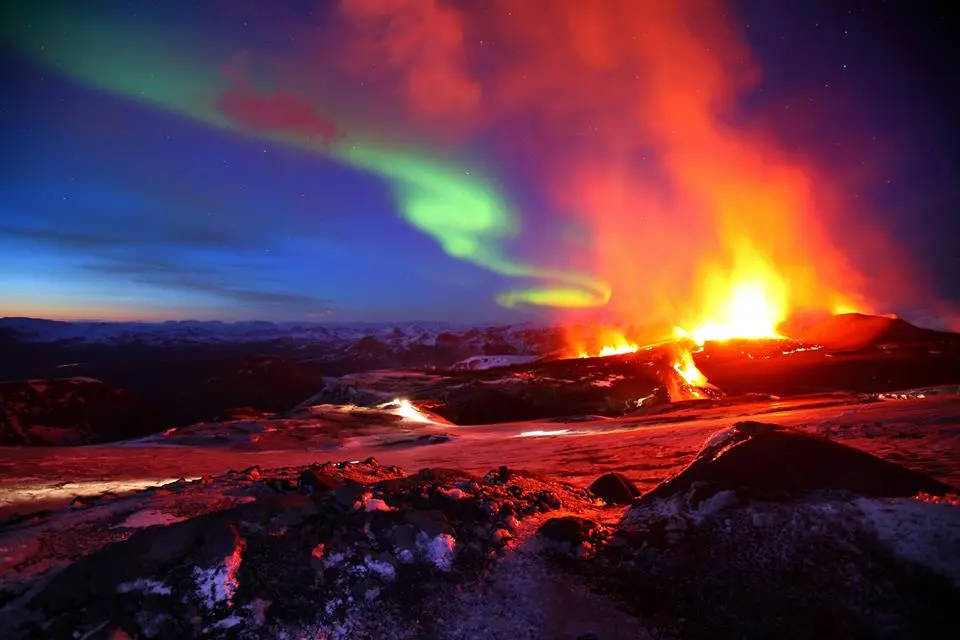
4. Iceland is celebrated as the land of fire and ice, where volcanoes represent fire and massive glaciers represent ice, with glaciers kilometers thick resting right above active volcanoes.
5. Iceland is known as the island with the highest concentration of volcanoes in the world.
6. Iceland possesses geothermal heat reaching 160 kilometers across and 640 kilometers deep, with temperatures soaring up to 900 degrees Celsius.
7. Iceland is widely regarded as one of the world's most fascinating geological classrooms.
8. Iceland is home to the largest glacier in Europe.
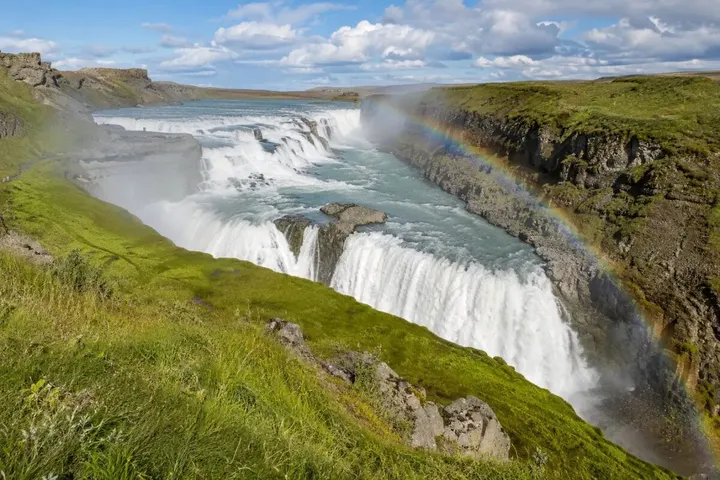
9. Iceland boasts Gullfoss Waterfall, ranked among the most beautiful waterfalls on the planet.
10. Iceland features Dettifoss Waterfall, Europe's most powerful waterfall, gushing at an astonishing rate of 200 cubic meters per second.
11. Iceland is home to Vatnajökull National Park, a UNESCO World Heritage site covering over 7,000 square kilometers.
12. Iceland accounts for nearly one-third of all lava produced by volcanic activity worldwide.
13. In 1963, a brand-new island emerged named Surtsey (often studied alongside Grimsey), marking new territory for Iceland.
14. Grimsey and Surtsey offer incredible living classrooms for understanding how Iceland was formed.
15. The world closely watches Iceland: if its glaciers ever completely melt, no one can calculate how devastating future volcanic eruptions could be for humanity.
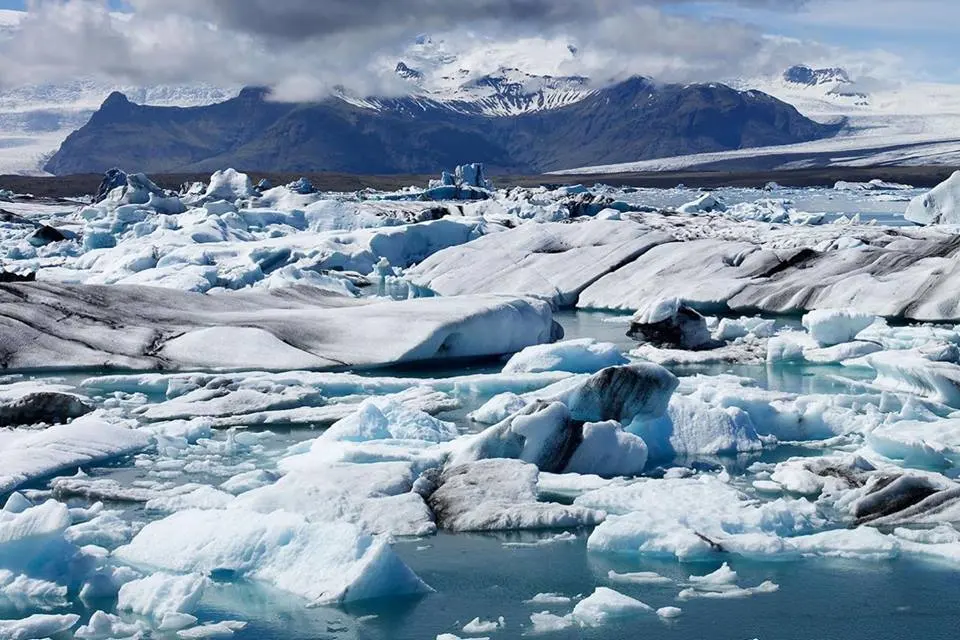
16. Iceland has ice covering 10 percent of the country's land area.
17. Iceland's glaciers move downwards by 2 feet per day.
18. Iceland's glaciers measure up to 1.8 kilometers high, with thickness in some places reaching 1 kilometer.
19. Iceland's ice age began disappearing starting from the most recent era, over ten thousand years ago.
20. The fjords of Iceland are more unique than those in other countries because they bear traces of covering glaciers; once the ice receded, erosion marks were left behind, which can be seen in the northern region of Iceland.
21. The fjords are unusually beautiful compared to other countries around the world. Iceland has hundreds, thousands of old and new waterfalls in a single place, and they are waterfalls that you can visit and experience up close.
22. Þingvellir, Iceland is pulling apart, dividing into North America and the United States by 1 inch each year driven by tectonic forces.
Credit:FB Page:pawatthaiicelandmedia iceland
Private tour in Iceland Link...
Planning it yourself?
What independent travellers usually book before they go, from providers that actually work

Thai language, pay in baht
 Photo: Jakub Hałun · CC BY 4.0 · Wikimedia Commons
Compare many rental companies on one page
Popular with Thai travellers, Thai-language pages
Museum and landmark tickets, ready on your phone
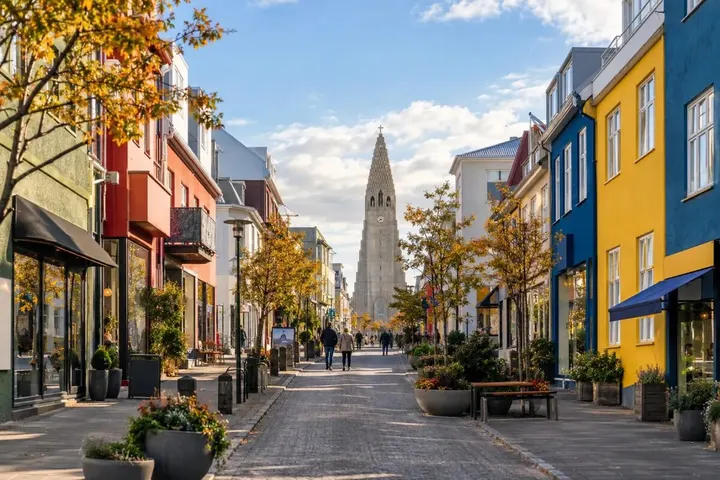
Hotels near the station and old town, many with free cancellation
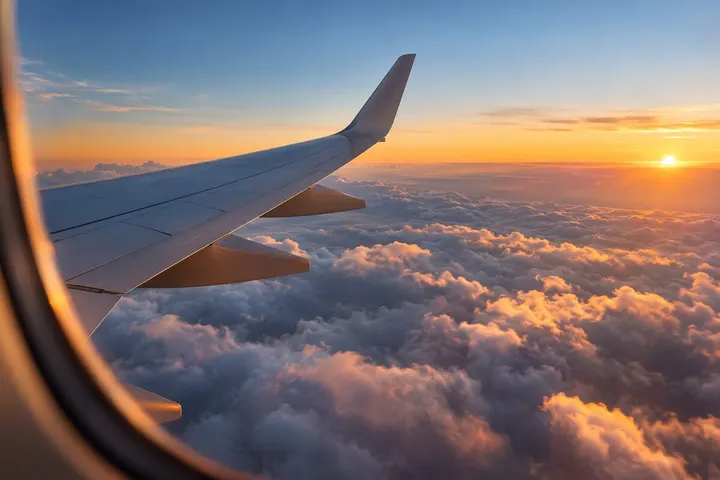
One way from about 14,289 baht (Dec 2026)
Partner links · we may earn a small commission when you book, your price stays the same
Let Rin design a trip for your group