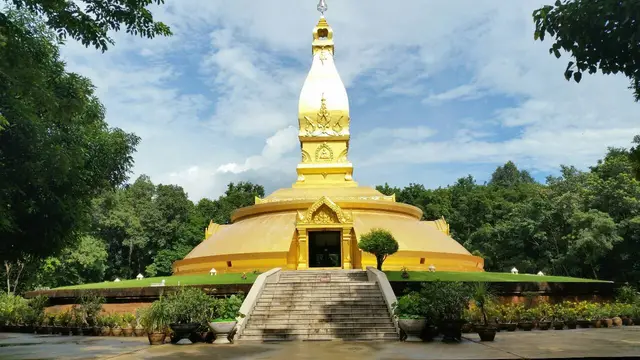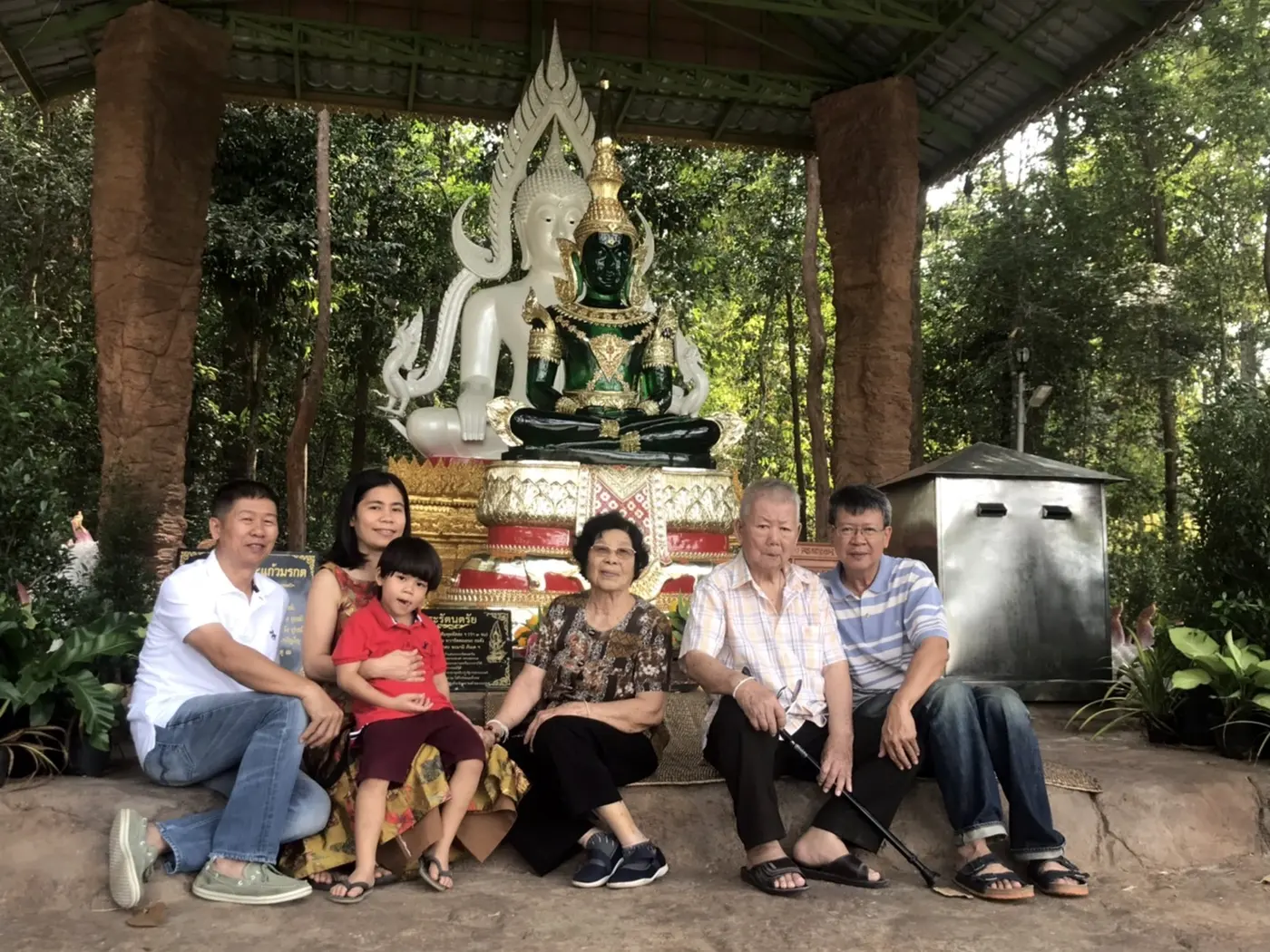
 Thailand
Ubon Tour Program: Ubon - Khua Noi Ban Chi Thuan - Khong Chiam 3 Days 2 Nights (LOVELY UBON 3 DAYS)
- 3 days 2 nights
- Private van + driver
- Flexible route
A full 3-day tour of Ubon Ratchathani covering all highlights, designed in 2-3 styles. This route is style number 2, distinguished by its complete blend of city sights and Khong Chiam, including 1 night soaking in the atmosphere in Khong Chiam and 1 night in the city center.
Day by day
Day 1 Ban Pa-ao - Wat Phra That Nong Bua - Wat Thung Si Wilai - Khua Noi Ban Chi Thuan
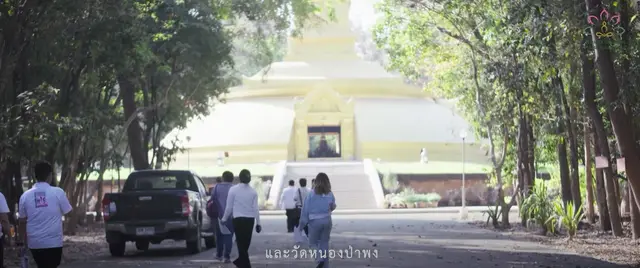
Day 1: In the morning, we pick you up at Ubon Ratchathani International Airport or other designated locations. Then, we take you to enjoy breakfast or lunch at recommended som tum restaurants (Wang Kaeo / Som Tum Pornthip / Som Tum Tho Bo / Sam Chai Kai Yang / Khrua Chakkraphat).
(P.S. If you arrive early in the morning or can be picked up early, we recommend joining in offering food to Buddhist monks at Wat Nong Pah Pong at 8:00 AM and paying respects to the relics of Luang Por Chah Subhaddo. This temple was established by Luang Pu Chah for meditation practice and mental training toward the true cessation of suffering according to the teachings of the Lord Buddha. Luang Pu emphasized monastic rules and a simple way of living in the forest close to nature. Throughout his life, Luang Pu Chah focused on teaching by example for his disciples, monks, novices, and laypeople.)
We take you to visit the weaving village and brass casting group at “Ban Pa-ao”. Visit the village that produces silk and pha kab bua, the traditional fabric of Ubon Ratchathani. In the past, this fabric was made only for household use; today, it has been developed to modern standards with higher quality and beauty. Also visit the production of brassware, a craft that generates significant income for the community, where brass products are entirely handmade—from molding and firing to detailed patterning.
Next, visit “Wat Phra That Nong Bua”, a Dhammayuttika temple, to admire the beauty of Phra That Chedi Sri Maha Pho, which was modeled after the Mahabodhi Temple in Bodh Gaya, India, and pay respects to the holy Buddha relics enshrined inside. Surrounding the stupa is a low enclosing wall with 4 small stupas at its 4 corners and entrances on 4 sides of the main stupa.
Afterward, pay respects at “Wat Thung Si Wilai” and worship Phra Phuttha Wiset, a laterite Buddha image in the meditation posture sheltered by a Naga, over 1,000 years old, considered the guardian Buddha of Ban Chi Thuan. It is believed that during the time Prince Krom Luang Sanphasit took Mom Chiang Kham as his consort, they came here to pray for a child and were granted their wish. Inside the vihara, there are also 2 sacred Buddha images: on the right is Phra Ruang Rojanarit, and on the left is Luang Pho Chaiyasit.
Mana De Cafe
And visit “Wat That Suan Tan”, where Phra That Suan Tan is the main stupa or chedi of the temple, constructed of brick and plastered with "phra thai"—a traditional mortar made by finely crushing stone mixed with sugarcane juice, bong tree resin, and dried roasted buffalo hide pounded together in an earthen pit into a uniform mixture, with quality and adhesion similar to cement. It is modeled in the shape of Phra That Phanom, with a base 30 feet wide and 60 feet high, estimated to have been built around 2245-2255 B.E. Remarkably, Phra That Suan Tan collapsed on Asalha Puja Day on the evening of July 23, 1975 (2518 B.E.), just 18 days before Phra That Phanom also collapsed.
In the evening, in a pleasant atmosphere, travel to visit “Khua Noi Ban Chi Thuan”, a bridge connecting Ban Nong Khaen and Ban Chi Thuan communities. Originally a dirt ridge across rice fields, villagers gathered leftover wood from cremations to build a bridge for easier crossing, and later organized a Thod Pha Pa merit ceremony to raise funds to build this concrete bridge. This bridge was born from the love and solidarity of the villagers themselves.
On the way back, stop for coffee at Mana De Cafe by the rice fields in a lovely atmosphere.
In the evening, we take you to have dinner at Ban Chan Hom, a cultural house with a great ambiance and local food, and transfer you to your hotel.
P.S. If visiting during the Candle Festival in July, you can watch the Candle Procession around Thung Si Mueang throughout the day.
Day 2 Kaeng Saphue - Khong Chiam - Two-Color River - Wat Phu Phrao
Enjoy breakfast at Pak Mor Robot, Sam Chai Coffee, Guay Jub Ocha Rot, or other eateries of your choice—we can tailor recommendations to your liking.
Then, travel to Phibun Mangsahan District to pay respects at “Wat Sa Kaeo” and worship “Phra Phue”, the sacred guardian image of Phibun Mangsahan. According to legend, both people and animals feared this pool because it was believed to be sacred; crystal-like lights were occasionally seen rising from the pool and darting west for a distance of 1 kilometer before landing on the mountain now known as Phu Khao Kaeo. At other times, crystal lights floated from Phu Khao Kaeo and descended into the pool, giving it the name Sa Kaeo. When a temple was built on the mountain, it was named Wat Phu Khao Kaeo, and when a temple was built near the pool, it was named Wat Sa Kaeo.
Travel to “Kaeng Saphue”, rapids filled with large and small alternating boulders forming a natural dam across the Mun River. As the water rushes against the rocks, it churns up white foam with the continuous sound of roaring water. Today, it is a bustling souvenir market. Stop to taste traditional steamed buns by Phibun Bridge.
Visit “Ban Sai Mun Gong-Making Village”, a community that crafts gongs for a living by shaping brass sheets into tuned gongs known for durability lasting longer than Burmese gongs. Gongs made here are in high demand across Thailand and exported abroad to Laos, Myanmar, Cambodia, the United States, France, England, the Netherlands, and Russia.
Pay homage at “Wat Tham Khuha Sawan” to revere the body of Luang Pu Khamkhaning Chulamani and view the world's largest gong. Depart for Khong Chiam and have lunch there.
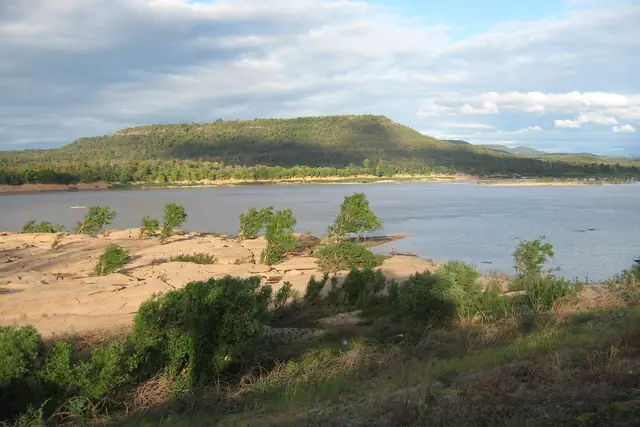
Visit the “2-Color River” at Wat Khong Chiam, a natural spectacle where two rivers merge, displaying contrasting colors between the Mun River flowing into the Mekong River. Especially during the rainy flooding season, the two rivers converging show two distinct colors on opposite banks clearly, known locally as “Khong of reddish mud, Mun of indigo blue.”
Stop by “Khwam Song Cham” coffee shop, a charming local cafe.
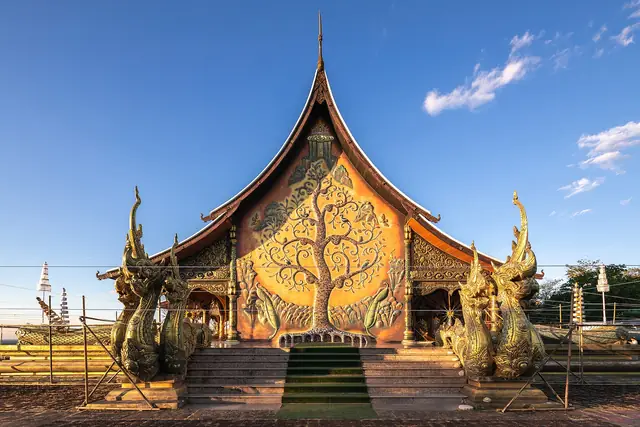
In the evening, travel to “Wat Phu Phrao” to watch the sunset at Wat Sirindhorn Wararam Phu Phrao and admire the glowing tree. The temple features a viewpoint overlooking the Mekong River, and the area behind the ordination hall provides sweeping scenic views of Laos and the Chong Mek international border checkpoint, along with the reservoir at the foot of the hill resembling a lake. During sunset, you can witness a large sun in a truly beautiful setting, followed by the glowing Kanlapaphruek (Tree of Life) in the evening.
In the evening, stay overnight at a riverside hotel along the Mekong in Khong Chiam District.
Day 3 Pattaya Noi - Wat Phu Lon - Wat Thung Si Mueang - Wat Maha Wanaram
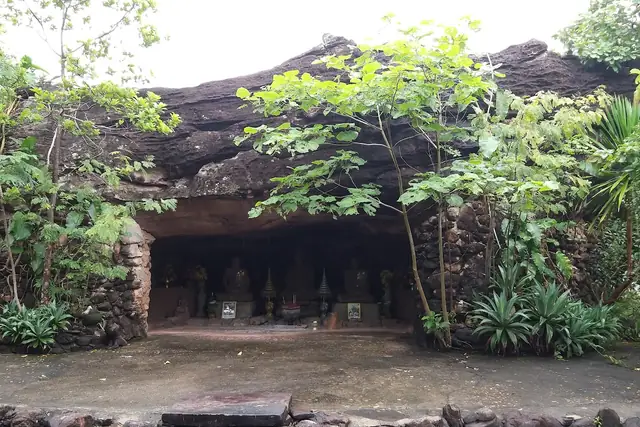
Depart from Khong Chiam, visit "Pattaya Noi" and “Wat Phu Lon”, a temple founded by Luang Pu Sao on an island in the Mun River with a peaceful setting. Pay respects to the relics of Luang Pu Sao, master of meditation masters, and the sacred Naga shrine by the river mouth.
Arrive in Ubon Ratchathani at noon. Have lunch at Kok Kham Restaurant, Lab Pet Kor Kaeo, or All New Papilio Coffee, recommended according to your preference.
In the afternoon, visit and pay respects at “Wat Thung Si Mueang” and admire the mid-water scripture hall (Ho Trai), a wooden scripture hall built in central Thai traditional style situated in the middle of a pond, blending Thai, Lao, and Burmese artistic traditions. The plain wooden walls feature traditional paneled craftsmanship, and the interior houses gold-lacquered scripture cabinets. The gabled roof blends Thai and Burmese styles with chofa, bai raka, nak sadung, and hang hong. The roof has 2 tiers, with wood carvings on both 2 gables in Lao art. The lower panels feature carvings of various zodiac animals, and the wooden roof brackets carved as 2 praying angels adorn the front doorway, with the rest depicting Nagas around the exterior.
Pay homage to Phra Chao Yai In Paeng at “Wat Maha Wanaram” or “Wat Pa Yai”, an ancient revered city temple founded in 2350 B.E. by Phra Khru Si Saddhammawongsa. Worship Phra Chao Yai In Paeng, the sacred Buddha statue deeply revered by the people of Ubon.
Take you shopping for Ubon souvenirs such as local sweets, Vietnamese sausage (moo yor), guay jub noodles, and silk souvenirs at Cafe Kham Pun.
Then, transfer you to the airport for your safe and memorable return flight to Bangkok.
Included
Not included
- Fuel refilled by traveler at actual cost; trip starts from our Ubon Ratchathani office
Things you can book yourself
What independent travellers usually book before they go, from providers that actually work
Thai language, pay in baht
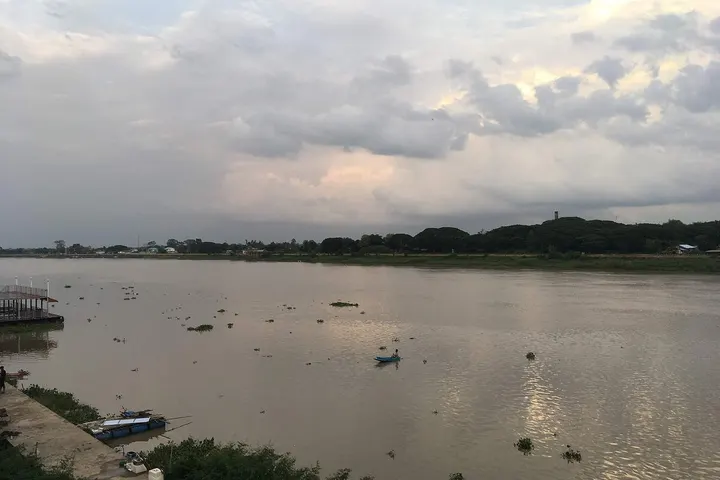 Photo: Christophe95 · CC BY-SA 4.0 · Wikimedia Commons
Arrive before the tour starts or stay on a few days; pick a hotel near the station yourself
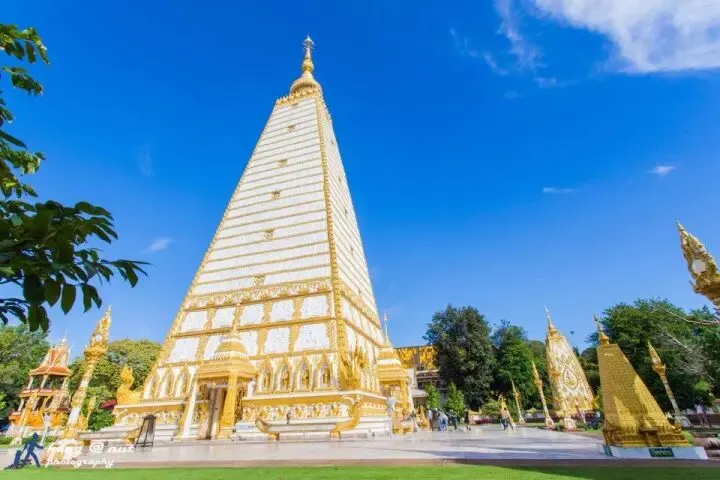
Sightseeing tickets, booked ahead, no queue
Popular with Thai travellers, Thai-language pages
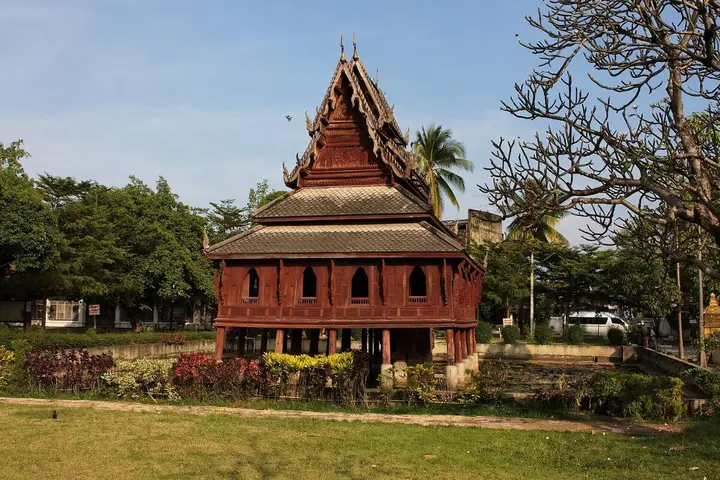 Photo: Ddalbiez · CC BY 3.0 · Wikimedia Commons
City tours with transport and guide, book ahead
Back the same evening, transport and guide included, pick your date
Partner links · we may earn a small commission when you book, your price stays the same
The See You Again team on this route
Our team for Thailand — name the person you would like in your quote request.
Similar programmes
 1 day
Amnat Charoen 4-Day Private Tour
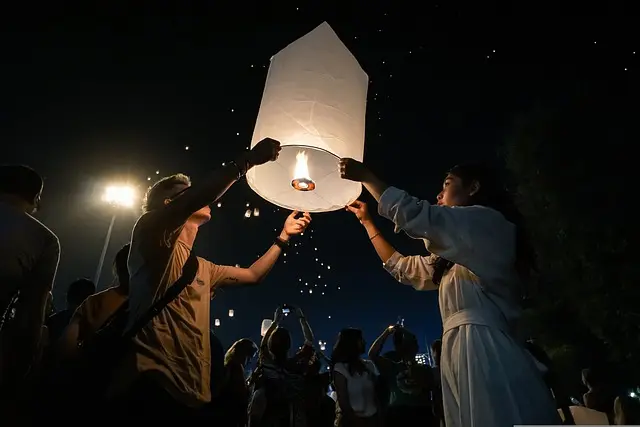
Private Tour Guide in Chiangmai
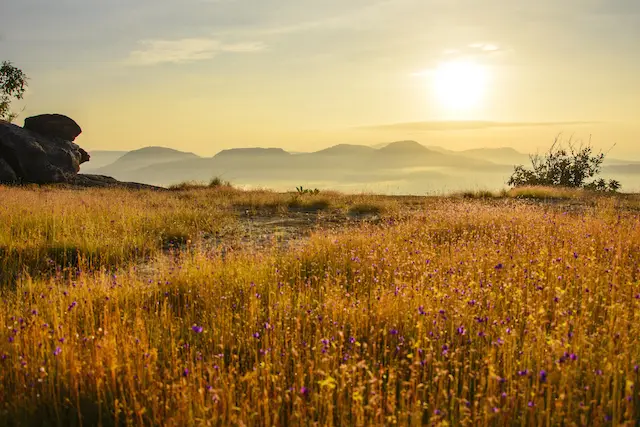
Ubon Flower Fields Private Tour (October - December only)