Sri Lanka Private Tour (SRI003) Pilgrimage Tour - Sacred Heritage and Historic Cities: Exploring Sri Lanka 7 Days 5 Nights
- 7 days 5 nights
- Private van + driver
- Flexible route
Known as the “Pearl of the Indian Ocean,” Sri Lanka offers a captivating blend of cultural gems and natural wonders. Its breathtaking landscape features lush tropical rainforests, expansive shimmering lakes, and magnificent mountain ranges. It is also home to awe-inspiring temples and ancient monuments for an unforgettable 7-day, 5-night spiritual pilgrimage.
Day by day
Day 1 Bandaranaike International Airport - Anuradhapura - Ruwanwelisaya
Meet our coordinator at Suvarnabhumi Airport at the SriLankan Airlines counter for your flight to Bandaranaike International Airport (flight time: approx. 3.5 hours).
Upon arrival in Sri Lanka, proceed with Visa on Arrival formalities (Sri Lanka time is 1 hour and 30 minutes behind Thailand).
After departing the airport, enjoy lunch before traveling onward to Anuradhapura (distance: 205 km, approx. 4 hours and 10 minutes).
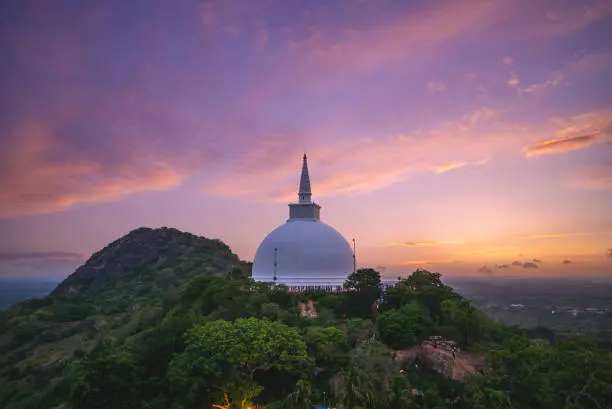
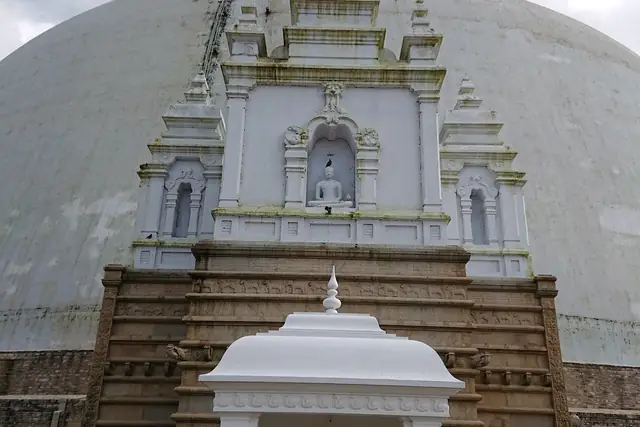
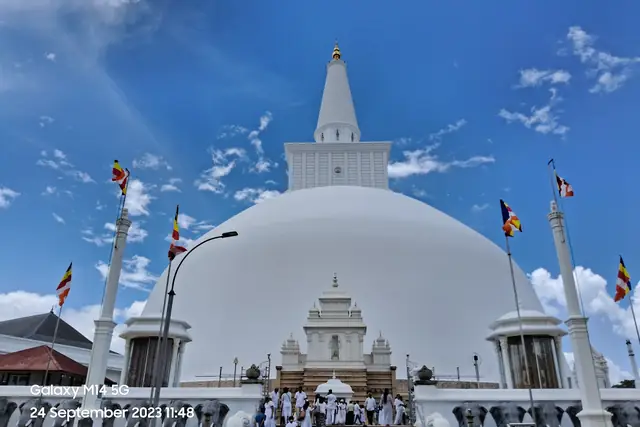
In the afternoon, begin with a visit to Ruwanwelisaya Stupa (Ruwanwelisaya). Also known as Maha Stupa Ruwanweli, it is one of the most sacred and significant stupas in Sri Lanka.
Located in Anuradhapura, it was built in the 2nd century BC by King Dutugemunu, a great king in Sri Lankan history.
The stupa is also renowned for its bubble-shaped dome, which historically symbolized completeness and peace.
Surrounding the stupa is a spacious courtyard for worship, where visitors and pilgrims walk around the stupa to pay their respects.
You can also admire the ancient architecture and exquisite decorative motifs on the stupa's base terrace.
Continue with a meditation session at Ruwanwelisaya, allowing you to experience the spiritual energy and sacred atmosphere of this holy site.
Throughout the meditation, listen to the natural surroundings and the chants of visiting pilgrims, enhancing a sense of inner peace and fostering deeper mindfulness.
After the meditation session, enjoy dinner and check in to your hotel for an overnight stay.
Overnight : Rajarata Hotel Anuradhapura, a 4-star hotel (or equivalent)
Day 2 Mihintale - Forest Monastery - Lovamahapaya - Isurumuniya Temple - Ruwanwelisaya - Samadhi Buddha - Kuttam Pokuna - Thuparamaya
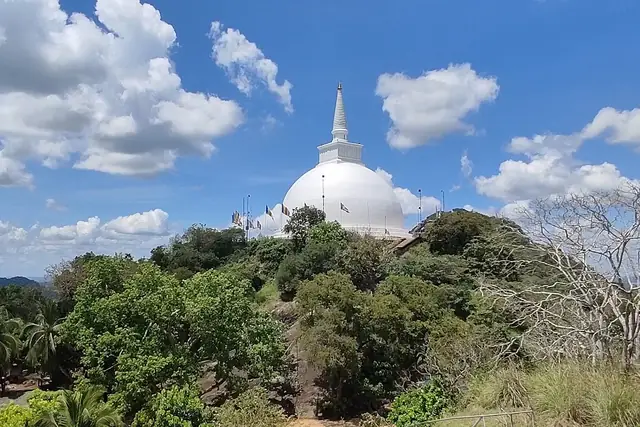
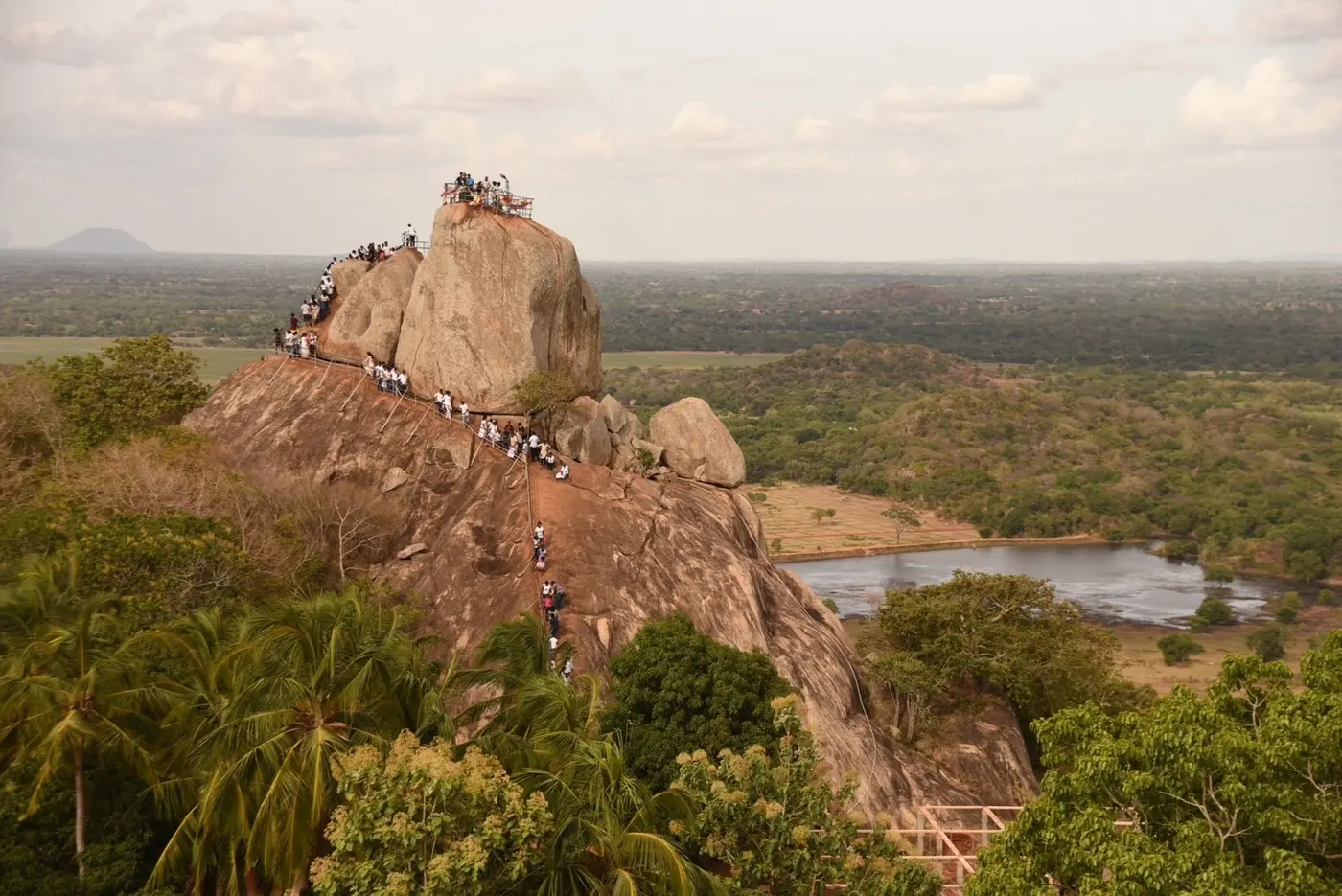
Start the morning early at 05:00 with a journey to Mihintale to watch the sunrise from the hilltop, a beautiful and serene viewpoint. Mihintale is a mountain peak near Anuradhapura.
It is believed to be the place where Arahat Mahinda met King Devanampiya Tissa, marking the beginning of Buddhism in Sri Lanka. Today, Mihintale is an important pilgrimage site featuring many fascinating religious monuments.
Afterward, return to the hotel for breakfast.
(Optional - You may visit a Forest Monastery to participate in a meditation program if desired.)
After breakfast, return to Anuradhapura to begin exploring key historical sites, starting with Sri Maha Bodhi.
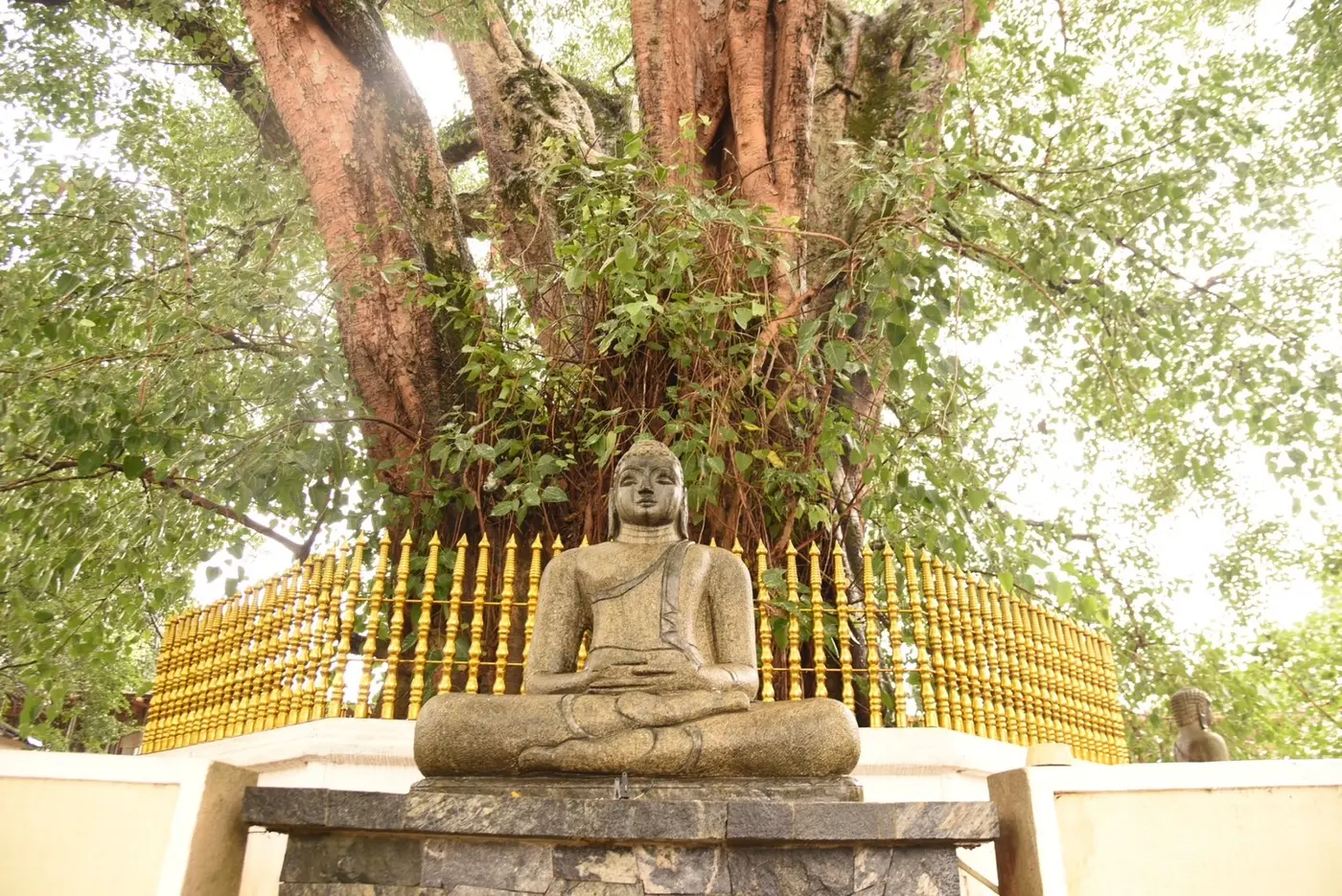
This sacred Bodhi tree is over 2,200 years old and is believed to have grown from a sapling brought from the original Bodhi tree in India under which the Buddha attained enlightenment.
Next, visit Lovamahapaya, also known as the Brazen Palace, built in the 2nd century BC by King Dutugemunu, who played a major role in establishing and reviving Buddhism in Sri Lanka.
Lovamahapaya was once a grand monastery rising 9 stories high, supported by 1,600 stone pillars with a roof covered in bronze tiles, earning it the moniker "Brazen Palace." It once served as the residence for numerous monks.
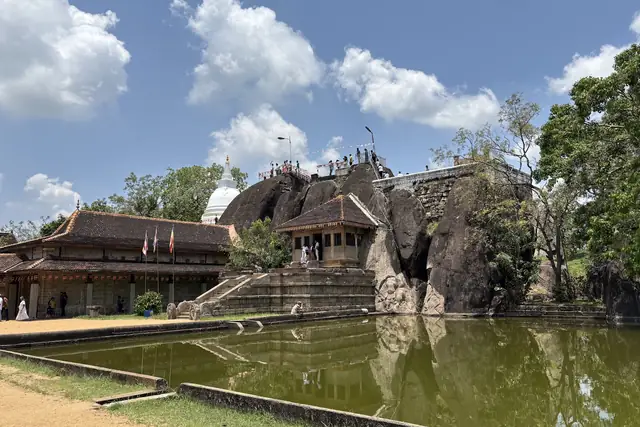
Next, visit Isurumuniya Temple (Isurumuniya), a famous ancient rock temple in Anuradhapura. Built in the 3rd century BC by King Devanampiya Tissa, who was instrumental in propagating Buddhism across Sri Lanka, Isurumuniya is uniquely built into a massive rock cliff, offering a peaceful atmosphere ideal for meditation.
Highlights of Isurumuniya Temple include: 1. The rock carving “Isurumuniya Lovers” (Isurumuniya Lovers), considered one of the temple's most celebrated treasures.
2. Elephant Carvings: another significant carving depicting several elephants carved into the rock face near the pond.
Day 3 Ancient Pond (Pond): An ancient pond within the temple grounds set against the rock cliff, believed to have been used in the past by monks for ritual purification before meditation.
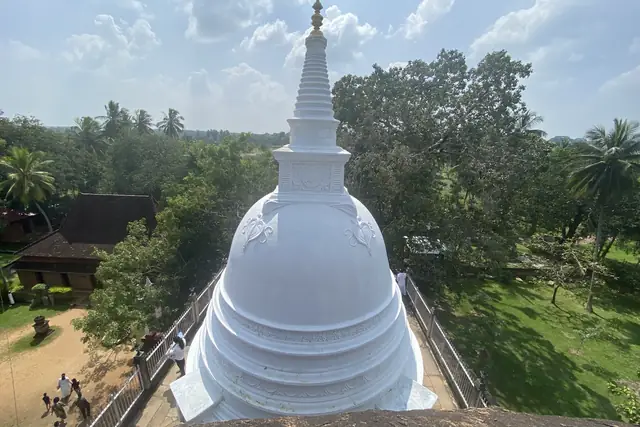
Day 4 Peaceful Atmosphere: Isurumuniya Temple is surrounded by nature, creating a serene environment ideal for mental relaxation and meditation.
Afterward, enjoy lunch.
In the afternoon, you can optionally visit the following additional key sites:
Ruwanwelisaya (Ruwanwelisaya) is the most famous stupa in Sri Lanka and is known as Maha Stupa Ruwanweli, one of the most sacred and important stupas in Sri Lanka.
Ruwanwelisaya (Ruwanwelisaya) is the most famous stupa in Sri Lanka and is known as Maha Stupa Ruwanweli, one of the most sacred and important stupas in Sri Lanka.
Samadhi Buddha (Samadhi Buddha) is one of the most famous and important Buddha statues in Sri Lanka. Created in the 3rd century BC, it showcases the extraordinary artistic skill of ancient sculptors.
Samadhi Buddha (Samadhi Buddha) is one of the most famous and important Buddha statues in Sri Lanka. Created in the 3rd century BC, it showcases the extraordinary artistic skill of ancient sculptors.
Kuttam Pokuna, also known as the Twin Ponds, is a pair of bathing pools for monks from the ancient era and a renowned archaeological site in Anuradhapura, Sri Lanka. Built around the 3rd century BCE, these twin ponds are an outstanding example of ancient Sri Lankan pool-engineering craftsmanship.
Kuttam Pokuna, also known as the Twin Ponds, is a pair of bathing pools for monks from the ancient era and a renowned archaeological site in Anuradhapura, Sri Lanka. Built around the 3rd century BCE, these twin ponds are an outstanding example of ancient Sri Lankan pool-engineering craftsmanship.
Thuparama Dagoba is the first and oldest stupa in Sri Lanka, built to enshrine the sacred relic of Lord Buddha. King Devanampiya Tissa commissioned its construction in the 3rd century BCE.
Thuparama Dagoba is the first and oldest stupa in Sri Lanka, built to enshrine the sacred relic of Lord Buddha.
Commissioned by King Devanampiya Tissa in the 3rd century BCE.
Afterward, we take you for dinner and check in for an overnight stay at the hotel.
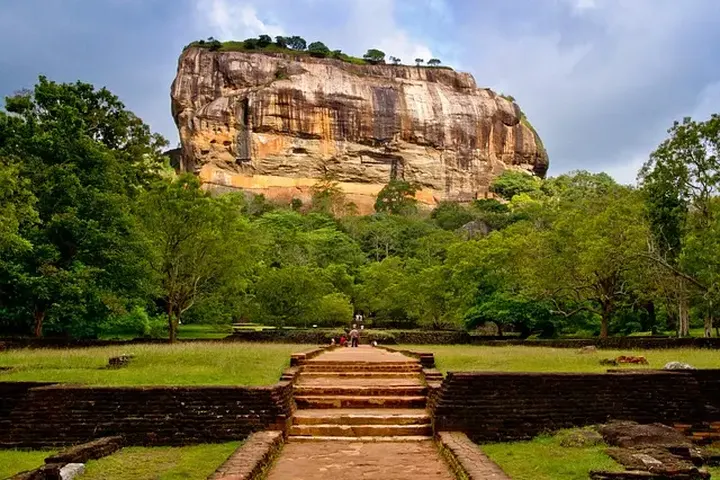
Day 3: Sigiriya - Sigiriya Rock Fortress - Water Gardens - Mirror Wall - Lion Platform - Rock Frescoes
After breakfast, travel to Sigiriya today to climb the Sigiriya Rock Fortress.
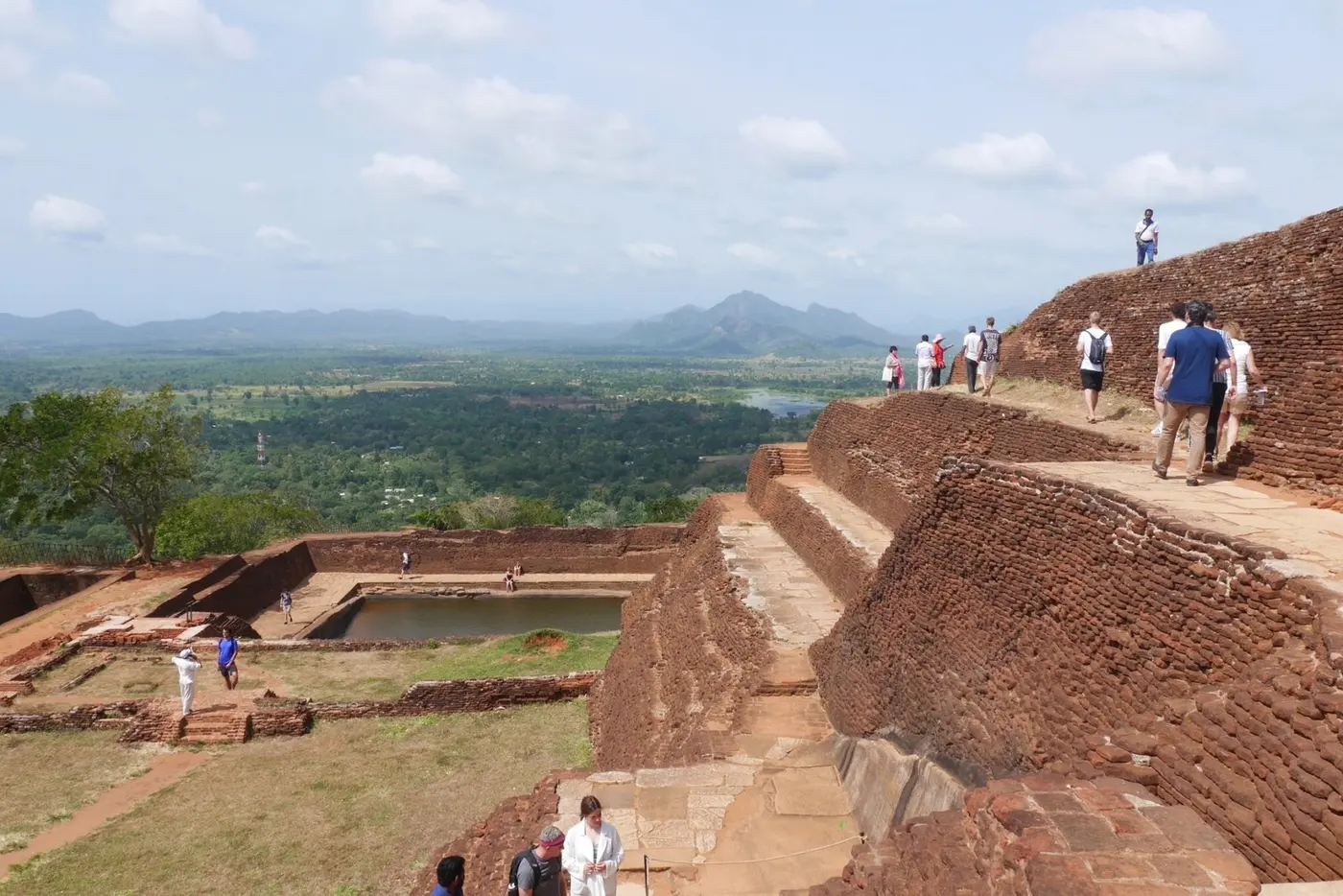
Sigiriya is an ancient rock fortress and palace atop a summit reaching 200 meters high, with a plateau covering 1.6 hectares that was once completely covered with buildings.
Built during the reign of King Kashyapa on a sheer rock rising 200 meters above the surrounding forest, Sigiriya served as the heart of a fortified ancient city. The base of Sigiriya Rock is surrounded by moats, defensive ramparts, and beautifully landscaped gardens.
In ancient times, the gateway to the summit passed through the open jaws of a colossal lion, though today only its massive lion paws remain as a testament to its former grandeur.
It is designated as a UNESCO World Heritage Site and is considered one of Sri Lanka's most iconic attractions.
This rock fortress is renowned for many spectacular features, including the Water Gardens and the Mirror Wall featuring ancient inscriptions and graffiti,
the Lion Platform, and the rock frescoes of beautiful maidens, world-renowned paintings that once numbered up to 500.
Today, only 19 frescoes survive. Painted with natural pigments on wet plaster in high rock alcoves, they are reached via an ancient spiral staircase.
Enjoy lunch at Tropical Village Restaurant, Dambulla.
In the afternoon, we take you to participate in a meditation session at the hotel or a nearby venue around Anuradhapura.
Enjoy dinner and stay overnight at the resort.
Day 4: Dambulla Cave Temple - Spice Garden - Matale - Temple of the Tooth Relic - The Octagon - Kandy
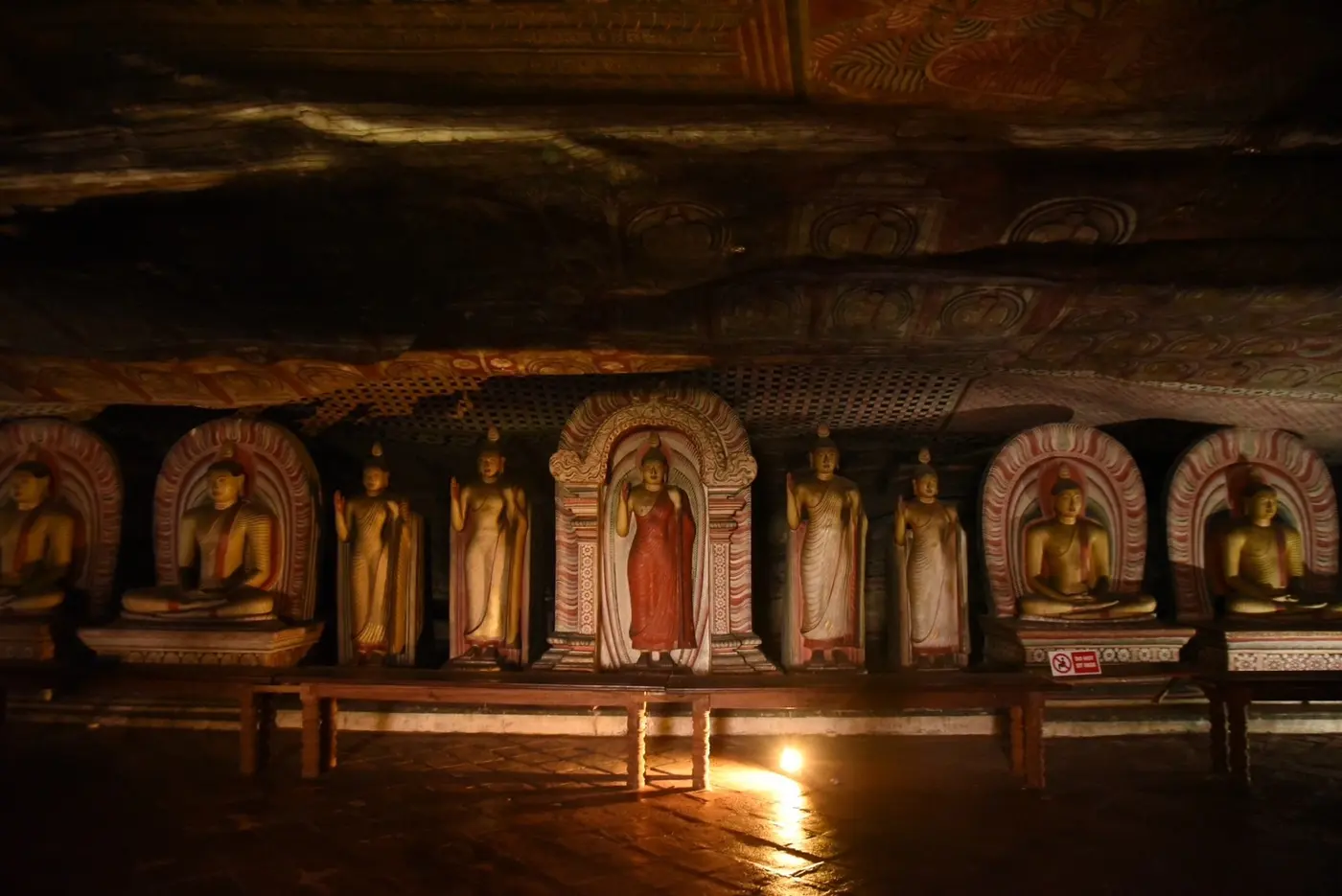
After breakfast, we depart for Kandy, stopping along the way to visit the Dambulla Cave Temple (Dambulla Rock Cave Temple).
Dambulla Cave Temple is located in Sri Lanka's North Central Province and is designated as a UNESCO World Heritage Site.
Dating back to the 1st century BCE, this cave temple originally served as a sanctuary for an ancient king in exile; upon regaining his throne, he commissioned the magnificent carvings inside the caves.
Later monarchs carried out restorations and embellishments, resulting today in over 150 Buddha statues and carvings, the largest of which spans 15 meters in length.
Inside, there are also ancient inscriptions dating back to the 2nd century BCE and murals predominantly executed in the Kandy style from the early 19th century.
Dambulla Cave Temple is an ideal place to witness the evolution of ancient Sri Lankan art and is an invaluable historical treasure, blending artwork and relics across multiple eras.
Next, we continue our journey to Kandy, stopping to explore a spice garden in Matale.
Stop for lunch at the spice garden in Matale.
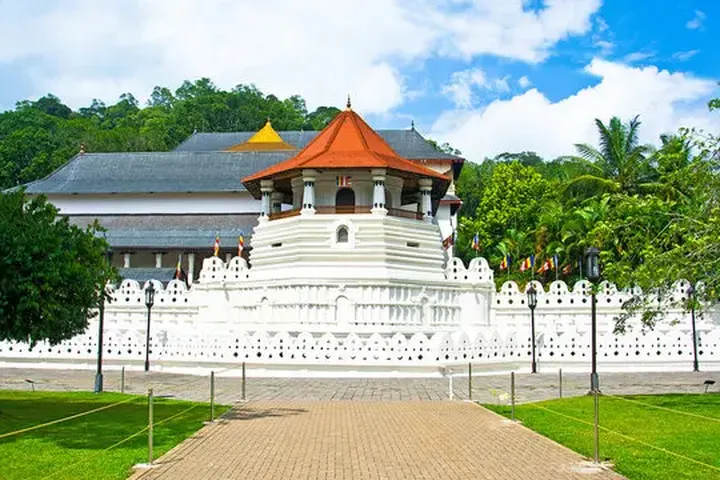
In the afternoon, we take you to visit the Temple of the Tooth Relic (Sri Dalada Maligawa) to pay homage to the sacred tooth relic of Lord Buddha.
The Temple of the Tooth Relic (Sri Dalada Maligawa) is the most revered temple for Sri Lankan Buddhists, nestled in the heart of the hill capital of Kandy.
This sacred shrine houses the relic of the tooth of the Buddha and is famed for its exquisite carvings and distinctly Sri Lankan craftsmanship.
A highlight of the temple is the Octagon (Pathirppuwa), which is its most prominent landmark and a priceless heritage treasure. The Temple of the Tooth Relic is venerated as the holiest temple in Sri Lanka,
serving as a premier pilgrimage destination for Buddhists around the world.
Afterward, continue with a brief sightseeing tour around Kandy.
Enjoy dinner and stay overnight at The Golden Crown Hotel, a 5-star hotel.
Overnight : The Golden Crown Hotel, a 5-star hotel (or equivalent)
Day 5 Temple of the Tooth Relic - Galle - Galle Fort - Ramparts
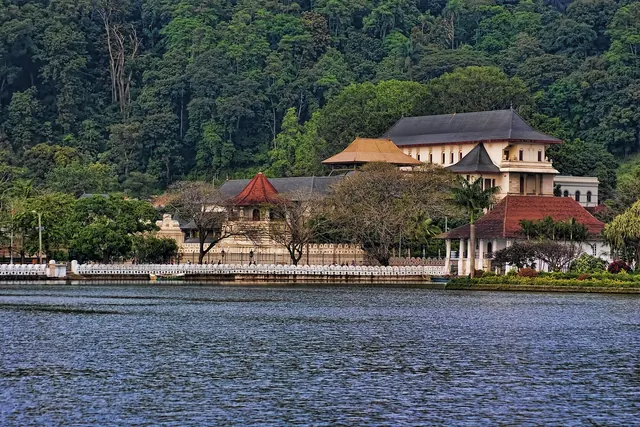
Start your morning with a visit to pay respects at the Temple of the Tooth Relic for good fortune and blessings. Afterwards, enjoy breakfast, and we will take you to Galle.
Galle is a historic city and the largest port city in southern Sri Lanka, located on the southwestern coast about 119 kilometers from Colombo.
This city is the capital of the Southern Province and Galle District. Before the Portuguese arrived in the 16th century, Galle served as the main seaport of the island of Sri Lanka, as recorded by the Moroccan traveler Ibn Battuta
in the 14th century, noting it as one of the most important maritime trading hubs in South Asia. During the 18th century, Galle reached its peak of prosperity under Dutch rule.
Galle Fort, a UNESCO World Heritage Site, is considered the finest example of a fortified city built by Europeans in South and Southeast Asia,
showcasing the harmonious blend of European architecture and local culture.
Stop for lunch at a local restaurant.
In the afternoon, enjoy a walking tour of Galle along the Rampart walls. The fortress was built by the Dutch in 1649 and was continuously reinforced
into the largest remaining fortress in Asia built by Europeans, remarkably well-preserved to this day, with its own rich history and unique character.
From here, you can take in panoramic views of the city and the ocean. Afterwards, we take a tuk-tuk ride back to our bus.
Enjoy dinner and stay overnight at the hotel.
Overnight : Araliya Beach Resort & Spa Unawatuna is a 5-star resort.
Day 6 Kelaniya Raja Maha Viharaya - Kelaniya - Lotus Tower - Old Parliament Building - Galle Face Green - Independence Square - Pettah Market - Gangaramaya Temple - Beira Lake
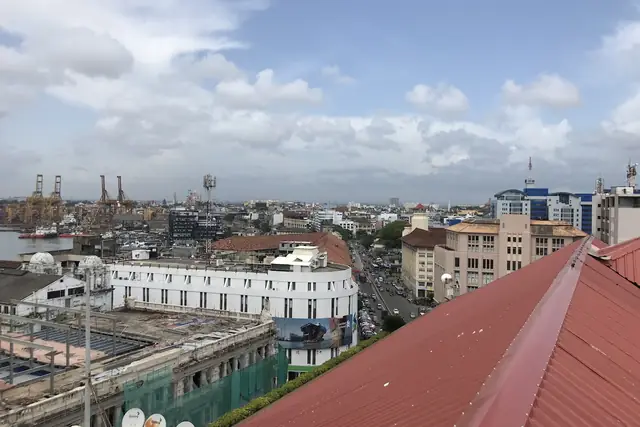
After breakfast, we depart for Colombo. Colombo is a growing city where modern skyscrapers rise where old buildings once stood,
yet parts of it still retain their old-world charm, with a 100-year-old clock tower and numerous British colonial-era buildings still visible throughout the city.
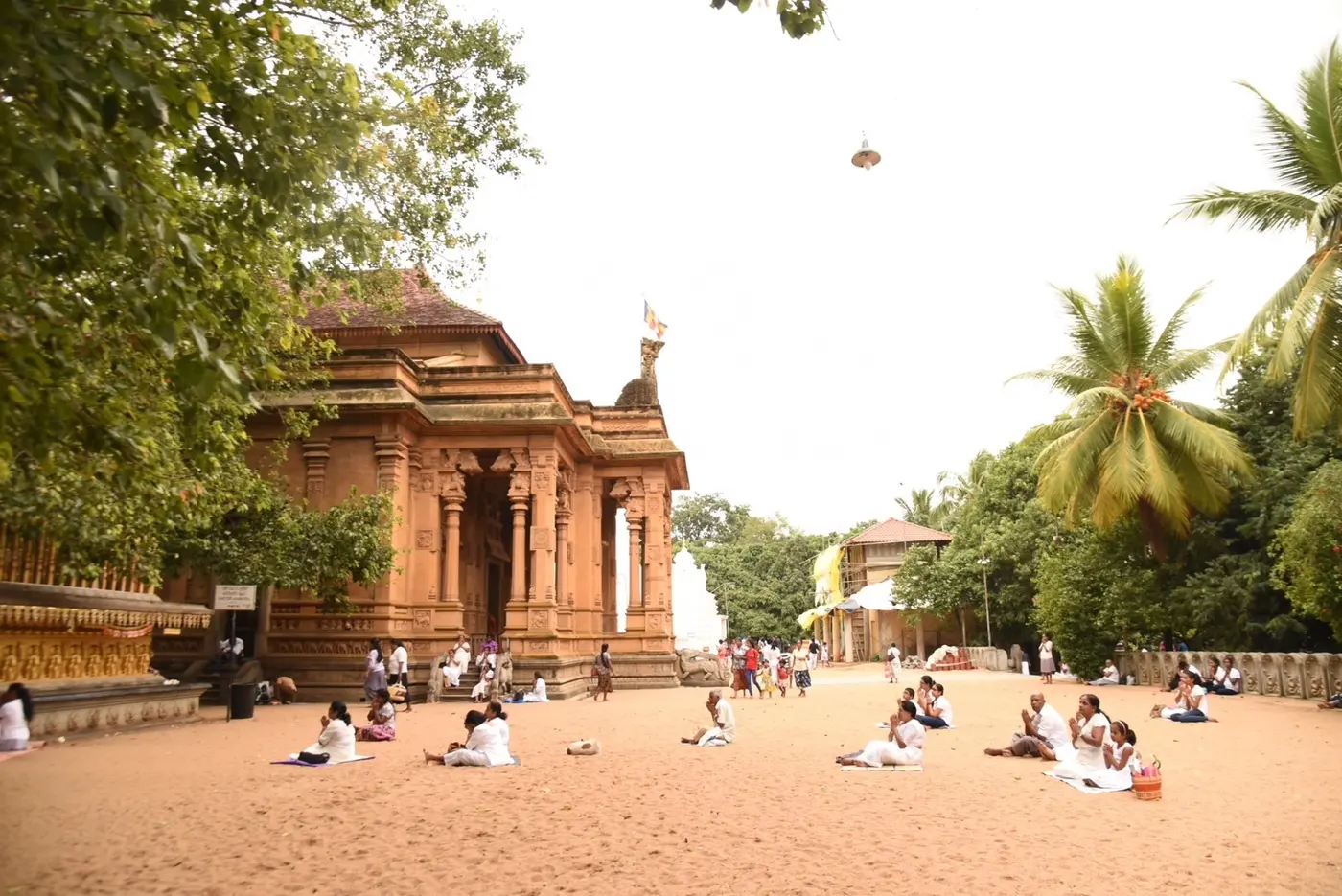
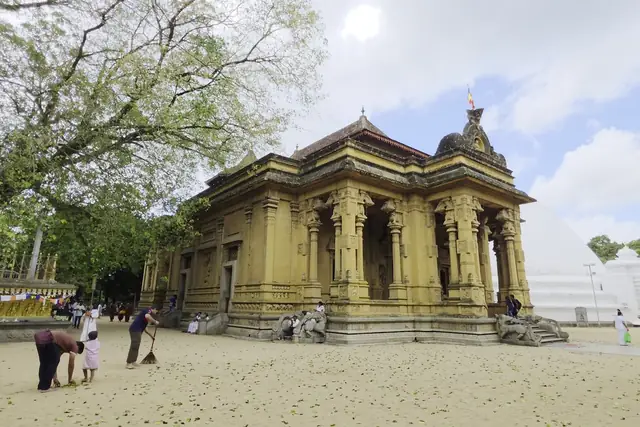
We take you to visit Kelaniya Raja Maha Viharaya, located in the town of Kelaniya, about 11 kilometers from Colombo.
This temple is one of the most important Buddhist sites in Sri Lanka and is revered as a sacred place associated with the visits of Lord Buddha. According to Buddhist tradition,
it is believed that Lord Buddha visited this site on his third visit to Sri Lanka to preach the Dhamma to the locals. The temple has been restored several times throughout history,
especially during the reigns of various Sri Lankan kings, as well as restorations during the colonial era.
The temple's main stupa is prominent and serves as the center of worship, and the temple features magnificent murals depicting Buddhist stories and key historical events of Sri Lanka.
Inside the temple, there are several important Buddha statues that attract tourists and pilgrims alike, with the temple seamlessly blending ancient art and modern design.
Furthermore, the temple is situated in a tranquil, sacred setting, ideal for meditation and worship.
It also hosts the annual Duruthu Perahera festival every January, a grand and significant Buddhist procession featuring decorated elephants, music, and cultural performances.
Here, you can learn about Buddhist history and the temple's role in the heritage of Sri Lanka.
Kelaniya Raja Maha Viharaya is therefore both a revered place of worship and an important cultural and historical center, perfect for anyone interested in Sri Lankan religion, history, and art.
Enjoy lunch at a local restaurant.
Afternoon: Take a city tour of Colombo and enjoy some shopping, visiting many wonderful highlights including:
Lotus Tower, the tallest structure in Sri Lanka. It serves as a telecommunications tower and a major landmark of Colombo, symbolizing modern Sri Lanka. Standing approximately 350 meters tall, it is the tallest tower in South Asia. Lotus Tower is designed in the shape of a lotus flower, a sacred flower in Sri Lankan culture, featuring a circular base and a petal-shaped crown adorned in vibrant colors that reflect natural beauty and cultural symbolism.
Lotus Tower, the tallest structure in Sri Lanka, is a telecommunications tower and a prominent Colombo landmark that symbolizes modern Sri Lanka.
Standing approximately 350 meters tall, it is the tallest tower in South Asia, characterized by its distinctive lotus-flower design, a sacred flower in Sri Lankan culture.
The tower consists of a circular base and a multicolored lotus petal-shaped top, reflecting natural elegance and culturally meaningful design.
Old Parliament Building is a historically and politically significant building in Sri Lanka, located in Colombo along the coast near Galle Face Green. Built during British colonial rule in 1930, it served as Sri Lanka's parliament building until 1983 before parliament moved to the new complex in Sri Jayawardenepura Kotte. Beyond its stunning colonial architecture, the building holds sentimental value for the people of Sri Lanka as a symbol of the nation's transition and prosperity.
Old Parliament Building is a historically and politically significant landmark in Sri Lanka, located along the coast in Colombo.
Near Galle Face Green, this building was constructed during British rule in 1930 and served as Sri Lanka's Parliament building until 1983,
before the parliament relocated to the new Parliament building in Sri Jayawardenepura Kotte. This building not only boasts gorgeous colonial architecture, but also holds emotional value for Sri Lankans
as a landmark of national transition and prosperity.
Galle Face Green is a famous coastal promenade and a favorite relaxation spot for the people of Colombo. Established during the British colonial era, this seaside green was originally used for sports such as horse racing, archery, and cricket.
Galle Face Green is a famous coastal promenade and a favorite relaxation spot for the people of Colombo. Established during the British colonial era,
it was used as a venue for sports such as horse racing, archery, and cricket.
Independence Square, also known as Independence Memorial Hall, was built to commemorate Sri Lanka's independence from British colonial rule on February 4, 1948.
Independence Square, also known as Independence Memorial Hall, was built to commemorate Sri Lanka's independence from British colonial rule on February 4, 1948.
The monument is designed in traditional ancient Sri Lankan architectural style, reminiscent of the royal hall of the Kingdom of Kandy. It features a grand open hall with a high roof supported by elegant stone pillars, radiating a dignified and graceful atmosphere.
Independence Square stands as a proud symbol for Sri Lankans, commemorating the nation's efforts and success in gaining freedom from British rule. It is also the ceremonial venue for major national events, such as the annual Independence Day celebrations.
Pettah Market is the oldest and most famous open-air bazaar in Colombo, Sri Lanka, located close to the central commercial district and the main railway station. Pettah is a vast market offering a wide selection of goods at affordable prices, from fresh produce, fruits, clothing, and household items to local spices and jewelry. Renowned for its vibrant, bustling energy, it draws crowds from all walks of life—both lively vendors and shoppers looking for great bargains—making Pettah a true trading hub and cultural melting pot.
Pettah Market is the oldest and most famous market in Colombo, Sri Lanka, situated near the commercial district and the city's main railway station.
Pettah is a sprawling open-air market offering a rich variety of goods where you can enjoy budget-friendly shopping, ranging from fresh produce, fruits, clothing, and everyday household goods
to local spices and jewelry. The market is famed for its bustling atmosphere, filled with visitors and traders from everywhere hunting for great bargains.
Pettah is truly a vibrant commercial center and cultural melting pot.
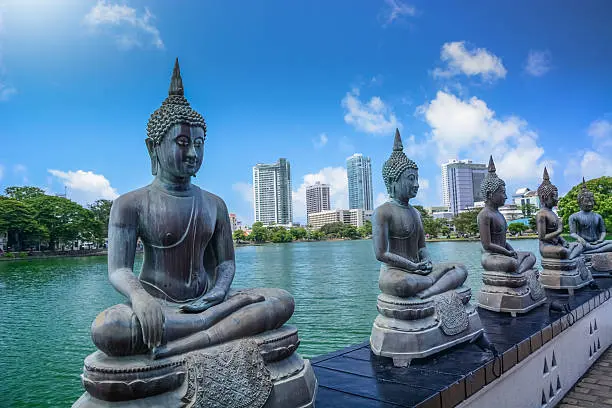
After enjoying your shopping spree to the fullest, we will take you to visit Gangaramaya Temple, one of the most prominent and revered temples in Colombo.
Located near Beira Lake, the temple stands out for its unique architecture blending Thai, Sri Lankan, Indian, and Chinese artistic influences,
creating a serene, aesthetically pleasing, and culturally rich atmosphere.
Inside the temple complex are image halls, a preaching hall, and a library. There is also a Buddhist antique museum featuring a rare collection of ancient artifacts, Buddha statues, and sacred items from several countries,
such as Thailand, India, and Myanmar, along with numerous beautifully displayed bronze Buddha images.
Gangaramaya Temple is also an important religious landmark and a center for Buddhist education. It is very popular among travelers and pilgrims for its peaceful, tranquil atmosphere,
offering lovely views over Beira Lake as well.
Key highlights of Gangaramaya Temple include:
A vast collection of Buddha statues, both inside the main sanctuary and throughout the surrounding grounds
A vast collection of Buddha statues, both inside the main sanctuary and throughout the surrounding grounds
The Buddhist museum displaying ancient artifacts and relics from multiple countries
The Buddhist museum displaying ancient artifacts and relics from multiple countries
Religious ceremonies and observances: The temple regularly hosts sacred ceremonies, merit-making rituals, and candlelit processions on important holy days.
Religious ceremonies and observances: The temple regularly hosts sacred ceremonies, merit-making rituals, and candlelit processions on important holy days.
Scenic views of Beira Lake, where you can stroll along the water and enjoy the tranquil ambiance
Scenic views of Beira Lake, where you can stroll along the water and enjoy the tranquil ambiance
Gangaramaya Temple is both a deeply spiritual sanctuary and a captivating destination that is truly worth visiting when in Colombo.
Dinner.
Afterward, transfer to Bandaranaike International Airport to await your flight departing at 01:15.
Day 7 Bandaranaike International Airport - Bangkok - End total service
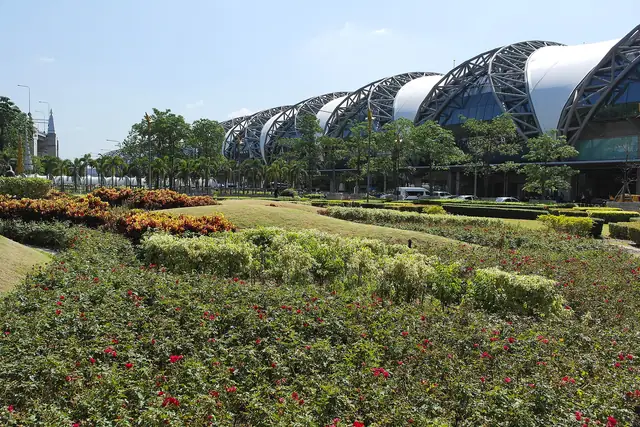
Board your return flight on schedule at 01:15 to fly back to Thailand with wonderful memories,
traveling on flight UL 402 on January 28, 2025, arriving in Thailand at 06:20 local Thai time.
Flight duration is 3 hours and 35 minutes.
Lowest one-way fare found by searchers each month; real prices change by date
Data and links by Aviasales (partner) · we may earn a small commission when you book, your price stays the same
Flights and extras you can book yourself
Flights are not included in the tour price. Compare fares here if you want to book them yourself, or mention it in your quote request and Rin will look for flights for you.
Thai language, pay in baht
 Photo: Thilina Alagiyawanna · CC0 · Wikimedia Commons
Arrive before the tour starts or stay on a few days; pick a hotel near the station yourself
Sightseeing tickets, booked ahead, no queue
Popular with Thai travellers, Thai-language pages
Partner links · we may earn a small commission when you book, your price stays the same
Similar programmes
 7 days 6 nights
Japan Private Tour (JPN038) Natural Charms of Japan: Sakura, Volcano Craters & Fruit Picking 7 Days 6 Nights
 9 days 8 nights
Private Tour Europe (SWS014) Germany-Switzerland-France VIP Route 9 Days 8 Nights
 11 days
Private Europe Tour (SWS004) Germany - Austria - Italy - Switzerland (Best Four)
 7 days 6 nights