Rin Recommends Visiting Schönbrunn Palace
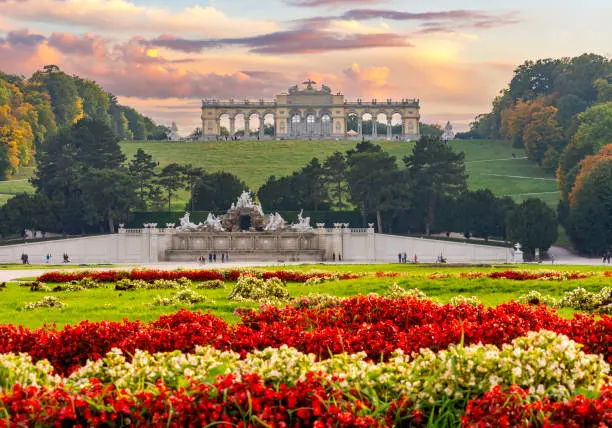
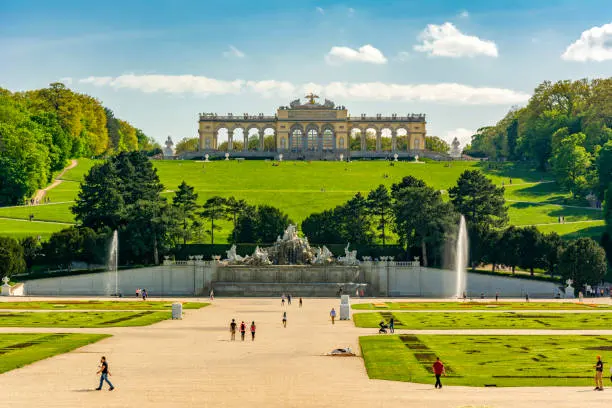
When it comes to palaces in Vienna, the number one choice must be Schönbrunn Palace. Rin is here to review Schönbrunn Palace, including admission fees, photos of Schönbrunn Palace, and next, I recommend visiting Hofburg Palace, which ranks second in fame.
Rin recommends booking your visit to Schönbrunn Palace for either the 40-room or 20-room tour. I recommend going early in the morning so the garden won't be too hot in the sun.
Schönbrunn Palace Booking
40-Room Tour
Price: 34 EUR / person
https://www.imperialtickets.com/en/schoenbrunn-palace/grand-tour-schoenbrunn-palace/45
20-Room Tour
Price: 25 EUR / person
https://www.imperialtickets.com/en/schoenbrunn-palace/state-apartments-ticket/62
--
If you would like to visit Schönbrunn Palace with a tour covering 20 key rooms, here is the recommended visiting sequence:
To tour Schönbrunn Palace covering 20 key rooms, the recommended visiting sequence is as follows:
Room 1 Blue Staircase: The ascent to the main floor of the palace, designed in late Baroque style. Light-colored marble steps contrast with walls decorated in soft bluish-gray tones, which gave the room its name. A large chandelier and tall windows usher in natural light, making the atmosphere airy and elegant. This room is the first threshold that impresses visitors with its serene grandeur.
Room 2 Guards Room: This hall was used by the palace guards, tasked with providing security for the royal family and dignitaries. The simple walls are adorned with decorative weapons and portraits of high-ranking military officers. The interior carries an atmosphere of discipline and solemnity, serving as a resting and staging area for the guards before going on duty.
Room 3 Billiard Room: A leisure room for the royal family, used for socializing, playing billiards, or informal conversations. It features a carved wooden billiard table in the center of the room. The hanging lamp above the table and the paintings along the walls add to its elegance. The room's furnishings reflect high taste and the courtly atmosphere of royal entertainment.
Room 4 Audience Chamber: The hall where the Emperor received foreign dignitaries, prime ministers, and high-ranking officials. Lavishly decorated in white and gold, it features a prominent large throne chair placed in the center of the room. Heavy velvet drapes, carved furniture, and crystal chandeliers convey the formality and majesty of the imperial throne.
Room 5 Emperor Franz Joseph's Study: The Emperor's private study has a simple yet dignified atmosphere, reflecting his discipline and sense of duty. A large oak desk is set with official documents, gazettes, and personal items such as a crucifix, a clock, and quill pens.
Room 6 Emperor Franz Joseph's Bedroom: The room where he rested throughout the latter years of his life. The simple black iron bed where he passed away remains preserved. The walls are plain and lightly colored, with minimal yet orderly furnishings reflecting a frugal life devoted to the nation.
Room 7 Empress Elisabeth's Dressing Room: The room the Empress used to prepare herself each day. Inside are a dressing table, a three-way mirror, cosmetics, perfumes, and special combs for her ankle-length hair. The atmosphere of the room is imbued with delicacy, a love of beauty, and Empress Sisi's rigorous personal grooming routine.
Room 8 The Emperor and Empress's Bedroom: The bedroom that Emperor Franz Joseph and Empress Sisi shared at certain times. Symmetrically arranged twin beds, luxurious blackout drapes, classic furnishings, and balanced decor reflect the formal relationship of the imperial couple.
Room 9 Marie Antoinette Room: Named after the daughter of Maria Theresa who became Queen of France. Lavishly decorated in the French style, it features furniture upholstered in pastel floral fabric, soft walls, and a portrait of Marie Antoinette. The atmosphere in this room is feminine, gentle, and elegant.
Room 10 Great Gallery: A grand hall over 40 meters long, opulently decorated with large mirrors, gigantic crystal chandeliers, and ceiling frescoes depicting the glory of the empire. Used for balls, banquets, and major state ceremonies, it is the heart of the palace, bringing grandeur and artistry together in one room.
Room 11 Small Gallery: A hall smaller than the Great Gallery, but exquisitely decorated in white and gold. Used for private audiences, small group banquets, or intimate concerts, it offers a warmer and more intimate atmosphere than the grand hall.
Room 12 Round Chinese Cabinet: An Oriental-style room decorated with antique Chinese prints and porcelain. The curved walls are lined with miniature Asian paintings set against dark rosewood. Used to store precious treasures and hold secret conferences, it is an example of the Austrian court's taste for Oriental art.
Room 13 Oval Chinese Cabinet: Similar to the Round Cabinet but oval in shape. The walls are decorated with authentic Chinese art, including prints, fans, and antique brush paintings. Once used for secret conferences or private conversations by Maria Theresa, it reflects the imperial family's taste and fascination with Chinese culture.
Room 14 Carousel Room: An anteroom connecting different zones of the palace, named after wall paintings depicting equestrian processions, royal ceremonies, and outdoor festivities. With a peaceful atmosphere tinged with Baroque luxury, it connects the ceremonial world with daily life in the palace.
Room 15 Horses Room: Originally used as a dining room in the 19th century, the room takes its name from murals depicting horses along with hunting or horse racing scenes. It served as a semi-formal space for gatherings without rigid ceremony.
Room 16 Hall of Mirrors / Mirror Room: Famous as the venue where Mozart performed at age 6. The walls are lined with antique mirrors, gilded frames, and Rococo ceiling paintings. Though small, this room is steeped in history, piano melodies, and an inspiring atmosphere.
Room 17 Large Rosa Room: Decorated with landscape paintings by the Viennese painter Joseph Rosa. Featuring soothing tones emphasizing nature, large canvases portray mountains, forests, rivers, and skies, offering a restful retreat for visitors' eyes and minds.
Room 18 Second Small Rosa Room: Similar to the Large Rosa Room but smaller in scale. Landscape paintings in soft gold frames are neatly displayed. Used as an anteroom or small reading room, it is quiet and full of refined taste.
Room 19 Lantern Room: The room used to prepare and store lanterns and lighting equipment before bringing them into the galleries. Bronze lanterns, candle stands, and delicate hanging glass lamps filled the room, serving as the backstage center behind the brilliance of royal ceremonies.
Room 20 Hunting Room: Decorated with paintings of hunts, wild deer, falcons, and antique hunting gear, illustrating the aristocratic lifestyle of the past. Used as a room for relaxing or informal conversation, it features a warm, rustic atmosphere with a touch of luxury.
--
Rin shares descriptions of key rooms at Schönbrunn Palace for you to enjoy a nice, leisurely read! Note that they may not be arranged in room order.
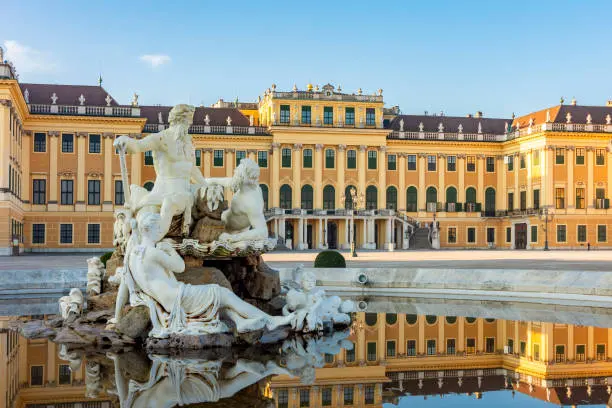
Schonbrunn Palace in Vienna, Austria, has approximately 45 rooms open to visitors, each with its own unique significance and beauty. Below are detailed descriptions of some of the key rooms.
1 Blue Staircase
The most magnificent staircase in the palace, leading to royal reception rooms and apartments. The "Blue Staircase" is one of the architectural highlights within Schonbrunn Palace, serving as the main route connecting the lower floor to the upper floor of the palace, originally used by the Habsburg dynasty and distinguished guests to enter various reception rooms and ceremonial halls.
Although the name refers to "blue," the staircase was actually decorated with colors that changed with the eras. During the reign of Empress Maria Theresa, the staircase was luxuriously decorated in Baroque and Rococo styles, with light-colored walls adorned with intricate gold stucco work and numerous crystal chandeliers hanging from the ceiling to enhance the imperial court atmosphere.
The highlight of the Blue Staircase lies in its spacious double-height ceiling structure that creates a sense of grandeur, and its delicate wrought-iron banister with floral motifs, along with wall paintings and stucco work depicting the triumphs and glory of the Habsburg dynasty. In the 18th century, this staircase was not just a passageway, but was also used on special occasions, such as welcoming state guests or important ceremonies featuring formal descents down the stairs, showcasing the dignity and magnificence of the Austrian Empire.
2 Billiard Room Used as a waiting room for officials and military officers, featuring a large billiard table and military paintings.
The Billiard Room, located in the front area near the entrance to the Blue Staircase of Schonbrunn Palace, is one of the rooms that showcases the social life of the Habsburg dynasty during the 18th and 19th centuries.
Originally, this room was used as a semi-informal waiting room for visiting guests, including nobles, government officials, or high-ranking military officers waiting for an audience with the Emperor or Empress, particularly during the reign of Emperor Franz Joseph.
The large oak billiard table in the center of the room is the room's highlight. This table was not used solely for entertainment, but also stood as a symbol of "waiting in style" at the imperial court.
The walls are paneled in dark wood, combined with mirrors and carved wooden furniture, giving the room a solemn yet luxurious atmosphere.
The crystal chandeliers cast a soft, warm glow, enhancing its beauty in the evening.
Paintings of key military figures adorn the room, particularly from the era when the Austrian Empire had strong military power.
Records show that when the Emperor was away, officials or foreign diplomats would use this room to exchange views or even hold informal political discussions.
Empress Elisabeth (Sisi) regularly passed through this room before heading up to her private apartments.
3 Emperor Franz Joseph’s Study The Emperor's private office, adorned with family photographs and personal memorabilia.
Emperor Franz Joseph’s Study is one of the rooms that most clearly reflects the personality, orderliness, and immense devotion of the longest-reigning emperor in Austrian history (1848-1916). Located in the west wing of Schonbrunn Palace, this room was once the space where he carried out his daily work with strict dedication.
The furniture emphasizes simplicity and functionality, in contrast to other rooms that are lavishly decorated. This room reflects the Emperor's personal taste, favoring modesty and methodical routine.
A dark brown wooden desk with an antique leather chair sits by the window, catching natural light.
Family photographs, such as those of Empress Elisabeth (Sisi) and his son (Crown Prince Rudolf), placed on the desk and walls, reflect family bonds despite a life filled with tragedy.
An image of the Virgin Mary and a wooden crucifix stand prominently in the room, reflecting his deep religious faith.
Several small wooden chairs are systematically arranged to accommodate courtiers having an audience during working hours.
The Emperor's character and daily routine reflected in this room:
Emperor Franz Joseph began working at 4:00 AM every day without taking holidays, working throughout the day writing documents, reviewing state affairs, and reading reports himself.
He disliked extravagant decoration and chose only essential items, reflecting his strict discipline and devoted sense of duty.
He spent most of his time in this room, with records noting that even in the final years of his life, he continued to work tirelessly.
This room was also where Emperor Franz Joseph passed away in 1916 after working until the very end of his life, making it not only a study, but also a symbol of devotion and steadfastness of the Habsburg dynasty.
This room is therefore one of the spots that leaves many visitors most deeply impressed, because it holds not only artistic beauty, but is also filled with the power of "real life" and "the spirit of an emperor utterly dedicated to his duty."
4 Small Gallery Used for court entertainment, decorated with paintings and crystal mirrors.
The Small Gallery is one of the gracefully exquisite halls of Schönbrunn Palace. Designed in the Rococo style—luxurious yet not overly opulent—it was used as a venue for banquets and entertainment on special occasions, such as concerts, tea parties, or intimate royal family celebrations.
This room is located near the Great Gallery, which was used for major imperial state ceremonies, while the Small Gallery offers a more intimate, compact atmosphere suited for closer, private events.
The walls are adorned with mirrors and gilded stucco moldings characteristic of Rococo art, blended with creamy white tones to create an elegant yet delicate feel.
The ceiling is decorated with frescoes depicting scenes from Greek mythology or allegorical celebrations, painted by court artists.
A medium-sized crystal chandelier hangs from the ceiling, reflecting off the mirrors to make the room sparkle under candlelight or lamps.
This room was once used for musical performances during the reign of Empress Maria Theresa, featuring a small orchestra.
Records show that this room was used to host banquets for distinguished royal guests, such as foreign royalty or high-ranking statesmen.
Although it is not a large room, the exquisite artistry and design within reflect the refined taste of the Austrian imperial court during its golden age.
It is popular among visitors who love photography, thanks to its reflective lighting angles and perfectly balanced artistic composition.
The Small Gallery is therefore like a "room of art and music" that brings together beauty, delicacy, and court culture in an intimate setting.
5 Round Chinese Cabinet A room decorated with Chinese and Japanese art, used for secret meetings by Maria Theresa.
The Round Chinese Cabinet is one of the most beautiful and mysterious rooms in Schönbrunn Palace. This room reflects the "Chinoiserie" trend popular in 18th-century European royal courts, especially during the reign of Empress Maria Theresa, who had a great passion for East Asian art and objects.
This room is a small, round room, unlike most rooms in the palace which are typically rectangular.
The walls are decorated with wooden paneling and painted paper from China and Japan imported directly from Asia at the time, featuring motifs of nature, birds, flowers, and Chinese daily life.
Gilded stucco moldings delicately frame the artwork, enhancing the luxury of Oriental art in seamless harmony with European style.
A round wooden table in the center of the room, along with chairs upholstered in antique Chinese-patterned fabric, was used for private meetings or conversations.
This room was not merely decorated for beauty; it was also used for secret meetings between Empress Maria Theresa and her personal advisers.
As an "enclosed room" with only a small entrance door and no windows, it was ideal for negotiations requiring quiet and privacy.
It is said that several major political strategies were shaped in this room.
It evokes a sense of calm, mystery, and solemnity through its unique ambiance.
The blend of art from two cultures—Chinese and European—reflects the cultural openness of the Austrian imperial court at the time.
This room is therefore not only an exquisite example of Chinoiserie decoration, but is also filled with stories and an atmosphere that makes visitors feel as though they have stepped back in time into the Empress's secret court.
6 Oval Chinese Cabinet Similar to the Round Chinese Cabinet, but oval in shape and decorated with East Asian art.
The Oval Chinese Cabinet is another small room in Schönbrunn Palace reflecting the 18th-century popularity of East Asian art and objects, particularly the Habsburg dynasty's fascination with Chinese and Japanese art.
This room is similar to the "Round Chinese Cabinet," but features an oval shape and more opulent decoration. It was used as a setting for private conversations or secret conferences among the royal family and close courtiers.
The walls are lined with carved wooden paneling and rare painted Chinese paper sheets, depicting scenes of Chinese daily life, trees, flowers, birds, and symbols of good fortune.
There are display brackets and shelves decorated with blue-and-white porcelain and Japanese lacquerware from the royal collection.
It is surrounded by light golden floral stucco moldings in the Rococo style.
An oval table covered with authentic Chinese silk fabric, accompanied by small French-style chairs, is arranged in a circle in the center of the room.
Empress Maria Theresa and Emperor Franz Stephan once used this room for private consultations or high-level, semi-formal meetings.
This room resembles a "salon prive" or "private council chamber" of the contemporary French royal court.
The room evokes a relaxed yet deeply serene sense of luxury, balancing the Western and Eastern worlds in an intimate setting filled with royal taste.
If Schönbrunn Palace were a history book, the Oval Chinese Cabinet would be the chapter infused with beauty, secrets, and the art of private diplomacy.
7 Carousel Room Serves as an antechamber before entering the Great Gallery.
The Carousel Room is located near the front of Schönbrunn Palace and served as an antechamber before entering other key areas of the palace, such as the official halls or the grand reception rooms. Although this room is not as large as others, it holds great significance in both architecture and royal history.
The room's name, “Carousel” or “Karussell,” is believed to originate from the murals and prints decorating the room that depict ceremonial royal processions, celebrations, and semi-military royal events, such as horse races, open-air performances, and French-style parades known as “Carrousel” in the 17th-18th centuries, which later became the origin of the word “carousel.”
The walls are decorated in Rococo style with light tones such as white, cream, and gold.
There are prints and small paintings depicting military and ceremonial events, such as carriage processions, horses, and armored warriors adorned with flags.
Gilded carved wooden furniture adorns the corners of the room, including French-style chairs and small side tables.
Mirrors and crystal chandeliers help make the room feel airy and bright, despite its modest size.
This room served as a waiting hall for distinguished guests before having an audience with the royal family or attending royal ceremonies.
It was used for preliminary conversations or waiting between ceremonies, such as welcoming foreign ambassadors or royal banquets.
It served as an anteroom before entering other important spaces, such as the Mirror Room or the Great Gallery.
Although not the most luxurious or ornate in the palace, the Carousel Room is filled with stories of royal honor and represents the “public facade” of formal ceremonies, rich with protocol and sophistication.
Walking into this room, visitors can sense an air of anticipation—the feeling before appearing before the emperor or participating in a momentous historical event.
The Mirror Room, where Mozart gave his first concert at the age of 6, is decorated with mirrors reflecting one another.
8 Millions Room A room decorated with ebony wood paneling and miniature paintings from India and Persia.
The “Millions Room” is one of the most famous and luxurious rooms in Schönbrunn Palace, not only for its superb decor, but also because it was known as an immensely valuable room in the 18th century—earning the name “Millions Room” due to decorating costs that were shockingly high at the time.
This room reflects the personal taste of Empress Maria Theresa, who had a great fondness for Oriental culture, especially artwork from India, Persia, and China, making it one of the rooms that impresses visitors the most.
The walls are paneled with rare, imported dark rosewood, featuring beautiful natural grain and sliced into thin veneers from just a few trees.
Set into the walls are 60-70 Persian and Indian miniature paintings, each hand-painted on antique paper depicting princes, warriors, nobles, and South Asian court life.
Gold leaf frames delicately encircle each painting in Rococo style.
The ceiling features light-colored murals that add softness and balance to a room rich with intricate patterns.
Regarding the origin of the name “Millions Room,” records show that decorating this room cost “several million gulden” (the former currency of the Austrian Empire), an astronomical sum at the time, especially given the rarity and immense artistic value of the Indian miniatures. The name “Millions Room” is therefore no exaggeration, but rather a reflection of the invaluable exquisite artistry within.
In terms of historical use, it served as a private reception room for the Empress and her close guests, used for private conversations or relaxation. It is believed to have been Maria Theresa's favorite room to escape from rigid court etiquette.
This room stands as a symbol of the Austrian imperial court's opulence in terms of art, wealth, and Eastern culture. Here, you will find a harmonious blend of European and Oriental art, which was remarkably unconventional in the 18th century.
Visitors often linger in this room longer than others, drawn by the wealth of detail that invites close, careful appreciation.
9 Gobelins Salon Decorated with tapestries woven in Brussels depicting market and harbor scenes.
The Gobelins Salon is one of the exquisitely decorated reception rooms in Schönbrunn Palace, named after the room's main feature—luxurious tapestries produced by the "Gobelins Manufactory" in Paris, France, the most renowned royal workshop in Europe for weaving tapestries and textiles in the 17th-18th centuries.
The walls are adorned with large Gobelins tapestries depicting daily life in Baroque Europe, such as town markets, harbors, fishing, or farming—capturing scenes of simple life with astonishing realism.
These tapestries are handwoven from silk, linen, and wool, taking several years to craft each piece.
Gilded carved wooden furniture upholstered in fabric matching the tapestry patterns creates harmony throughout the entire room.
The white ceiling is adorned with foliage and floral stucco work, complemented by a central crystal chandelier that casts a soft, gentle glow across the textured surface of the tapestries.
The floor is made of classic parquet, contrasting with the warm-toned walls to make the tapestries stand out even more.
Historical role and usage: The Gobelins Salon was used as an official reception room for imperial guests, or occasionally as a smaller meeting room for discussions with ambassadors and foreign visitors. With the beauty of the tapestries and the delicate atmosphere, this room was also used as a space to showcase art and the empire's cultural achievements.
The unique charm of the Gobelins Salon: Unlike other rooms that focus on mirrors or frescoes, this room feels warm and alive through woven tapestries that vividly tell stories. The Gobelins tapestries were not merely decorative; they also represented the diplomatic relations between the Austrian imperial court and France during the era of Maria Theresa.
This room is ideal for those who appreciate handcrafted art and want to experience the truly "understated yet invaluable" beauty of the 18th century.
10 Empress Elisabeth's Bedroom (Sisi) (Empress Elisabeth’s Bedroom)
The bedroom of Empress Elisabeth (or "Sisi") is one of the private rooms that draws the most interest from visitors to Schönbrunn Palace. This room was not just a resting place for the empress, but also a space that clearly reflected Sisi's profound, complex, and independent personality.
Decor features: A Biedermeier-style wooden bed, small compared to the thrones of typical empresses, simply decorated, reflecting Sisi's gentle and unextravagant taste.
Curtains, bedsheets, and bedding use soft tones such as light blue, cream, or pale pink, creating a peaceful atmosphere and reflecting the privacy and inner state of mind of the empress, who often escaped from the turmoil of the imperial court.
A dressing table and tall mirror that Sisi used for her morning routine—she was renowned for her legendary beauty, had ankle-length hair, and spent several hours a day brushing her hair and caring for her complexion.
A small bookcase holding her personal writings and poetry, as well as Greek books, a language she was especially fond of.
The walls are decorated with photographs and paintings of Sisi and her family, imparting a deeply warm and intimate atmosphere.
The empress's routine in her bedroom: Sisi woke up early to exercise, stroll in the gardens, or ride horses, and upon returning would spend hours caring for her skin, hair, and figure. Records note that she weighed herself every day and was extremely strict about her diet to maintain the slender figure that became her trademark. This room was where Sisi wrote journals and poems, many of which reflected her loneliness, weariness of court etiquette, and longing for freedom.
Upon entering this room, visitors will not only see an "empress's bedroom," but can also sense the "humanity" of a woman who bore an exalted status amid loneliness, isolation, and the pressures of palace life. This room is therefore not merely aesthetically beautiful, but also filled with the emotions, breath, and poetry of Empress Sisi, one of the most talked-about women in European history.
11 Dining Room of the Imperial Family (Dining Room of the Imperial Family)
The Dining Room of the Imperial Family inside Schönbrunn Palace is filled with the atmosphere of the Habsburg dynasty's "daily ceremonial life," particularly during the reign of Emperor Franz Joseph and Empress Elisabeth (Sisi), who used this room to dine formally with family members or distinguished guests.
Although it was a "private room" in the context of the imperial court, every meal was still distinctly imbued with protocol, strict discipline, and symbols of power.
Decor features: A long central table made of solid oak, exquisitely and intricately carved, capable of seating more than 20 guests.
High-backed velvet-upholstered chairs are arranged symmetrically, with each person's seat strictly designated according to imperial hierarchy. Gold-patterned porcelain tableware (Royal porcelain) and silverware engraved with the imperial crest are laid out according to the empire's specific etiquette. The walls are adorned with oil paintings of royal family members and "Still Life" paintings depicting Baroque fruit, flowers, and food to enhance the luxurious ambiance. A large crystal chandelier casts warm light over the dining table, accompanied by mirrors on the walls reflecting light to heighten its grandeur.
Mealtime protocol during the era of Emperor Franz Joseph: The emperor attended every meal with strict punctuality; if a guest arrived even a few minutes late, they were not permitted to join the table. He ate quickly and did not converse during meals, considering eating to be a duty rather than a time for socializing. Everyone was required to dress in full formal attire, even for family meals.
While it was a room that represented family warmth, it was at the same time imbued with military discipline, silence, and an unspoken authority. Stepping into this room, you can sense the sobriety, serenity, and sharp precision of every element, as if everything had been "preordained"—the food, the seating arrangement, and the destiny of the empire.
12 Great Gallery (Great Gallery)
The Great Gallery is the heart of Schönbrunn Palace's grandeur and the room that attracts the most interest from visitors worldwide. With its scale, magnificence, and lavish decor, this room served not only as a venue for major imperial ceremonies, but also truly reflected the power and might of the Habsburg dynasty.
Room dimensions: approximately 43 meters long and 10 meters wide, with high ceilings that create an airy, magnificent feel. The walls are lined with large mirrors running the length of the hall, alternating with gilded stucco pillars and frames in the Rococo style, beautifully reflecting light from the crystal chandeliers.
The ceiling is decorated with large frescoes depicting stories of the Habsburg dynasty, such as righteous rule and the flourishing of art and culture. Three colossal crystal chandeliers hang from the ceiling, casting warm light that gleams on the polished parquet floor. The floor features intricate geometric parquet patterns, serving as a venue for dancing and evening celebrations.
Past roles and usage: This room was used for royal banquets, balls, concerts, and official royal receptions. Empress Maria Theresa once hosted celebrations welcoming foreign royal guests here. Napoleon Bonaparte used this room to establish an Austrian government under French control during a period in history. In modern times, the hall continues to host state banquets and classical music events, such as concerts by the Vienna orchestra.
This room is like a "throne room without a throne"—a place where artistic beauty, architecture, and political power converged. Standing in the middle of the room, you will feel as though you have stepped back in time to a glorious evening when aristocrats in lavish attire danced gracefully amid candlelight and the sound of violins.
13 Empress Franz Joseph’s Bedroom
Emperor Franz Joseph's bedroom is one of the rooms that most clearly reflects his modesty and strict discipline. Although he was an emperor who reigned for 68 years over the Austro-Hungarian Empire, he led a simple life, prioritizing duty over luxury.
Decor: A simple black iron bed, modest in size for the status of an emperor, with no canopy or luxurious curtains whatsoever, reflecting an unpretentious lifestyle. A small bedside table with a simple lamp holds a Bible, a crucifix, and a pocket watch. Most of the furniture is plain wood, without gold accents or elaborate carvings, showing only natural wood grain and light tones. A picture of the Virgin Mary and a crucifix above the head of the bed symbolize his devout Roman Catholic faith. This room connects directly to his private study, which he used throughout the morning and afternoon each day.
His daily routine: Emperor Franz Joseph woke up at 4:00 AM every day, without exception for Sundays or holidays. He began his day with a cold bath, read the newspapers, and immediately started official duties in the adjoining study. He disliked being disturbed by courtiers except for urgent matters. Everything was scheduled and followed a strict routine every single day.
The final chapter of his life: Emperor Franz Joseph passed away in this room on November 21, 1916, at the age of 86, following the longest reign of any monarch in Austrian history. He died on the simple iron bed that remains in the room to this day, a symbol of his devotion to duty until his final moments.
The feeling of standing in this room: Many visitors say that while this room lacks luxury, it is profoundly moving because it vividly conveys the "spirit of a dedicated emperor"—one who devoted himself to his country above all else. You will feel as if you are experiencing "behind the grandeur of the empire" through simplicity, weary toil, and true serenity.
14 Empress Elisabeth’s (Sisi's) Study
The study of Empress Elisabeth (or "Sisi") is one of the private rooms that most clearly reveals her personality—independent, simple, profound, and full of creativity. It was a tranquil space where she spent time alone to read, write poetry, keep journals, and practice languages.
Empress Sisi was renowned not only for her beauty, but also for her sensitive soul, deep intellect, and immense love of learning, especially literature and foreign languages.
Decor: A small wooden writing desk is placed by the window to let in natural light. On the desk sit a stationery box, quill pens, and antique writing instruments. Wall-mounted bookshelves are lined with Sisi's favorite books, including German, French, and Greek literature (she taught herself Greek until she became fluent). A chair upholstered in a delicate fabric pattern with light blue and cream tones creates a soothing, peaceful atmosphere. The walls are decorated with botanical paintings or poems that she may have copied out by hand, along with an antique table clock and small decorative items such as family photo frames.
Past usage: The empress used this room as a peaceful private sanctuary, far removed from court ceremonies. She wrote numerous personal journals and poems here, with much of the content reflecting loneliness, deep reflection, and weariness with court life. It is well known that Sisi loved solitude and often escaped court life—this room was truly her "quiet spiritual haven."
Standing in this room, many visitors feel closer to the "Sisi nobody ever knew"—not an empress on a high pedestal, but a young woman passionate about poetry, devoted to nature, and yearning for the freedom that royal life could never offer.
15 Empress Elisabeth’s (Sisi's) Dressing Room
The dressing room of Empress Elisabeth (or "Sisi") is one of the rooms that most clearly reflects her legendary beauty. This is where Sisi spent hours every day caring for her figure, skin, and hair—things she took great pride in and valued above all else in court life.
Decor: A large wooden dressing table features a three-panel (tri-fold) mirror for viewing from all angles, adorned with an ornate gold frame. Neatly arranged on the tabletop are perfume bottles, brushes, powder, vintage cosmetics, and small jewelry items. A gold comb and brushes for long hair are delicately laid out on velvet fabric. There is a small round stool for the personal dresser who assisted in brushing her hair. Built-in wardrobe shelves display the Empress's royal court dress (replica) and flat shoes designed for Sisi's petite feet.
Empress Sisi's beauty routine: She had ankle-length hair that required 2-3 hours of daily combing and care, attended to solely by her personal hairdresser. She used skincare recipes she concocted herself, such as orange blossom oil cream, vinegar mixed with rosewater, or egg yolk face masks. Every day, the Empress weighed herself and exercised rigorously to maintain her figure. She favored wearing tightly laced dresses that kept her waist down to just 50 centimeters—considered the "ideal" figure of the Victorian era.
Entering Sisi's dressing room, one can feel the delicacy, refinement, and obsession with beauty that went far deeper than cosmetics—it was the emotional armor of a young woman who bore the burden of being empress throughout her life. This room not only showcases Sisi's "outer appearance," but also reveals the "inner vulnerability" of a woman seeking freedom in a world surrounded by duty and expectations.
16 Empress Elisabeth's (Sisi) Exercise Room (Empress Elisabeth’s Exercise Room / Gymnasium)
Empress Elisabeth's (Sisi) gymnasium was an extraordinary rarity in 19th-century European courts, clearly reflecting how "ahead of her time" the Empress was. While most noblewomen of that era focused on gentle pursuits like embroidery or tea, Sisi committed herself to an exceptionally strict and consistent exercise routine.
Room features and decor: A medium-sized room with large windows that let in natural light for good ventilation. It is equipped with vintage wooden exercise equipment, such as wooden bars for arm support or stretching, gymnastic rings hanging from the ceiling, and wall bars for climbing and pull-ups. There are floor carpets and soft mats for yoga and stretching. In the corner are weighing scales and a full-length mirror for Sisi to observe her physique while exercising. The decor is simple without lavish ornamentation, resembling a modern home gym more than a palace room.
The Empress's routine in this room: Sisi began exercising early in the morning every day, whether in Vienna, Schönbrunn, or while traveling. She favored stretching, early forms of yoga (based on European gymnastics and calisthenics), and climbing wall bars. In addition, she went on long brisk walks and occasionally rode horses for hours at a time. Sisi believed that "beauty requires discipline and effort," which was reflected in the slender figure she maintained into middle age.
This gymnasium was not only a place for physical fitness, but also a "mental refuge" from the world of court ceremonial and the watchful eyes of the royal court.
In this room, Sisi was simply "Elisabeth"—a young woman who wanted to move freely, without corsets or rigid rules.
17 Sisi's Private Bathroom (Empress Elisabeth’s Bathroom)
Empress Elisabeth's private bathroom is one of the rooms that most clearly reveals her "distinctive, forward-thinking lifestyle."
In the 19th century, bathrooms in palaces were not yet widespread, even among imperial royalty—yet Empress Sisi was a woman who placed exceptional importance on hygiene, cleanliness, and body care.
This room was therefore not merely a place to bathe, but a private pavilion of tranquility for a young woman bearing the expectations of the entire court.
Decor: The room is compact and simply decorated, yet clean and orderly. It features a large cast copper bathtub filled by pouring warm water from brass jugs set beside the tub. The walls are lined with light-toned wood paneling or smooth marble to retain warmth and prevent moisture. In the corner sits a small dressing table with glass bottles containing flower waters, perfumes, mineral water, and special creams formulated exclusively for the Empress. There are sheer white curtains and towels delicately embroidered with the initial "E" (Elisabeth). Tall windows let in natural light, making the room feel warm and airy.
The Empress's self-care routine in this room: Sisi bathed daily, which was considered remarkably advanced for her era. She used water mixed with milk, orange blossom water, apple juice, or various herbal infusions to nourish her skin. She washed her face with cold water in the morning and used face masks made with egg yolk, honey, and milk to nourish her skin. This room was also used for steam treatments and quiet rest after exercising and before dressing.
Sisi's private bathroom was like a "small kingdom free from court ceremonies and imperial rules." Here was where the Empress could be most true to herself—no royal guards, no crown, no corset, only the flowing water and serenity surrounding the woman remembered by the world as Sisi.
18 Imperial Guest Room (Imperial Guest Room / State Guest Apartment)
The Imperial Guest Apartments at Schönbrunn Palace were prepared to host foreign royal families, heads of state, or distinguished VIP guests honored with an overnight stay at the palace. This room reflects the grandeur of the Austrian Empire as a host ready to welcome guests with the utmost honor, artistry, and elegance.
Decor: Imperial twin bed with a gold-leaf carved wooden headboard adorned with floral motifs and the Habsburg dynasty crest. Wine-red or soft-gold velvet drapes cascade from the ceiling over the bed, creating a luxurious and gentle ambiance. An oak writing desk and vanity come with upholstered chairs featuring carved gold accents. Hand-woven carpets with classic patterns cover the entire room, harmonizing with the silk wallpaper. The walls are decorated with large oil paintings depicting Austrian countryside landscapes or royal portraits. A cabinet for tea/coffee and refreshments (in that era, tiered stands of pastries and fresh fruit) is elegantly positioned in the corner of the room.
Past guest experiences: Guests staying in this room were welcomed as "royalty equivalents." Silverware tea sets were often served directly to the room, complete with courtiers on hand to attend to them 24 hours a day. Past guests included a Prince of the Prussian royal family, the King of Italy, and even Napoleon Bonaparte during the period when Austria temporarily fell under French rule.
The royal guest rooms were not meant merely for resting, but served as a "quiet statement of power and civilization" to demonstrate the honor Austria bestowed upon its guests. The elegance of the furniture, the decorative art, and the overall atmosphere were designed to make a memorable first impression and uphold the dignity of all parties at an imperial level.
19 Officials' Antechamber (Audience Waiting Room / Officials’ Antechamber)
The Officials' Antechamber inside Schönbrunn Palace was designated for officials, diplomats, military officers, and distinguished guests granted an audience with the Emperor or Empress. It served as an "antechamber" of utmost significance in a court system governed by clear, strict hierarchies.
Decorated in tones that are stately yet not lavish, conveying a "semi-formal" atmosphere. High-backed chairs line the walls for guests waiting to be summoned, arranged methodically by rank. An oak or mahogany center table holds newspapers, documents, or guest lists. The walls may feature portraits of the Emperor in dignified poses or scenes depicting Austrian military victories. In the corner stands an antique grandfather clock that marked audience times—crucial in a royal court that valued punctuality above all. A central pendant lamp or chandelier casts a warm glow, reflecting an air of restrained luxury.
Room function and historical use: Used as a waiting area for audiences with Emperor Franz Joseph, who was renowned for his strict punctuality—anyone arriving even a few minutes late would not be admitted. It was the "quietest room" in the palace—no loud conversations, no laughter, as everyone remained in a state of "formal readiness." Some days, high-ranking officials might wait for hours just for a few minutes of audience time, which was considered standard in an Austrian court centered on protocol and hierarchy.
The Officials' Antechamber may not be as magnificent as the grand galleries or the Emperor's bedchamber, but it carries an underlying power in its "silence" and "precision" of order and decorum. This was a "temporary resting space for the mind" for those about to step in and face the center of imperial power.
20 The Imperial Family's Salon (The Imperial Family's Salon / Family Drawing Room)
The Imperial Family's Salon is one of the few rooms in Schönbrunn Palace that reveals the "real life" behind the imperial facade—a space where members of the Habsburg royal family spent informal time together. This room has a warm, intimate atmosphere, in stark contrast to the ceremonial rooms filled with formal protocol.
Furnished with Biedermeier-style wooden furniture, which is simple yet showcases exquisite craftsmanship. Sofas and chairs upholstered in soft fabrics with floral patterns or cream tones encircle the central table, creating a cozy ambiance. Small round tables hold books, board games, or handcrafts such as embroidery and knitting, favored by the Empress and her daughters. The walls are adorned with family portraits or nature watercolors, some painted by the royal children themselves. The floor is lined with soft-hued hand-woven rugs, and an upright piano is available for family musical gatherings.
This room was used for relaxing, conversing, or enjoying shared family activities such as playing music, singing, reading, or tutoring the royal children. Although Emperor Franz Joseph and Empress Sisi led disciplined lives, on certain afternoons or evenings, the couple and their children would gather together in this room. The royal children (especially Crown Prince Rudolf) once studied poetry or French with private tutors here.
This room features no grand crystal chandeliers, no thrones, and no gold-clad walls, yet it is filled with a sense of family, closeness, and gentle, everyday human warmth. It is a room showing that even an Emperor or Empress needs a small personal haven to be themselves and share moments with loved ones.
21 Crown Prince Rudolf’s Study (Crown Prince Rudolf’s Study / Reading Room)
The study of Crown Prince Rudolf, the only son of Emperor Franz Joseph and Empress Elisabeth (Sisi), is a room filled with an atmosphere of quiet contemplation, intellect, and the aspirations of an idealistic prince.
This room was not merely a place for studying or reading textbooks, but also an "intellectual sanctuary" for Crown Prince Rudolf, who embraced modern visions and progressive ideas far ahead of his time.
A teak or mahogany writing desk sits in the center of the room, facing the window to take in natural light. Built-in wooden bookshelves line the room, clearly organized into literature, history, science, and politics. On the desk are a small microscope, a magnifying glass, quill pens, and scientific papers, reflecting the prince's keen interest in biology and natural sciences. Small animal figurines and insect specimens collected by the prince are displayed in glass cases. The walls are decorated with world maps, maps of Europe, and sketches of Enlightenment thinkers.
He had a profound interest in science, history, natural science, and liberal ideas. He read books in multiple languages and often wrote personal notes about politics, society, and the ethical conflicts of that era. This room was where he spent time reflecting, writing essays, and studying with private tutors specially arranged by Empress Sisi.
Crown Prince Rudolf’s study is a place that reflects “the soul of a thinker in the body of a prince”—one who carried the hopes of the dynasty, yet felt alienated from the empire’s traditional power. Here is a room filled with the “quiet sound of questioning” and the “soft light of blossoming knowledge.”
22 The Imperial Children’s Classroom
The Imperial Children’s Classroom is one of the most fascinating rooms inside Schönbrunn Palace, serving as a “learning space” for the children of the Habsburg dynasty, especially Crown Prince Rudolf, the only heir of Emperor Franz Joseph and Empress Elisabeth (Sisi).
This room was not an open school like what we are familiar with, but a “classroom in the palace” decorated simply and peacefully, reflecting the royal educational approach of the 19th century that was strict, structured, and placed great emphasis on virtue, knowledge, and languages.
Wooden desks are arranged in rows, reminiscent of a classic school, complete with compartments for notebooks, books, and study materials. The teacher’s desk stands at the front of the room, alongside a blackboard and wall charts such as geographic maps, diagrams of the human body, and a basic periodic table. The walls are decorated with portraits of philosophers such as Aristotle and Galileo, or Renaissance artists. There are globes and binoculars / telescopes, reflecting the modern nature of education at the time. The room uses natural light from large windows along with desk lamps in certain spots.
Subjects studied by the royal children included languages: German, French, Latin, Greek, and in the case of Crown Prince Rudolf, also English and Hungarian; mathematics, science, natural science, history, as well as religion and court etiquette. Physical education and music were also included in their studies, though not as the core focus. The teachers of the royal children were usually highly distinguished figures, such as professors from the University of Vienna or royal court scholars.
This room was filled with silence and expectations. The children were not merely children of ordinary parents, but the “successors to the empire.” Learning in this room was therefore especially intense and systematically structured to instill the mindset of a leader.
If you stand in this room, you will sense a strange dynamic between youthful innocence and the heavy burden of a political future.
This is the classroom that shaped “future emperors and empresses” with ink, pens, and the quiet silence of expectations.
23 The Imperial Library (Private Royal Library)
The Imperial Library at Schönbrunn Palace is like a treasure trove of wisdom hidden behind the golden veil of the empire—this private room was used for research, reading, and reflection by the Austrian imperial family, including the emperor, empress, and their children.
It is not a massive library like a national library, but a room filled with an aura of curiosity, depth, and a soft, elegant tranquility.
All four walls of the room are lined with oak or mahogany bookshelves reaching up to the ceiling, complete with a small rolling ladder to reach books on the upper shelves. Leather-bound books are neatly arranged, some of which are first editions or original manuscripts from the Renaissance and the Enlightenment era. In the center of the room sits a reading table with high-backed upholstered chairs, a classic table lamp, and a quill pen holder. In the corner stand a grandfather clock and an astronomical globe. The ceiling is decorated with paintings of stars and the light of wisdom, symbolizing education in the royal court. Some shelves feature drawers for confidential documents, diplomatic reports, and letters from other European royal families.
Types of books found in this room: classical German, French, and Italian literature; philosophy and politics, such as works by Rousseau, Montesquieu, and Kant; biographies and chronicles of European monarchs; science, astronomy, botany, and world atlases; poetry and personal writings of Empress Sisi.
Stepping into the Imperial Library, you immediately sense an elegant solemnity, where the whispers of centuries-old books seem to tell stories.
It is not a room of power, but a room of thought; not a room of ceremony, but a room of inner questions and answers of the empire’s rulers.
24 Children’s Music Room (Musikzimmer der kaiserlichen Kinder)
The Children’s Music Room is another small room in Schönbrunn Palace that is gentle and filled with the youthful heartbeat. This room was where the children of the Habsburg dynasty practiced music, learning rhythm, melodies, and the art of emotion. It was a room that not only built skills, but also cultivated taste, gentleness, and concentration, which 18th- and 19th-century European royalty valued immensely.
This room is not very large, decorated in a warm ambiance with Biedermeier wooden furniture and light-colored curtains that let natural light in. Inside are a small fortepiano, children’s violins, a miniature harp, and other basic musical instruments. The walls are decorated with paintings of children playing music or portraits of classical composers such as Mozart, Haydn, and Schubert, all of whom had ties to the Austrian court. In the corner of the room is an armchair for the empress, who often came to listen to her children play music on special occasions.
Regarding the educational role of this room, the children learned basic piano, singing, and sight-reading from a young age. On some days, court music teachers would give one-on-one lessons, especially to Crown Prince Rudolf, who played the violin quite well. The room was also used to host small family performances, such as musical evenings with Empress Sisi, who was passionate about music and played the harp in private.
Although not a grand or imposing room, the Children’s Music Room is the heart that beats to the softest and most melodious rhythm of the palace—the gentle sound of the piano mixed with the shy laughter of children and the loving gazes of their parents. It is a room that “created the first sound” of art in the hearts of those who would grow up to be leaders of Europe.
25 Empress Maria Theresa’s Bedroom
Empress Maria Theresa’s bedroom is a room filled with history, dignity, and the deep inner emotions of the female leader of the Austrian Empire. She was not only a great empress, but also a wife, a mother of 16 children, and a leader with a gentle heart.
This room therefore beautifully reflects both power and motherhood.
Decor: A high Baroque canopy bed decorated with deep red or rose-purple velvet curtains draping gracefully from the canopy to encircle the bed. The headboard is crafted with royal wood carvings, adorned at times with the initials “MT” (Maria Theresia). The walls are decorated with gold floral-patterned silk and gold-framed portraits of her royal children. A small bedside table holds a Bible, a silver crucifix, and her personal letter box. Handwoven carpets cover the entire room in warm floral patterns. The ceiling features classical paintings depicting the symbols of "family love" or "the queen's benevolence."
This room was not merely a bedroom, but also a private sanctuary where the Empress wrote letters, recorded her thoughts, and spent quiet evenings conversing with her children. Records indicate that this was the room where she passed away in 1780, after a lifetime of dedicated service, even in her final days. Before passing, the Empress received the last rites from a priest inside this room, amid an atmosphere of serene dignity.
Maria Theresa’s bedroom conveys a sense of both peace and solemnity, like a haven of rest for a queen who was both a commander-in-chief and an ordinary woman who loved her family with all her heart. Many visitors say the room feels “like a prayer” — not coldly grand, but filled with warmth and remembrance.
26 Musician and Artist Reception Room
The Musician and Artist Reception Room is a special space reserved for welcoming artists, composers, and gifted performers invited by the Habsburg court to attend musical events, literary gatherings, or palace performances.
Although not as formally named as other rooms, it clearly reflects the Austrian court’s openness to art, culture, and discerning appreciation.
Decorated in a light Rococo or Classical style with delicately carved wooden furniture, sofas, and armchairs upholstered in soft floral fabrics arranged around tea tables. The walls are adorned with portraits of court artists such as Joseph Haydn, Antonio Salieri, Franz Schubert, and of course, Wolfgang Amadeus Mozart. There is an upright piano or harpsichord, complete with original sheet music displayed on a stand. In some versions of this room, there may be easels and sketches by visiting artists. A corner of the room displays gifts from artists, such as dip pens, handwritten letters, or small pieces of jewelry presented to the royal family.
Historical use: It served to welcome musicians before or after performances in the Mirror Room or the gallery rooms. Occasionally, the Emperor or Empress held “private audiences” with artists to express their gratitude or discuss their works. Renowned artists of Mozart’s era were frequently invited into this room to exchange ideas or even receive royal patronage later on.
This room carries neither the aura of power nor the solemnity of a bedroom, but rather the vibrant energy of inspiration, creativity, and spiritual freedom.
This is “the room of music’s silent resonance” and “a dialogue between aesthetics and the court.” When you step inside, you feel as though you are in a place where “art was elevated to the status of the throne,” because in Austria’s Golden Age, artists were guests of honor held in the highest esteem by the monarchy.
27 Mirror Room
The Mirror Room (Spiegelsaal) of Schönbrunn Palace is a medium-sized room, tranquil yet profoundly powerful in both its architecture and musical history. This room earned worldwide fame from an event in 1762, when a 6-year-old child prodigy named Wolfgang Amadeus Mozart gave his first piano performance before Empress Maria Theresa right in this room. Although it is not the largest or most extravagant room in the palace, its atmosphere, exquisite craftsmanship, and enduring memories make the Mirror Room one of the “most soulful” places in Schönbrunn Palace.
The walls are decorated with large mirrors lining the room, symmetrically reflecting light and shadow and making the space feel far more open and airy than its actual size. The mirror frames are gilded wood carved in delicate Rococo patterns, elegant without being overwhelming. The ceiling features frescoes depicting mythological deities or idealized celestial scenes in the Baroque style. A crystal chandelier hangs in the center, making the room sparkle in the candlelight. The floor is polished geometric parquet wood, beautifully reflecting the mirrors and visitors.
This room is filled with peace, depth, and the resonance of history. Though small compared to the Great Gallery, it is steeped in the spirit of art and genius that still lingers in the air. It is a room that feels as if “the outside world stops spinning,” leaving only the sound of musical notes and timeless reflections.
The Mirror Room, also known as Mozart’s Audition Room, is one of the most celebrated rooms in history and music—not because of vast size or opulent luxury like the galleries, but because it is the venue where Wolfgang Amadeus Mozart, at just 6 years old, performed on the piano before Empress Maria Theresa for the first time in 1762, changing his life forever.
The legendary event of Mozart’s audition: In 1762, 6-year-old Mozart and his older sister “Nannerl” traveled with their family to perform music for the Austrian court. When performing in this room, Mozart played the piano with remarkable fluency and precision, and even improvised music on the spot before the Empress. It is said that in his childish excitement and innocence after finishing the performance, Mozart leapt into Empress Maria Theresa’s lap, delighting the court with laughter. This marked the beginning of royal patronage and Mozart’s renown across Europe.
Though not large, the Mirror Room radiates with the “light of genius.” Mirrors reflecting candlelight, the silhouette of the piano, and gentle musical notes that seem to linger in the air make this a sanctuary of classical music in Europe. This room is not just a “music room,” but the birthplace of one of the greatest musical geniuses the world has ever known.
Planning it yourself?
What independent travellers usually book before they go, from providers that actually work
Thai language, pay in baht

Compare many rental companies on one page

Popular with Thai travellers, Thai-language pages
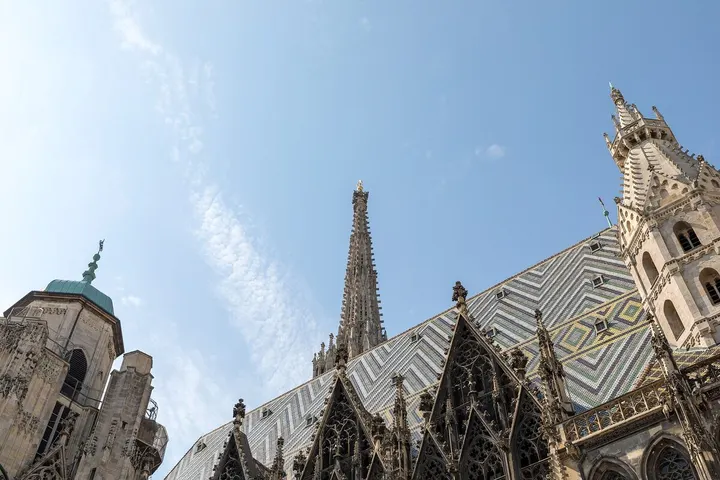 Photo: Dietmar Rabich · CC BY-SA 4.0 · Wikimedia Commons
Hotels near the station and old town, many with free cancellation
Partner links · we may earn a small commission when you book, your price stays the same
Let Rin design a trip for your group