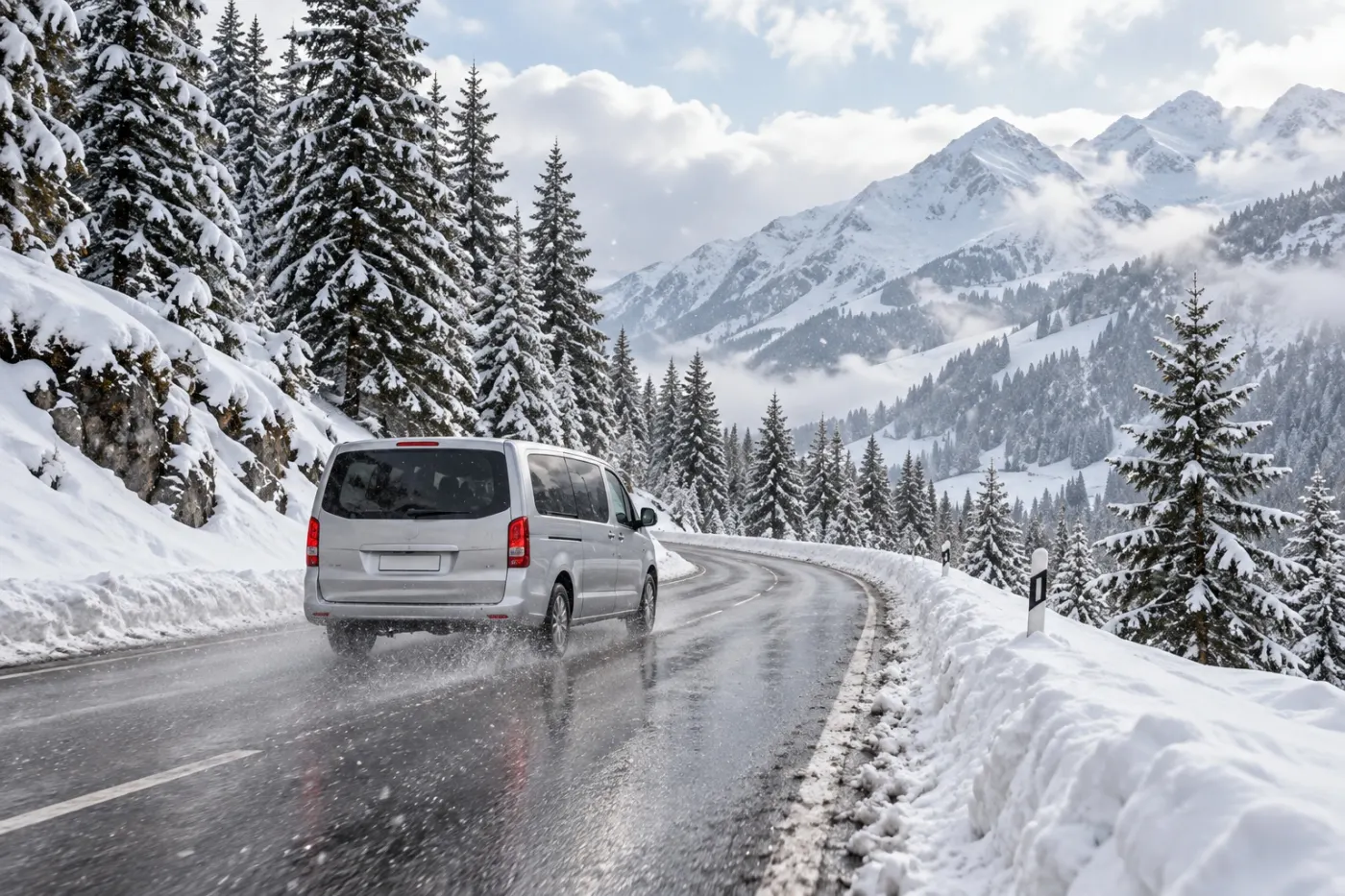
Many people ask Rin: "Is driving around Switzerland difficult?" "What is the difference between driving in Switzerland in summer vs. winter with snow, and how much harder is it? Could you do a review for us?"
Having driven around Switzerland on my own, today I have gathered essential tips and key information for everyone. Let me assure you: if you prepare well, driving around Switzerland is not difficult and even more rewarding than you imagine.
Is driving around Switzerland "difficult" for Thai travelers?
A great platform to compare self-drive rental car prices: Check it out here
Speaking from direct experience, driving around Switzerland "is not as difficult as you think." The roads are in excellent condition, signs are clear, and fellow drivers are very disciplined. The big perk of renting a car is total flexibility: stop for photos or enjoy gorgeous roadside views freely without lugging heavy bags up and down train stations.
However, while driving is easy, there are small challenges to keep in mind, such as:
- Driving on the right, steering wheel on the left: It may take a little time initially to get used to distance judgment and mirror checks.
- Strict traffic rules: Especially speed limits. Switzerland has numerous speed cameras and hefty fines, so never exceed the speed limit.
- Pedestrians always come first: When you see someone waiting at a zebra crossing, you must stop immediately. Never honk your horn at pedestrians.
How to prepare before you go (must-know tips for Thai travelers)
Required documents to carry together:
International Driving Permit: Must be obtained in advance from the Department of Land Transport (choose the 1949 Geneva Convention, valid for 1 year).
Original Thai Smart Card Driver's License: Always carry this alongside your International Driving Permit, because the permit is merely a translation booklet and must be presented with the original card.
Choosing vehicle type: We recommend reserving an automatic car well in advance, as most rental cars in Europe are manual. Also, get Full Coverage insurance (No Excess) for complete peace of mind, since car repair costs in Switzerland are very high.
Motorway Vignette: When driving on motorways, this sticker must be affixed to the windshield (most rental cars already have one, but always verify with staff before driving off).
Comparison Review: Driving in Switzerland "Summer" vs. "Winter"
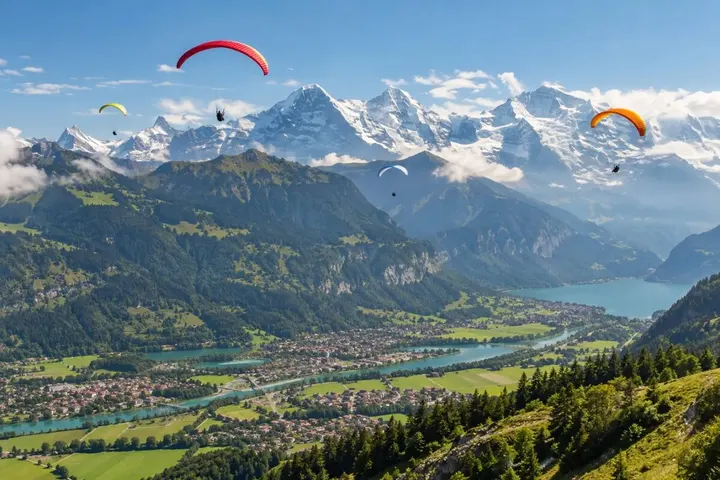
Summer (June - August): Most relaxing with stunning scenery
- This season is truly a paradise for road trip lovers!
- Atmosphere: Lush green nature, pleasant weather, and long daylight hours (it gets dark late, around 9 PM, about 3 hours before midnight), giving you plenty of time to explore to your heart's content.
- Routes: All roads are open, including mountain passes, offering spectacular panoramic views.
- Difficulty: Easiest to drive because the roads are dry with excellent visibility (though you should be mindful of crowds and parking can be a bit tricky!).
Winter (November - March): Romantic, but challenging
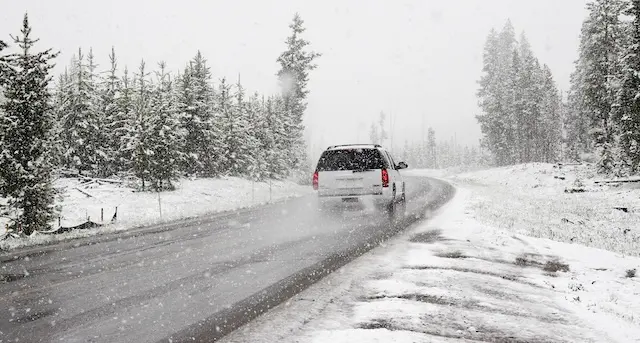
- During this period, Switzerland turns into a picture-perfect snowy wonderland, but it is "the most difficult and dangerous" for those who are unfamiliar with it.
- Routes: Most mountain passes are closed due to heavy snow.
- Difficulty: Road surfaces may have black ice, which is extremely slippery; high caution is required, and avoid sudden braking.
- Requirements: Rental cars are required to have winter tires, and some areas may require snow chains; you also need to check road conditions regularly.
Handy Tips from Rin
Phone mount and charging cable: Bring your own universal car phone mount in your luggage, as you will definitely need Google Maps for navigation the entire way.
Sunglasses: An absolute must-have. Glare reflecting off snow or glass in the mountains can be blinding.
Parking: Avoid driving into major city centers because parking is hard to find and very expensive. We recommend parking in peripheral park-and-ride lots (Park & Ride) and taking public transit into town—it's far more convenient.
Compare self-drive car rental prices
via DiscoverCars.com, a world-class car rental comparison platform offering deals from over 1,000 suppliers across over 10,000 locations in more than 160 countries. Customers benefit from transparent pricing, free cancellation, and 24/7 multilingual support.
Check it out here:
Essential Swiss traffic rules you should know and strictly follow:
- Speed Limits: Pay extra attention to speed limits, as there is a dense network of automatic speed cameras and fines are very high. Generally, speed limits are 50 km/h in urban areas, 80 km/h outside urban areas, and 120 km/h on motorways.
- Pedestrian Right-of-Way: Drivers must immediately yield to pedestrians waiting to cross at zebra crossings. Never honk your horn at them, as Swiss traffic culture places the highest priority on pedestrians.
- Motorway Vignette: When driving on motorways, every vehicle must display a Vignette sticker on the windshield (if renting a car in Switzerland, it is usually included, but always confirm with the rental company).
- Driving on the Right: Switzerland drives on the right side of the road with left-hand drive vehicles.
- Roundabout Priority: Vehicles already in the roundabout or arriving first always have the right of way.
- Speed Cameras: Switzerland is renowned for strictly enforcing traffic laws. Speed cameras are everywhere; even slight speeding can result in a fine sent to your home or rental company.
- Winter and Mountain Driving: Never underestimate mountain passes. Outside of summer, these passes may be closed, or if open, can have snow and ice on the surface. Using engine braking (low gears) is crucial when driving downhill to prevent brakes from overheating.
Parking Rules
- Never park in yellow bays (these are strictly private parking spaces).
- Blue bays require a parking disc displayed on the dashboard showing your arrival time.
- Illegal parking in Switzerland incurs hefty fines and your vehicle may be clamped or towed.
Yielding to Public Transit: If a bus or tram is pulling out from a stop or crossing an intersection, always give way. Trams, in particular, almost always have right-of-way over cars in urban areas.
Sudden Weather Changes: Even in summer, high mountain peaks can experience sudden rain or thick fog. Always check weather and road status before setting off.
Motorway Regulations: Driving on motorways without a valid Vignette sticker carries severe penalties, so make sure to check this upon picking up your vehicle.
No Unnecessary Honking: Honking inside city areas is considered very impolite, except in emergencies to avoid an accident.
Using Car Trains (Autoverlad)
In Switzerland, car trains are a very convenient way to cross valleys without driving long detours, or when mountain passes are closed during winter. Taking a car train is an exciting experience and saves a lot of driving energy, especially when heading to destinations on the other side of the Alps. This service is mainly operated by Matterhorn Gotthard Bahn and BLS, with popular tourist routes including:
- Furka Line (Oberwald - Realp)
- Simplon Line (Brig - Iselle)
- Lötschberg Line (Kandersteg - Goppenstein)
- Vereina Line (Selfranga - Sagliains)
Things to Know Before Taking a Car Train
No advance booking needed: For standard private cars, simply drive up and queue at the station. It operates on a first-come, first-served basis (except during peak holiday periods when queues may be longer).
Stay inside your car: Once loaded onto the train, turn off your engine and remain seated inside your car (some train sets allow walking in passenger cars) until arriving at your destination.
Pricing: Fares are charged per vehicle (including all passengers inside) and vary depending on the route and season (High/Low Season).
Check timetables: We recommend checking schedules and operating status at bls.ch (for Lötschberg/Simplon lines) and matterhorngotthardbahn.ch (for the Furka line).
Mountain Passes (Alpine Passes)
Switzerland's alpine passes offer world-class scenery, but also pose real challenges for drivers. Here is what you need to know for a safe trip:
Road status is essential (most important!)
Most Swiss alpine passes are completely closed during winter (roughly November through May) due to heavy snow and unsafe driving conditions.
How to check: You must always check real-time road conditions before departing via alpen-paesse.ch, which indicates whether each pass is "Open" or "Closed."
Legendary Passes You Should Know
- Gotthard Pass: A historic route linking northern and southern Switzerland, featuring the beautiful and challenging historic cobblestone road (Tremola).
- Furka Pass: Made famous by the James Bond film Goldfinger, featuring gorgeous hairpin turns and viewpoints overlooking the Rhone Glacier.
- Grimsel Pass: A scenic route filled with reservoir lakes and dramatic alpine landscape vistas.
- Susten Pass: A favorite among road trippers thanks to wider roads and breathtaking views alternating between rugged mountains and waterfalls.
Driving Techniques on Passes
Use Engine Braking: When driving downhill, never ride the brakes continuously, as they will overheat, lose braking power, or burn out. Shift into a low gear (L, S, or manual mode +/-) so the engine helps slow the vehicle.
Give way to uphill traffic: According to international mountain driving rules, vehicles driving "uphill" always have the right of way. If you are driving downhill and encounter an oncoming car on a narrow road, look for a passing turnout or reverse to the roadside to let them pass first.
Don't rush: These mountain roads are not race tracks. Do not tailgate the car ahead or speed; drive steadily for your safety and to enjoy the views.
Additional precautions
Motion sickness: If you are traveling with passengers, routes with numerous hairpin turns can easily induce motion sickness. Prepare motion sickness medication and drive smoothly.
Altitude and weather: On high mountain passes, the air is thinner and noticeably colder than on the lowlands. Even in summer, always keep warm jackets in the car.
Public buses: On mountain roads, you might encounter yellow PostBus coaches, which are very large. Keep a safe distance and give way to buses, as they require a wide turning radius to negotiate curves.
Tip: If you are a beginner or driving abroad for the first time, tackling Alpine passes might feel overwhelming. If you don't feel completely confident, you can choose tunnel routes or use a car train service instead.
Key car-free towns in Switzerland (where you cannot park)
Switzerland is renowned for its environmental protection policies and vehicle restrictions in tourist towns to preserve fresh air and scenic landscapes. Key car-free towns and villages popular with travelers include:
Key car-free towns in Switzerland (where you cannot park)
- Zermatt: The famous resort town at the foot of the Matterhorn allows only small electric vehicles (electro-mobiles), bicycles, and horse-drawn carriages.
- Wengen and Mürren: Beautiful villages perched on mountain slopes in the Jungfrau region that are completely car-free.
- Saas-Fee: Another famous car-free village where visitors must park their cars at the parking garage at the town entrance.
- Grächen and Riederalp: Other small mountain villages where cars are strictly prohibited.
What to do when road tripping (when visiting car-free towns): If you plan a road trip in Switzerland and want to visit these towns, here are the essential guidelines to know:
Use "Park & Ride": Since you cannot drive into these towns, park your vehicle at a public parking lot or garage located right at the gateway train station (for example, park at Täsch station and take the train into Zermatt, or park at Lauterbrunnen station and take the train up to Wengen).
Plan luggage storage: Move essential items into a backpack or small bag for overnight stays. For large suitcases, you can leave them in the car (if secure) or use the Swiss public transport baggage service (SBB Luggage Service).
Switch to public transit: Once at the parking and transit point, connect via trains, trams, or cable cars, which are very convenient and punctual in Switzerland.
Check no-entry zone signs: Switzerland has clear traffic signs, such as a white circle with a red border containing a cross or general vehicle-prohibited symbol (often exempting local residents or authorized delivery vehicles). Never drive into these zones, as fines are very high and there may be nowhere to turn around.
Essential numbers to know
If an emergency occurs on the road while driving in Switzerland, here are the vital phone numbers to save:
Main emergency numbers (toll-free, 24 hours)
112 : European Emergency Number. If you cannot recall other numbers, call this immediately. English is supported, and calls work even without your primary carrier signal.
117 : Police. For car accidents, traffic obstructions, or when police assistance is needed.
118 : Fire Department. In case of fire or serious accidents involving smoke or fire.
144 : Emergency Medical Services / Ambulance. If anyone is injured or faces a medical emergency.
Roadside Assistance
In case of breakdowns, flat tires, running out of fuel, or technical problems on the road:
140 : Swiss Roadside Assistance (TCS - Touring Club Switzerland). If you are a member or your rental package includes breakdown coverage, you can call this number.
Car Rental Provider: Check the emergency roadside assistance/support number of your rental company, usually listed in your rental agreement or on stickers on the windshield/car key. This is often the most convenient option, as they can arrange replacement cars or coordinate repairs right away.
Additional tips in case of an accident
Safety first: Turn on hazard lights, put on reflective safety vests, and place the reflective warning triangle behind the vehicle at a safe distance.
Call emergency services: If anyone is injured or there is a major road obstruction, call 117 or 112 first.
Take photos and document evidence: Photograph vehicle damage, the other party, and license plates for insurance claims. Never sign any admission of fault if unsure; wait for the police to arrive and handle the situation.
Hire a private van with driver
If driving in Switzerland feels a bit challenging, or you simply want to sit back, relax, and soak in the breathtaking views without worrying about navigation, booking a "private van with driver" with See You Again is the ultimate choice for total comfort and peace of mind.
- Worry-free travel: No stress over strict traffic rules, difficult parking, or perilous mountain curves.
- Tailored flexibility: Freely adjust your schedule and scenic stops to fit your personal travel style.
- Comfort and safety: Perfect for families, offering generous space, reduced fatigue, and care from a professional driver skilled in local routes.
Let See You Again take care of your Swiss journey so you can immerse yourself in nature without tiring behind the wheel.
Contact Rin
Book the rest of the trip yourself
Our team takes care of the car with driver; book accommodations and flight tickets yourself here

Thai language, pay in baht
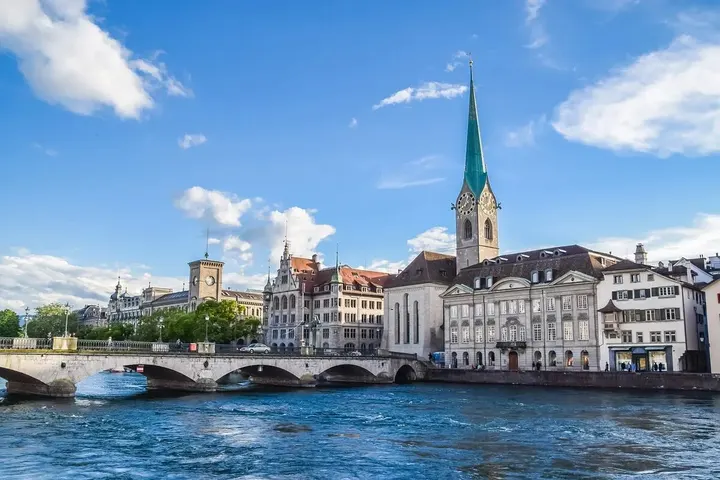
Hotels near the station and old town, many with free cancellation
Sightseeing tickets, booked ahead, no queue
One way from about 9,283 baht (Nov 2026)
Partner links · we may earn a small commission when you book, your price stays the same