Rin's Review: How to Pack for Iceland in Winter
A trip to "Iceland," the land of fire and ice, is a dream for many people.
If you are about to explore the island's wonders in winter, hunting for the Northern Lights and walking through thousand-year-old blue ice caves,
you need to be even better prepared, because Iceland's weather is famously changeable and hard to predict, with snow, strong wind and rain all in the same day.
To keep your small-group trip warm, enjoyable and full of great photos without standing there shivering, here is a checklist of the essentials that we Thais need to pack.
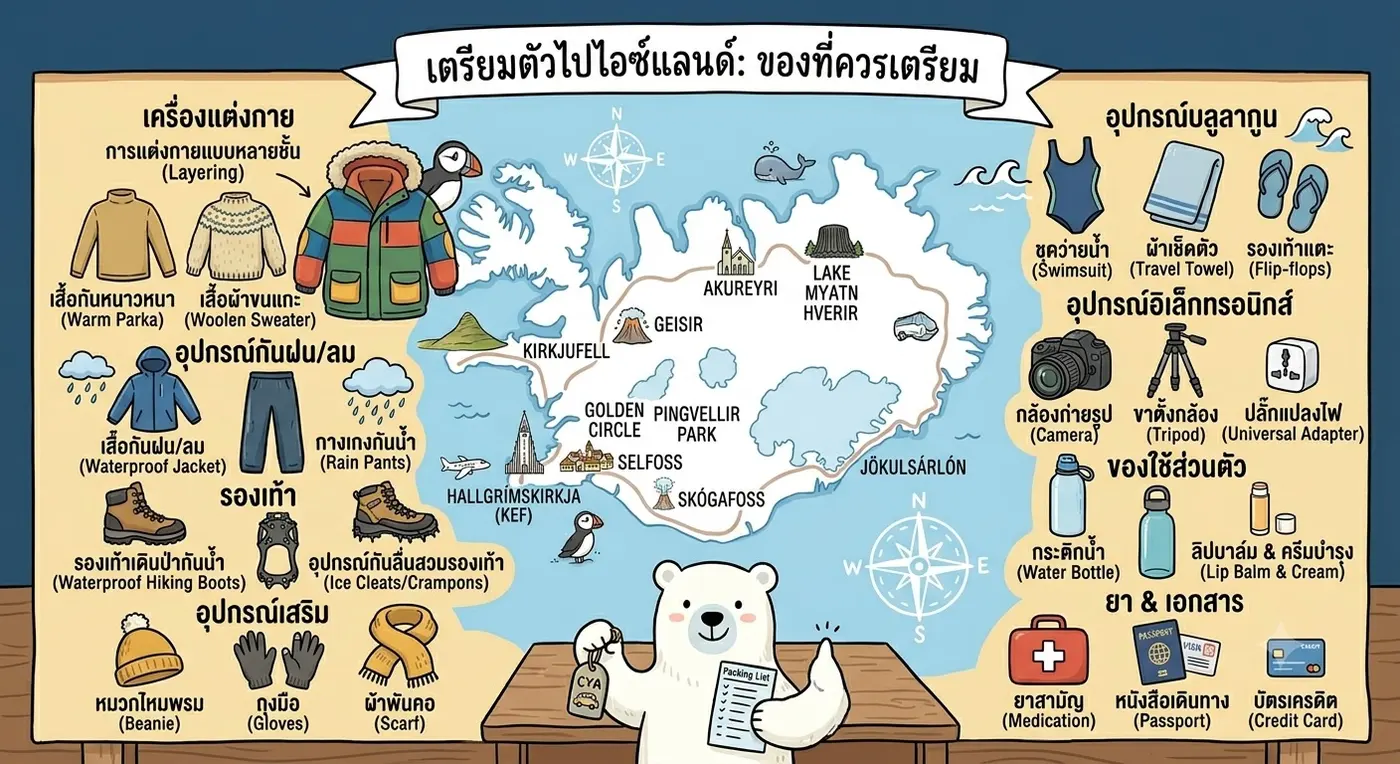
Clothing: the keyword is "Layering"
We Thais may not be used to sub-zero cold and strong wind. The best way to dress is not to wear a single thick jacket,
but to wear clothes in layers to trap warmth.
Base Layer (innermost layer): long johns or Heattech (Thermal Underwear)
We recommend choosing an extra-warm (Ultra Warm) version, which wicks away moisture and holds in your body heat very well.
Mid Layer: Fleece or a woolen sweater adds one more layer of warmth.
Outer Layer (the most important one): a thick warm parka, or a waterproof and windproof jacket.
The wind in Iceland is very strong, and an ordinary down jacket that isn't windproof just won't cope! Choose one labeled Gore-Tex, or one that is both windproof and rainproof.
For trousers, bring waterproof/windproof rain pants for walking by waterfalls or into ice caves, because spray and snow can soak regular jeans and leave you freezing.
Shoes and anti-slip gear: walk safely and take photos with peace of mind
When you visit waterfalls, walk on the black sand beach, or go into a natural ice cave in winter, the ground is slippery and covered with a glaze of ice.
Waterproof hiking boots should be ankle-high with deep treads that grip well, and they must be "100% waterproof" only.
Because once your feet get wet, the cold doubles instantly.
Ice cleats / crampons are spikes or studded rubber that slip on over your shoes.
These are very useful when walking on thick ice, for example on the path to Svartifoss waterfall, to prevent slips, falls and injuries.
Extra warmth: small details you shouldn't overlook
Your body may be warm, but your extremities, such as your head, ears and hands, need protection too.
Beanie: choose one that also covers your ears, because when the wind blows hard, your ears will hurt a lot.
Gloves: we recommend waterproof/windproof ones, ideally touchscreen gloves that let you use your phone without taking them off.
That will make it very easy for you to press the shutter and photograph the Northern Lights.
Scarf or balaclava keeps the cold wind from hitting your face and neck.
Swimsuit and spa gear: don't forget them!
Why bring a swimsuit to Iceland in winter? Because one of the highlights here is soaking in hot mineral pools in the middle of the snow!
Swimsuit: for soaking at the Blue Lagoon on the first day, and at Vik Baths, a stunning floating lagoon.
Flip-flops & a small towel, for walking between the changing room and the hot pool.
(Some places rent these, but bringing your own is cheaper and more convenient.)
Electronics for dream Northern Lights photos
Tripod: if you want beautiful, sharp, blur-free photos of the Northern Lights (Aurora), a tripod is a must-have.
The Icelandic wind is strong, so choose a reasonably sturdy tripod.
Power bank: in extreme cold, phone and camera batteries "drain 2-3 times faster than usual".
Always keep your power bank in a warm inside pocket of your jacket.
Universal adapter: Iceland uses European sockets (Type C and F) with 2 round pins. Don't forget to bring one to charge your devices.
Personal items & common medicines (Thai travelers' secrets)
Lip balm & rich moisturizer: the air in Iceland is very dry and cold, so your skin and lips will crack more easily than in Thailand.
Portable thermos (water bottle): sipping warm water in the van while taking in the views of the East Fjords is really soothing and keeps your body nicely warm.
Personal medication and common medicines: antihistamines, fever reducers, motion sickness pills (for those who get carsick easily on winding fjord roads) and plasters. Keep them together in a small bag that you carry with you.
Iceland is a 100% cashless country, and almost nobody uses cash.
Everything from restroom fees and restaurants to small souvenir shops accepts credit cards, or you can use a Thai bank's travel card. It's very convenient and safe.
No need to bother exchanging money for Icelandic krona (ISK).
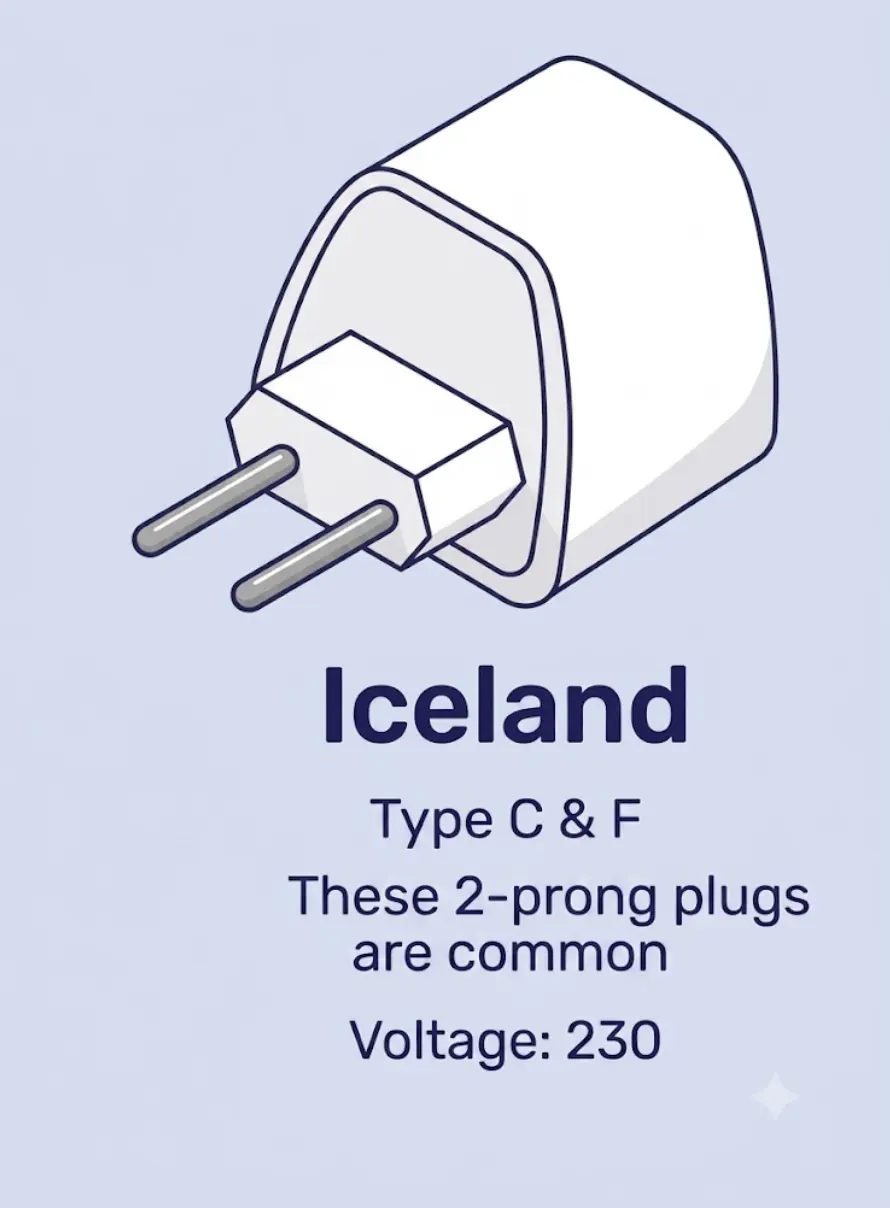
What Thai travelers need to know about Iceland's electrical system: Iceland uses Type C and Type F plugs (European two-round-pin)
The sockets there are round recesses set deep into the wall, with 230V / 50Hz (close to Thailand's 220V, so IT devices and cameras from Thailand
can be plugged in and charged right away without a voltage converter.) We recommend bringing a universal adapter (world travel plug)
with round double-pin plugs, and also bringing a three-way plug/extension strip from Thailand, because some hotels may have only a limited number of wall sockets.
That way you can charge your phone, camera and power bank at the same time every night.
Ready yet? Get everything together, pack your bags, and set off on a premium experience around Iceland with See You Again!
Planning it yourself?
What independent travellers usually book before they go, from providers that actually work

Thai language, pay in baht
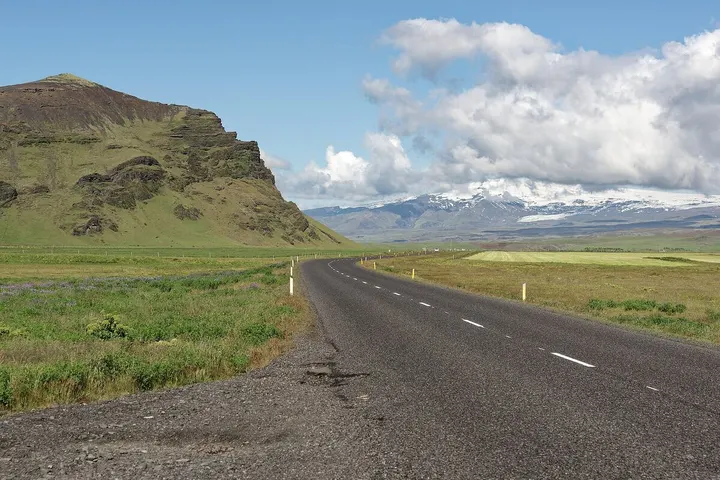 Photo: Jakub Hałun · CC BY 4.0 · Wikimedia Commons
Compare many rental companies on one page
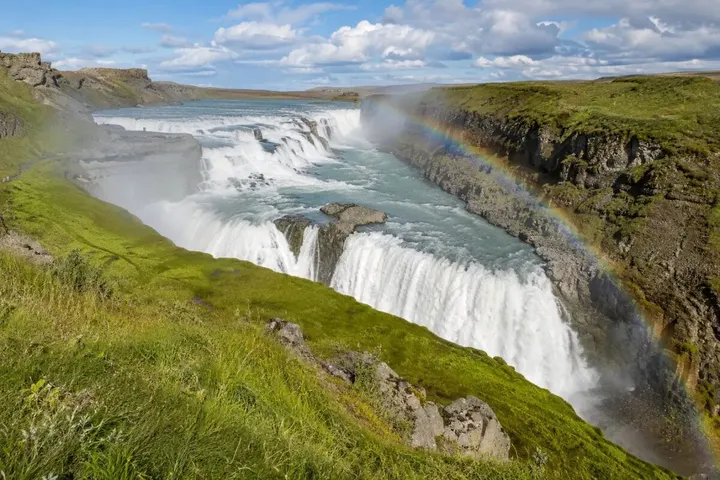
Popular with Thai travellers, Thai-language pages
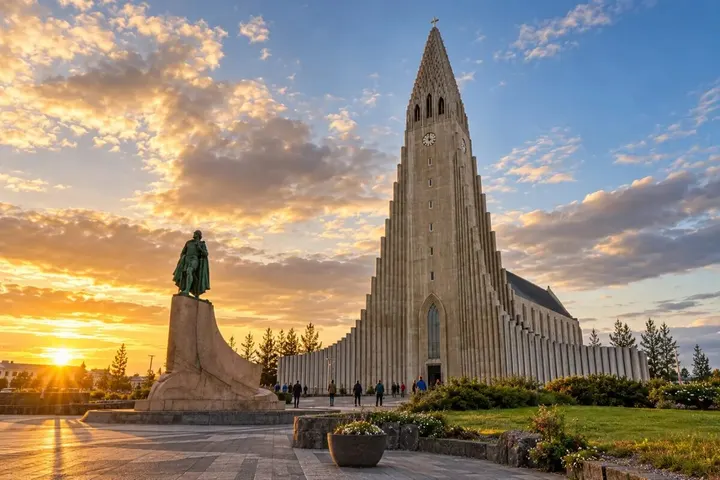
Museum and landmark tickets, ready on your phone

Hotels near the station and old town, many with free cancellation
One way from about 14,289 baht (Dec 2026)
Partner links · we may earn a small commission when you book, your price stays the same
Let Rin design a trip for your group