Before visiting Iceland, let's explore its seasons and weather so packing your bags becomes much easier.
Winter
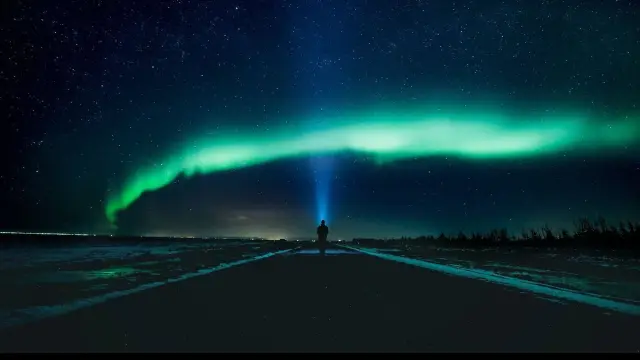
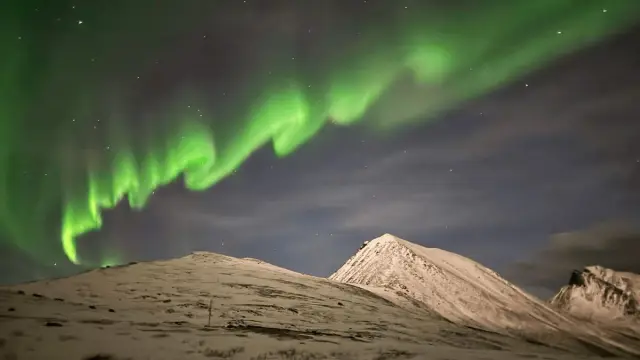
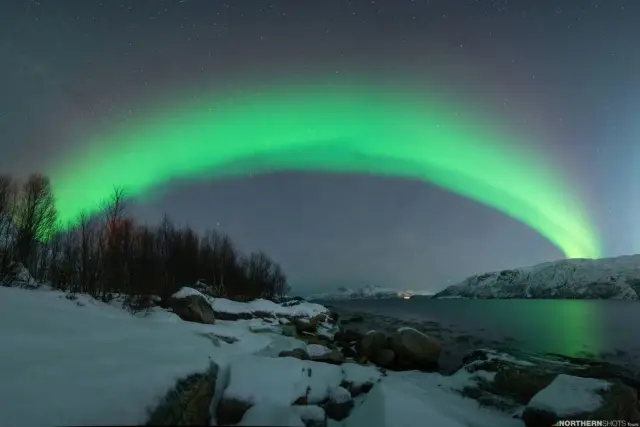
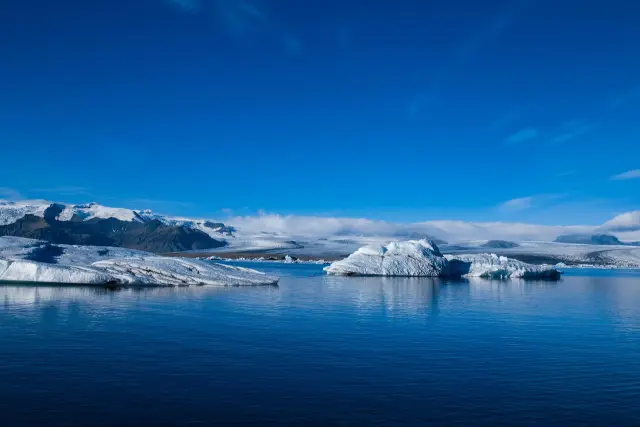
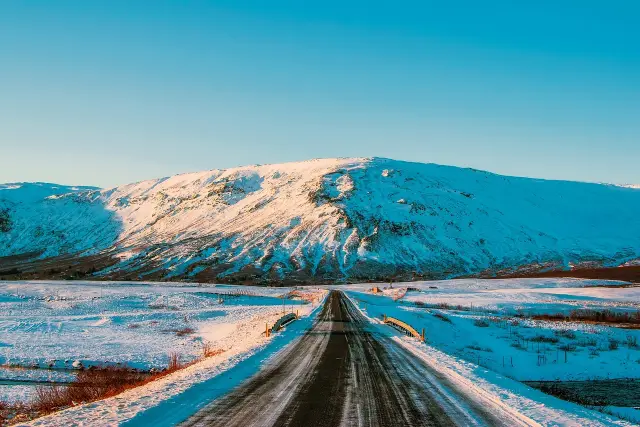
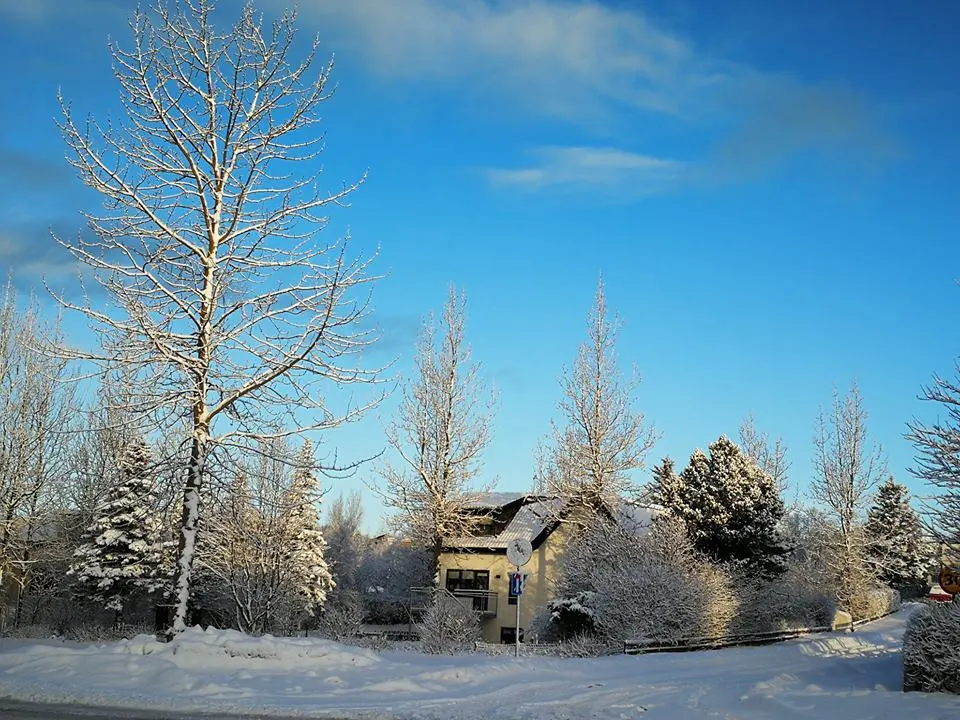
Spans December, January, February, into early March. For those who don't mind the cold (temperatures from -25 to -30°C), See You Again recommends an extraordinarily stunning and chilly highlight for everyone to see: the ice cave in Skaftafell. This cave formed from a frozen lake and the Svinafellsjokull Glacier. The ice opening at the cave mouth is about 22 feet high. The highlight of this ice cave is the blue walls and crystal-like light-blue ice formations that make this an unmissable spectacle. Another must-see experience is "Northern Lights hunting"—an awe-inspiring natural wonder you truly need to witness in person.
Northern Lights article here:...............
You can read tips on photographing the Northern Lights here:.....................
Spring
Begins in April and runs through late May, with average temperatures between 0-10 degrees Celsius. If you travel in the south, you might encounter some rain, but the north tends to be drier and cooler. During this season, Icelanders celebrate the First Day of Summer on the first Thursday after April 18, which is an official public holiday. Typically, snow still caps the mountain peaks, creating a striking contrast between the white snow above and the thawed lower slopes. This reveals orange patches of dried grass buried under snow from the previous year alongside fresh green shoots sprouting anew. Daytime and nighttime hours are roughly equal during this time of year.
Read more about the Midnight Sun here:..................
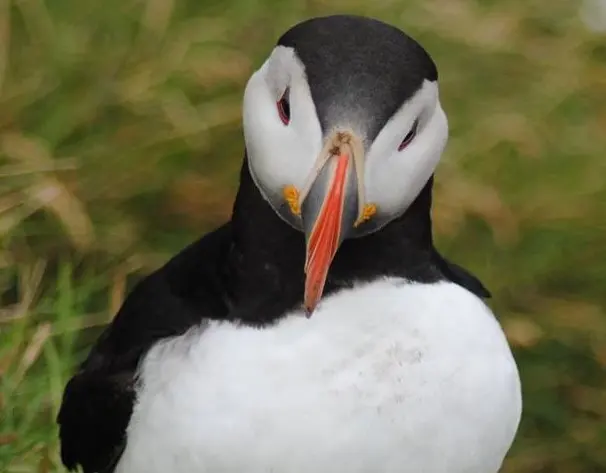
And we will get to spot the first puffin colonies arriving in April, staying until September, as well as the bird known as Lóa or Golden Plover, which seems to usher in springtime. We can encounter these birds here until late March as well.
Summer
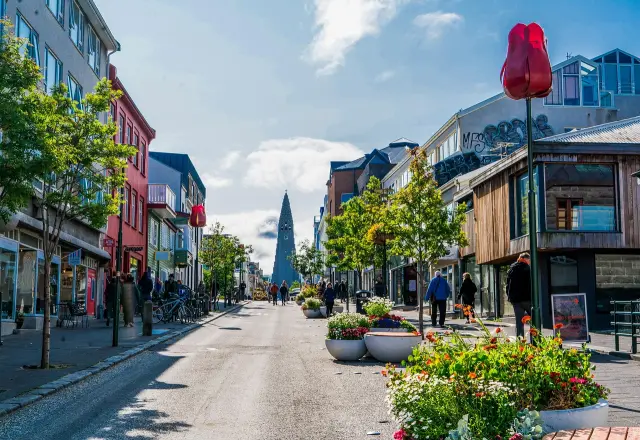
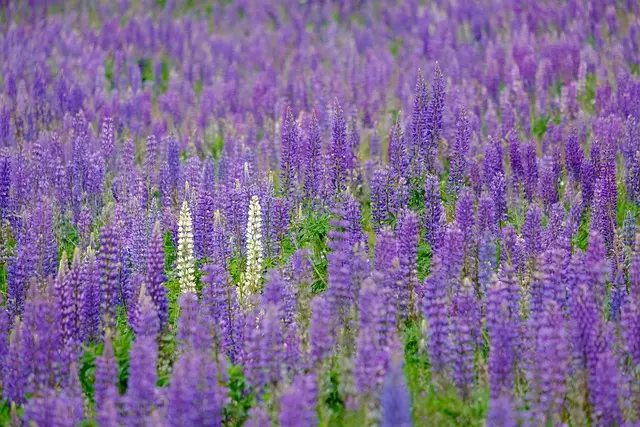
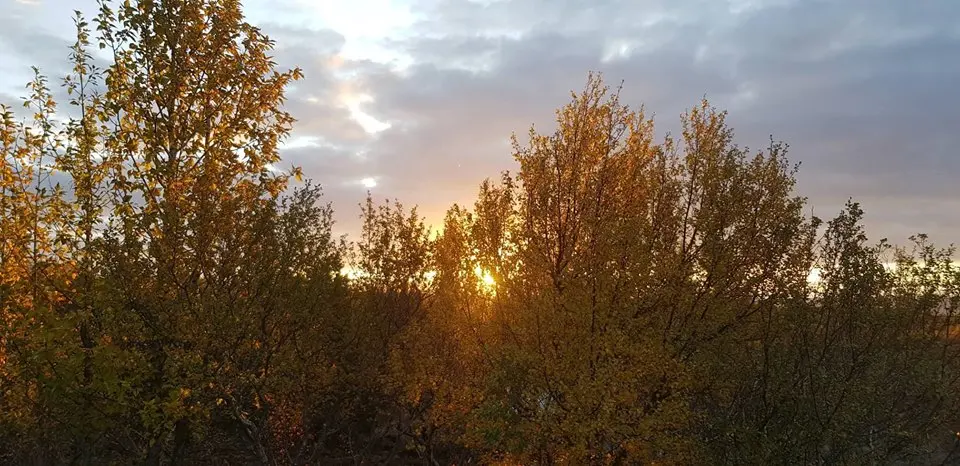
Occurs during June, July, and August, with average temperatures between 10–15°C. This is a season Icelanders truly cherish—not only can everyone dress differently, but there are also countless activities to enjoy, as the sun sets around midnight. Travelers can experience various activities, including music, art, and shops. For photography lovers, this is the perfect time to capture gorgeous shots, with colorful blooming flowers, lush greenery, pastoral grazing animals, verdant moss-covered lava fields, and the lingering glow of the Midnight Sun. From 11:00 PM to 3:00 AM, the sky turns into a breathtaking canvas of vibrant colors.
Autumn
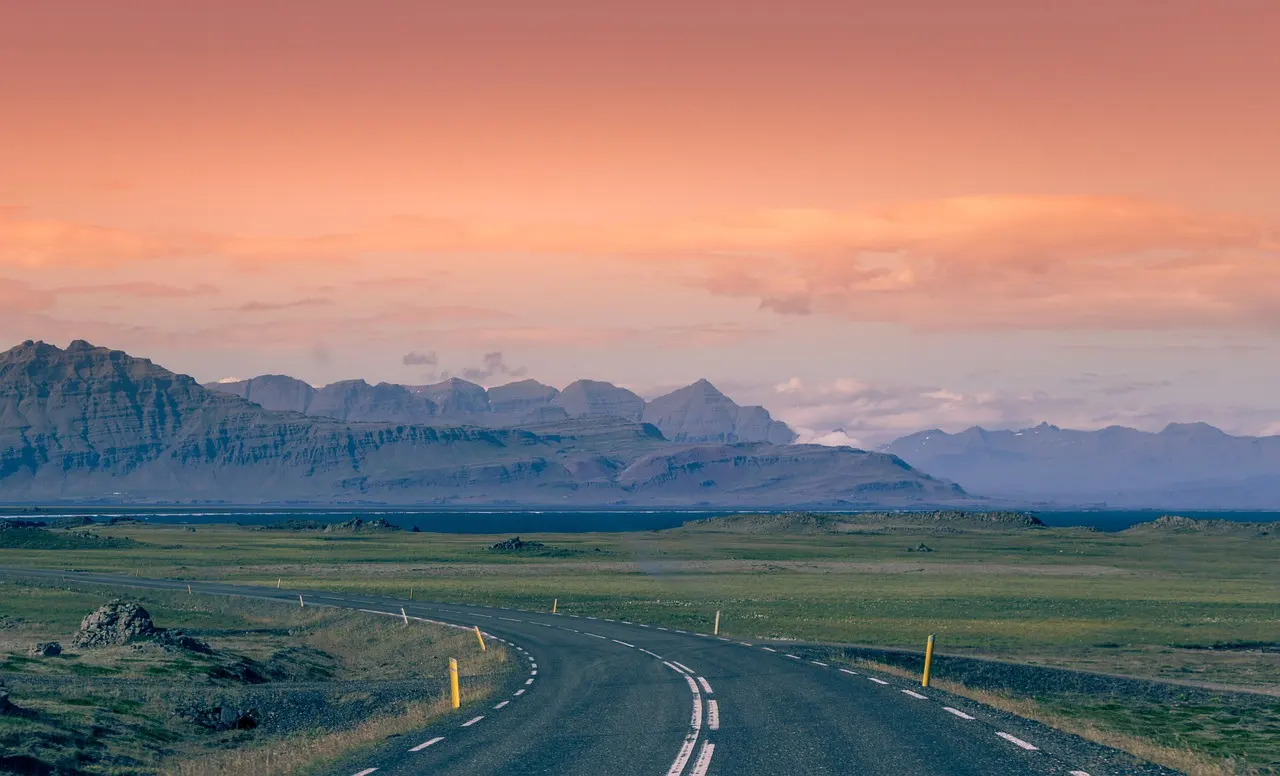
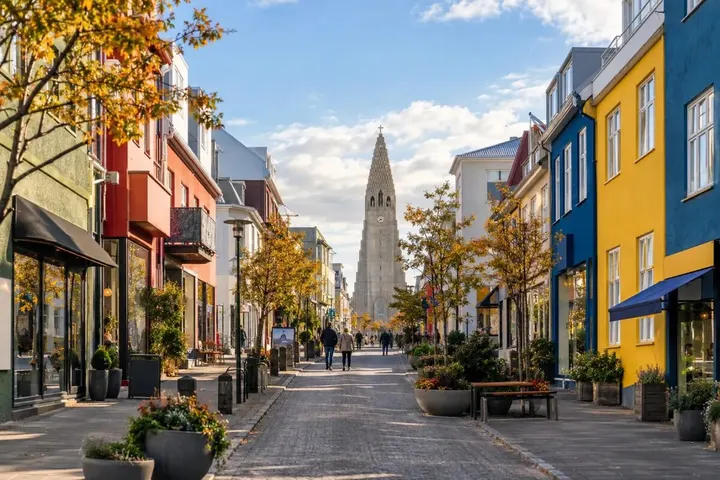
Spans September, October, and November, with average temperatures between 0–10°C. The magic of this season lies in the autumn foliage colors before the leaves fall—ranging from soft orange to deep crimson, and pale yellow to vibrant gold and pink. Looking across the lava fields, the green moss contrasts beautifully with red and yellow leaves, all set against towering snow-dusted mountain backdrops like a masterpiece crafted by nature. This season is also a wonderful time to chase and witness the Northern Lights.
Whichever season you prefer, explore our Iceland private tour itineraries here:..........................
Planning it yourself?
What independent travellers usually book before they go, from providers that actually work
Thai language, pay in baht
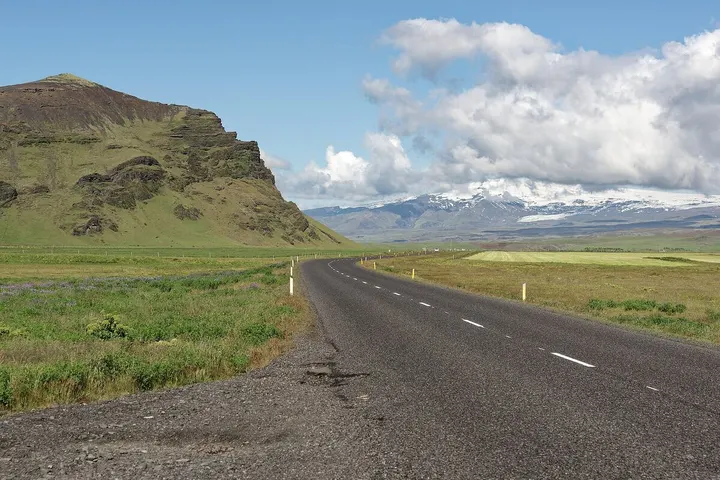 Photo: Jakub Hałun · CC BY 4.0 · Wikimedia Commons
Compare many rental companies on one page
Popular with Thai travellers, Thai-language pages
Museum and landmark tickets, ready on your phone
Hotels near the station and old town, many with free cancellation

One way from about 14,289 baht (Dec 2026)
Partner links · we may earn a small commission when you book, your price stays the same
Let Rin design a trip for your group