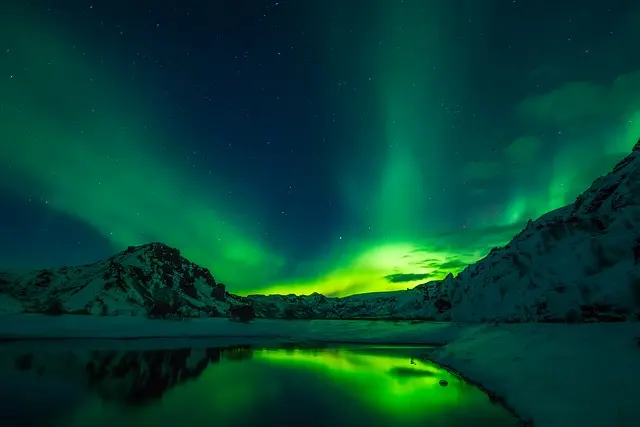
When is the best time to see the Northern Lights?
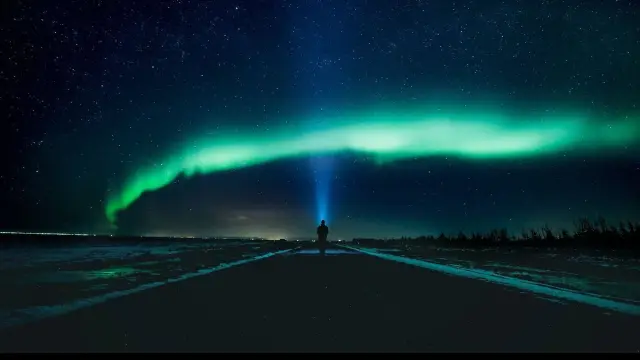
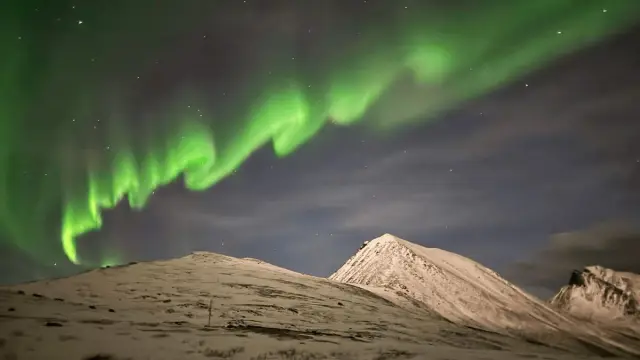
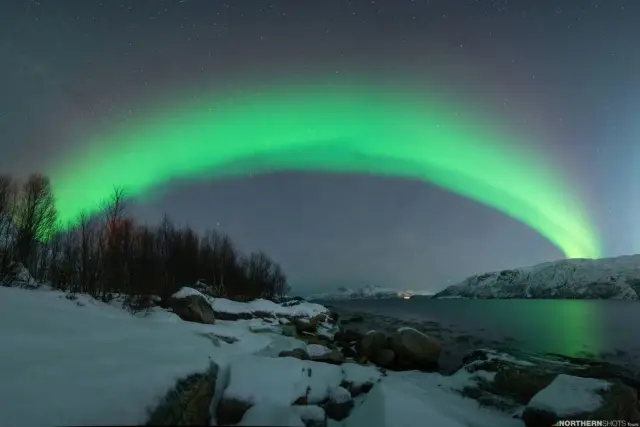
In Iceland, the Northern Lights can be seen for up to 8 months of the year, from early September through late April. Scientifically, the aurora occurs when charged particles enter Earth's magnetic field in the upper atmosphere and ionize gases. The intensity of the light display depends on solar activity and particle acceleration. Due to Earth's magnetic field, auroras only appear near polar regions—specifically above 60 degrees North latitude (Aurora Borealis) and below 60 degrees South latitude (Aurora Australis). Iceland, situated at approximately 64 degrees North latitude, is perfectly positioned for chasing the Northern Lights.
The Magic of the Northern Lights
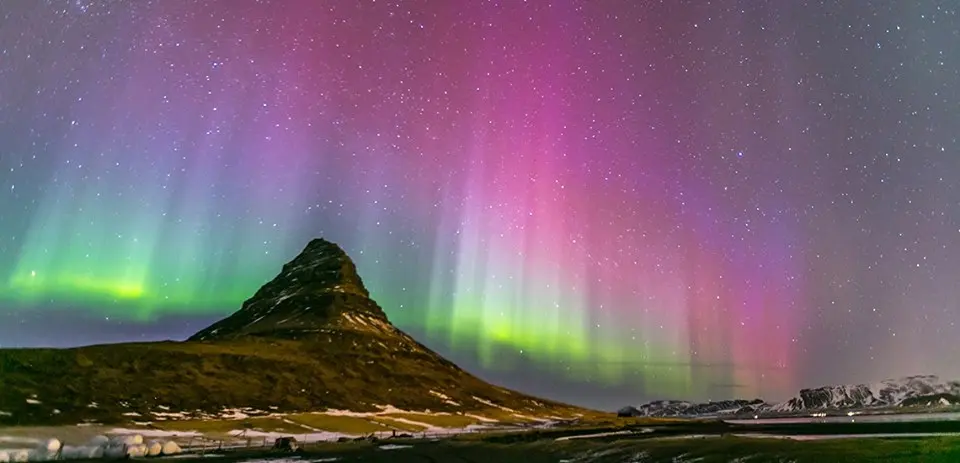
Their charm lies in the breathtaking, dance-like movement across the night sky in vibrant colors. Green is the most common, but purples, reds, pinks, oranges, and blues also appear depending on the atmospheric gases ionized—captivating every traveler lucky enough to witness them.
Ancient Beliefs and Legends
In ancient times, different cultures held fascinating beliefs about these ethereal lights. In Norse mythology, they were believed to be the shimmering armor of the Valkyries—female figures who decided who lived or died in battle and led fallen warriors to the afterlife.
Certain Native American groups believed the lights were celestial spirits, and the brighter the lights danced, the happier the spirits were.
In medieval Europe, the Northern Lights were seen as omens or warnings of impending dark times.
During the Battle of Fredericksburg in the American Civil War, Confederate soldiers believed the appearance of auroras in the night sky was a favorable omen. They fought fiercely and won the battle, although the good fortune associated with the Northern Lights did not last throughout the entire war.
Key Factors for Viewing the Northern Lights
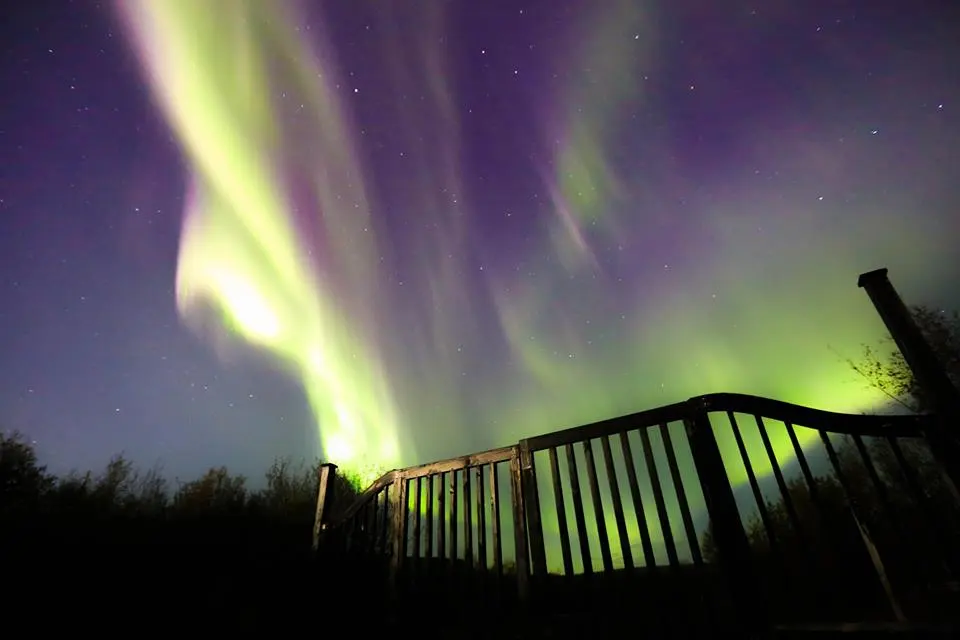
Catching the Northern Lights depends on several key conditions. For example, traveling between September and April is ideal, and the night should be as dark as possible—making full moon nights less favorable. Clear skies free of heavy cloud cover are crucial, and longer nighttime hours provide the best opportunities. Forecasting aurora activity remains tricky, as accurate space and cloud predictions can only be made 1 to 2 days ahead of time. In many ways, a bit of good luck is always part of the adventure.
Which towns are best for Northern Lights viewing?
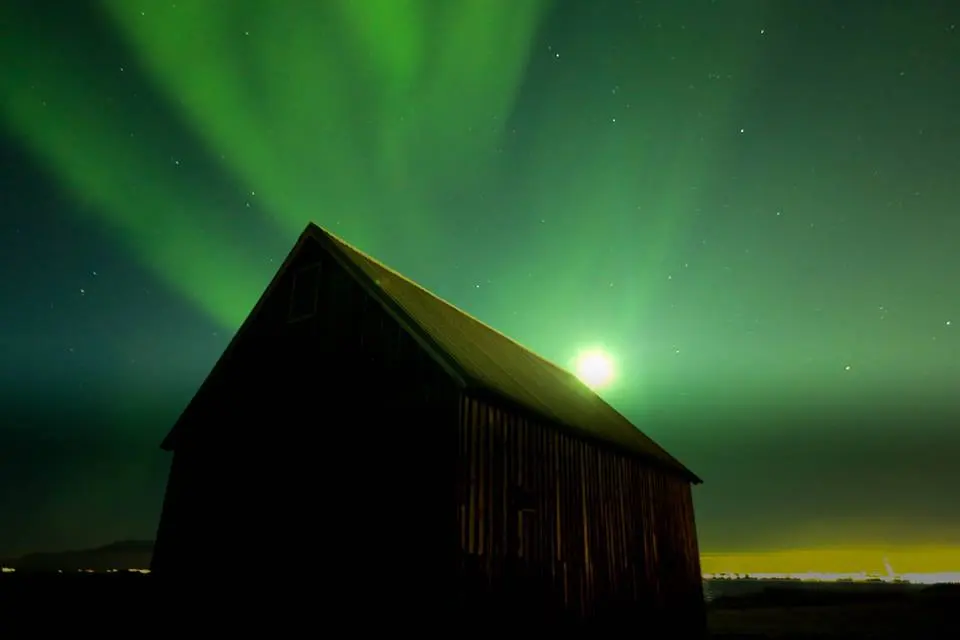
To experience the aurora with clarity, head out to the Westfjords or North Iceland, where longer night hours significantly improve your chances of catching the Aurora Borealis. In Reykjavik during the winter solstice, nights stretch up to 20 hours of darkness, while the northernmost regions can experience nearly 22 hours of darkness.
Camping just outside town in Iceland is another wonderful option: sleeping under a star-filled sky and giving yourself prime chances to witness the dancing Northern Lights.
Planning it yourself?
What independent travellers usually book before they go, from providers that actually work

Thai language, pay in baht
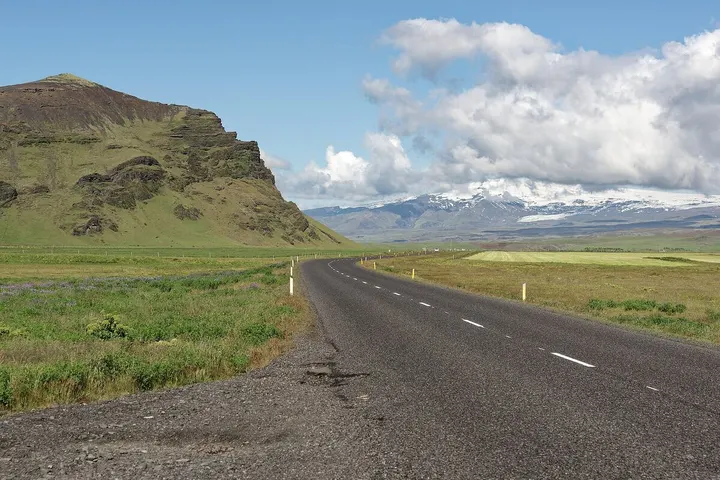 Photo: Jakub Hałun · CC BY 4.0 · Wikimedia Commons
Compare many rental companies on one page
Popular with Thai travellers, Thai-language pages
Museum and landmark tickets, ready on your phone
Hotels near the station and old town, many with free cancellation

One way from about 14,289 baht (Dec 2026)
Partner links · we may earn a small commission when you book, your price stays the same
Let Rin design a trip for your group