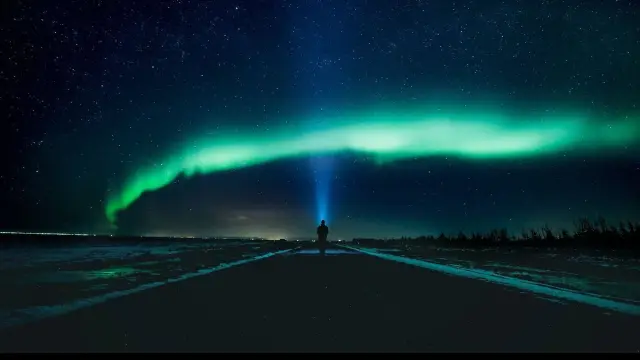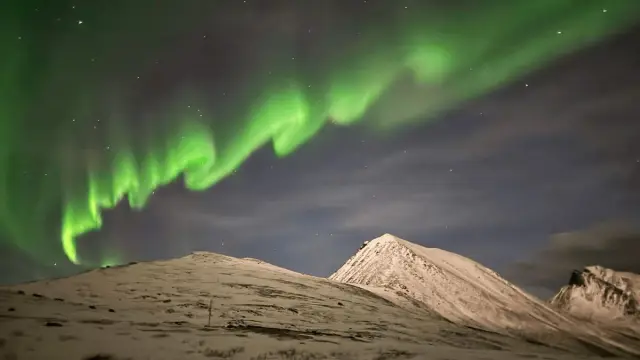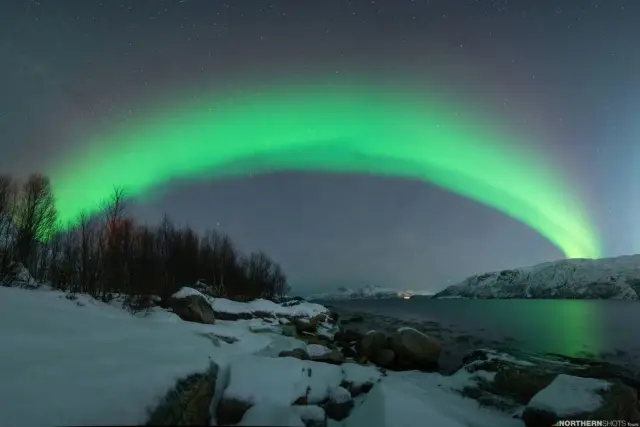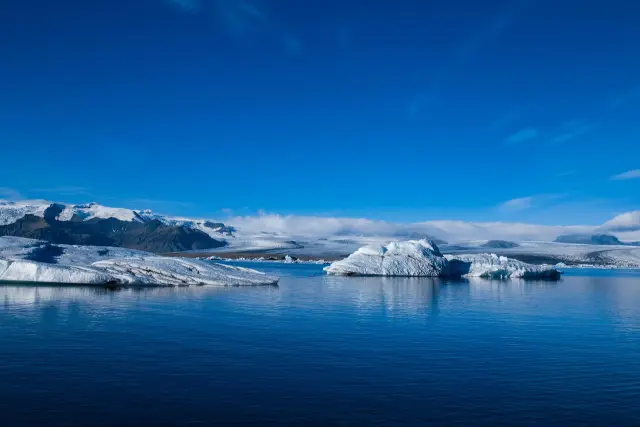
Iceland is renowned worldwide for its distinctly magnificent and unique natural landscapes, from mountains, waterfalls, hot springs, and black sand beaches to the magical Northern Lights. Whenever the Aurora Borealis is mentioned, Iceland is undoubtedly one of the first destinations that comes to mind. Iceland boasts breathtaking and truly wondrous natural scenery, filled with captivating highlights across the entire island. It is a dream destination that many travelers wish to experience at least once in a lifetime to immerse themselves in this remarkable wonder of nature. Today, we would like to introduce the most captivating spots across the country in our Top 15 Must-Visit Attractions in Iceland.
1. Reykjavik
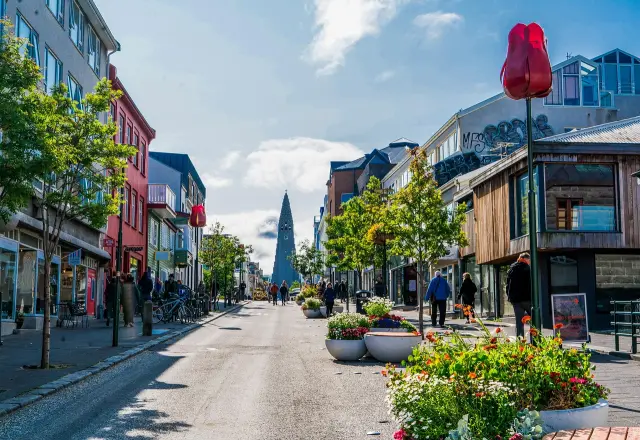
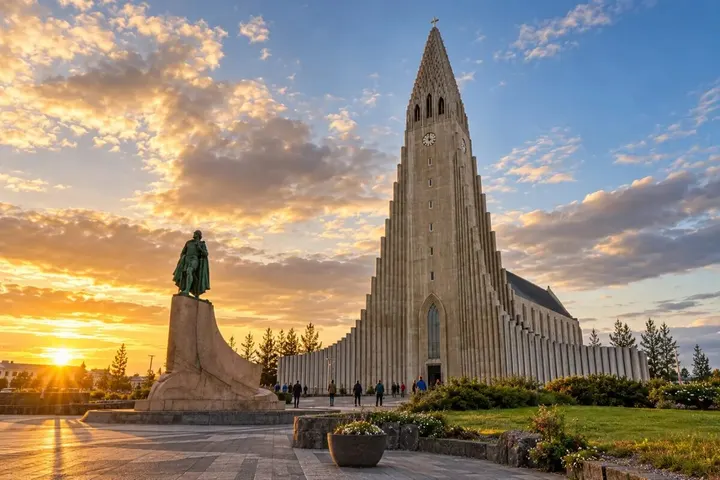
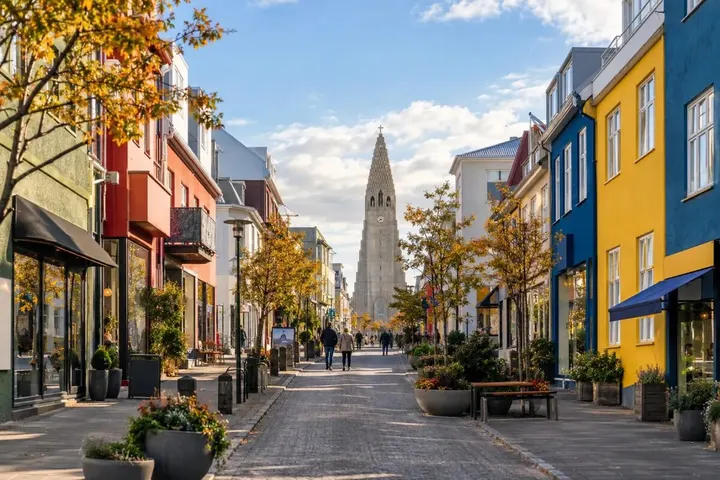
Reykjavik, the capital of Iceland, is the northernmost capital city in the world. It is blessed with stunning natural surroundings, charming houses, and historic architecture that reflect the nature, culture, and lifestyle of this little "Land of Fire and Ice" in fascinating detail. Reykjavik is widely regarded as one of the most charming and vibrant capitals in the Nordic region.
2. Kirkjufell
Kirkjufell, also known as Church Mountain or Witch's Hat Mountain, is one of the most photographed spots in Iceland. The mountain features distinct colored layers. It is believed that the lowest fossil layers date back millions of years to the Ice Age, while the upper layers consist of volcanic lava formed when the Ice Age began to warm up.
Kirkjufell can be visited all year round in every season, even during winter when the "Witch's Hat" is blanketed in snow. Almost every traveler stops here to capture stunning photos of the nearby waterfall with Kirkjufell towering in the background. Beyond being a favorite photo stop, it is also popular among hikers thanks to the breathtaking panoramic views from the summit.
3. Hraunfossar
Hraunfossar, also known as the Lava Falls, is distinctive because it is formed by countless small rivulets flowing out of porous lava fields from groundwater and glacial meltwater, rather than plunging down a single cliff face like typical waterfalls.
4. Godafoss
Godafoss, or the "Waterfall of the Gods," is renowned as one of the most beautiful waterfalls in Iceland and ranks among the country's top three largest waterfalls. Godafoss cascades in a graceful semicircular horseshoe shape into a deep canyon basin below.
5. Namafjall
Namafjall, also known as Namaskard, is a geothermal mountain ridge glowing in vibrant orange and yellow hues, filled with boiling mud pots rich in sulfur and superheated subterranean steam. As steam moves beneath the surface, it causes the boiling mud above to bubble and burst in miniature volcanic eruptions. Remarkably, Namaskard has virtually no vegetation or flowers growing, as continuous sulfur fumaroles create acidic soil where plants cannot survive.
6. Hofn
Hofn is a charming small Icelandic town renowned for its scenic coastal beauty and thriving lobster fishing industry, earning it the title of "The Lobster Capital of Northern Europe."
7. Jokulsarlon
Jokulsarlon & Diamond Beach: visiting Jokulsarlon means seeing a glacial lagoon fed by meltwater from Vatnajokull, the largest glacier in Iceland and Europe. This is why Iceland is often called the land of fire and ice, with massive glaciers blanketing active volcanoes. Besides soaking in the breathtaking scenery of the glacier, you can also take a boat tour among the icebergs at Jokulsarlon.
8. Svartifoss
Svartifoss, or the Black Waterfall, is one of the main highlights of Skaftafell National Park, the second-largest national park in Iceland. Although Svartifoss is not very tall, its distinct charm lies in the geometric columns of black lava rock cascading down in tiers. Nature has sculpted an extraordinary geological wonder here, creating a dramatic and truly magnificent backdrop for the waterfall.
9. Reynisfjara
Reynisfjara is Iceland's most famous black sand beach and one of the most renowned in the world. The dark sand comes from eroded volcanic lava and basalt rock fragments washed ashore and deposited over time. These dense grains are highly resistant to weathering. In this area, powerful waves carry lighter sediments away while heavier particles settle and accumulate, forming the striking black sand beach we see today.
10. Skogafoss
Skogafoss is another stunning landmark in Iceland. In addition to being the most famous waterfall in southern Iceland, it is also one of the tallest at around 62 meters high and ranks as the fifth-largest waterfall in the country.
Skogafoss is an immense waterfall with powerful cascades that produce a perpetual spray of mist. If you visit on a sunny day with the light angled toward the falls, you can clearly see a vibrant rainbow directly in front. On lucky days, you might even catch a spectacular double rainbow, which is truly an unforgettable sight.
11. Seljalandsfoss
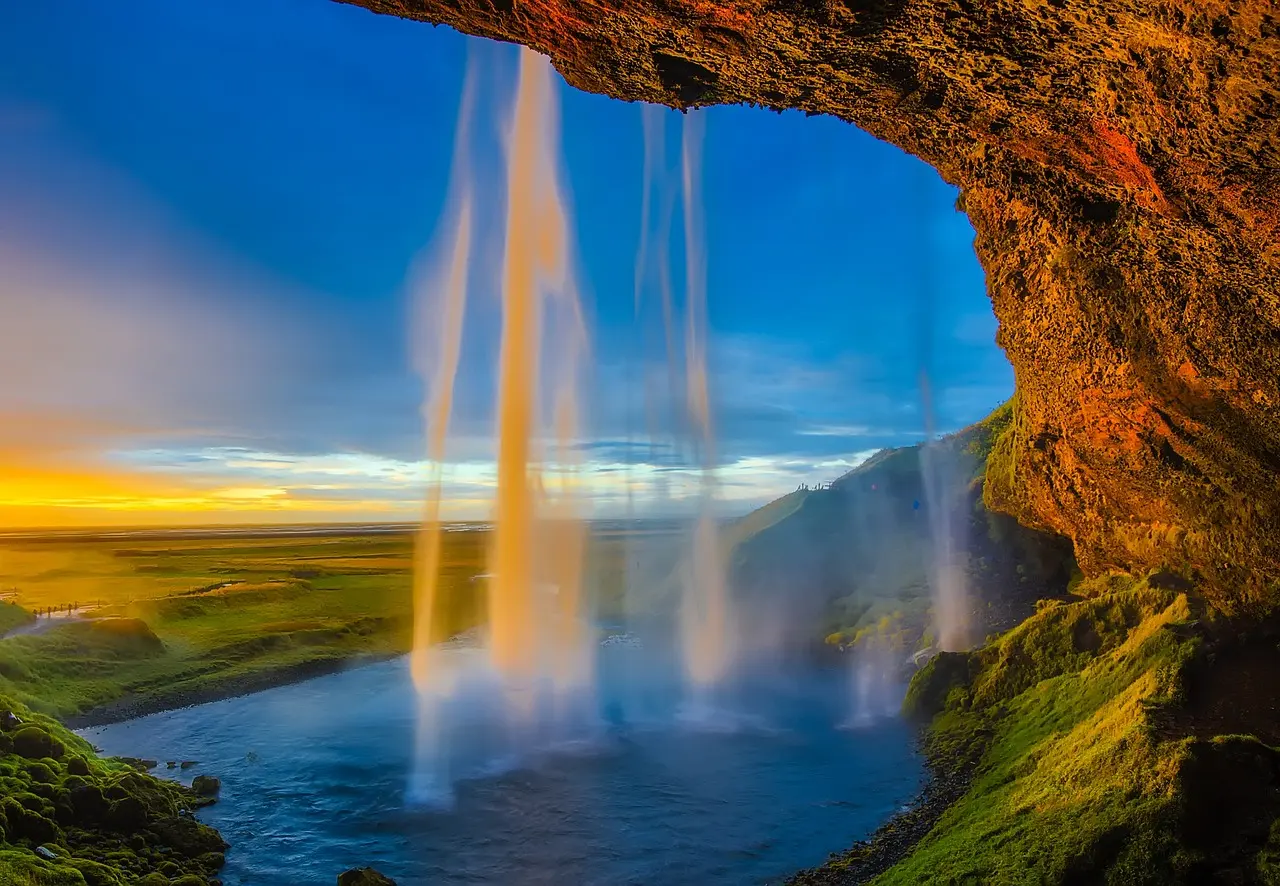
Seljalandsfoss is a world-famous waterfall celebrated as one of the most picturesque spots in Iceland. Towering at 60 meters high, it offers visitors the unique opportunity to walk behind the cascading curtain of water, making for an exhilarating and refreshing perspective.
If you visit Seljalandsfoss during summer, you will experience an entirely different ambiance: lush green grass and vibrant moss framing the falls, accompanied by colorful wildflowers blooming all around the area, which is absolutely gorgeous.
12. Geysir
Geysir / Geyser: The Great Geysir first erupted over ten thousand years ago following a powerful earthquake that cracked open the earth's crust, giving rise to this rare natural hot spring. It is the highest-spouting hot spring in Iceland. The entire geothermal area is shrouded in rising steam, creating an otherworldly landscape for first-time visitors. As one of nature's rarest phenomena, the Geysir geothermal field is a must-see destination in Iceland.
13. Gullfoss
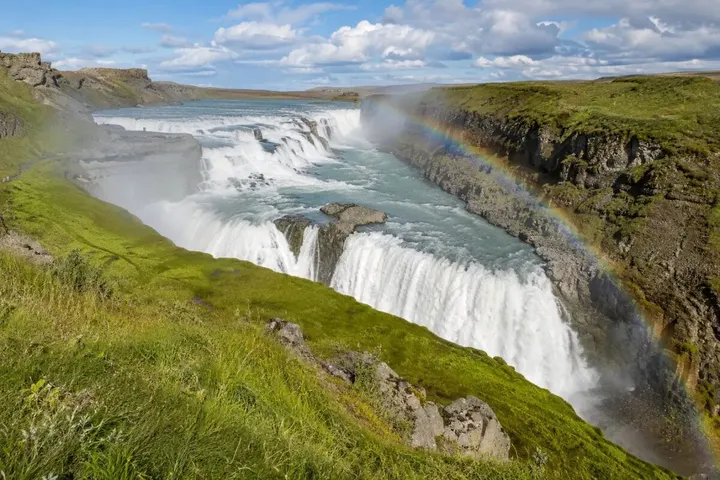
Gullfoss, often called the "Niagara of Iceland," is one of the largest and most celebrated waterfalls in the country. The hallmark of Gullfoss is its distinctive triangular, multi-tiered cascade, plunging down in two stages before roaring into a deep glacial canyon below. This produces billowing white clouds of mist rising high into the air, carved out by catastrophic glacial floods near the end of the Ice Age.
14. Thingvellir National Park
Thingvellir National Park is Iceland's first national park, nestled between a dramatic rift valley and the largest natural lake in the country.
Thingvellir National Park is a fascinating historical and geological focal point of the world, marking the boundary where the Eurasian and North American tectonic plates drift apart. Deep fissures formed by an earthquake in 1784 stretch across the landscape for miles. Designated as a UNESCO World Heritage Site in 2004, Thingvellir National Park is a quintessential Icelandic landmark that everyone should experience at least once in a lifetime.
15. Blue Lagoon
The Blue Lagoon is one of Iceland's most iconic attractions, welcoming over 500,000 travelers each year. This geothermal spa features milky-blue waters rich in underground minerals, renowned not only for nourishing the skin but also for soothing certain dermatological conditions.
When visiting the Blue Lagoon, you can soak in the warm geothermal waters for ultimate relaxation. The water temperature is perfectly balanced to ease tired muscles and joints, and the mineral water naturally renews itself every 48 hours. The Blue Lagoon is truly one of Iceland's premier destinations for deep relaxation and wellness.
Planning it yourself?
What independent travellers usually book before they go, from providers that actually work

Thai language, pay in baht
 Photo: Jakub Hałun · CC BY 4.0 · Wikimedia Commons
Compare many rental companies on one page
Popular with Thai travellers, Thai-language pages
Museum and landmark tickets, ready on your phone
Hotels near the station and old town, many with free cancellation
One way from about 14,289 baht (Dec 2026)
Partner links · we may earn a small commission when you book, your price stays the same
Let Rin design a trip for your group