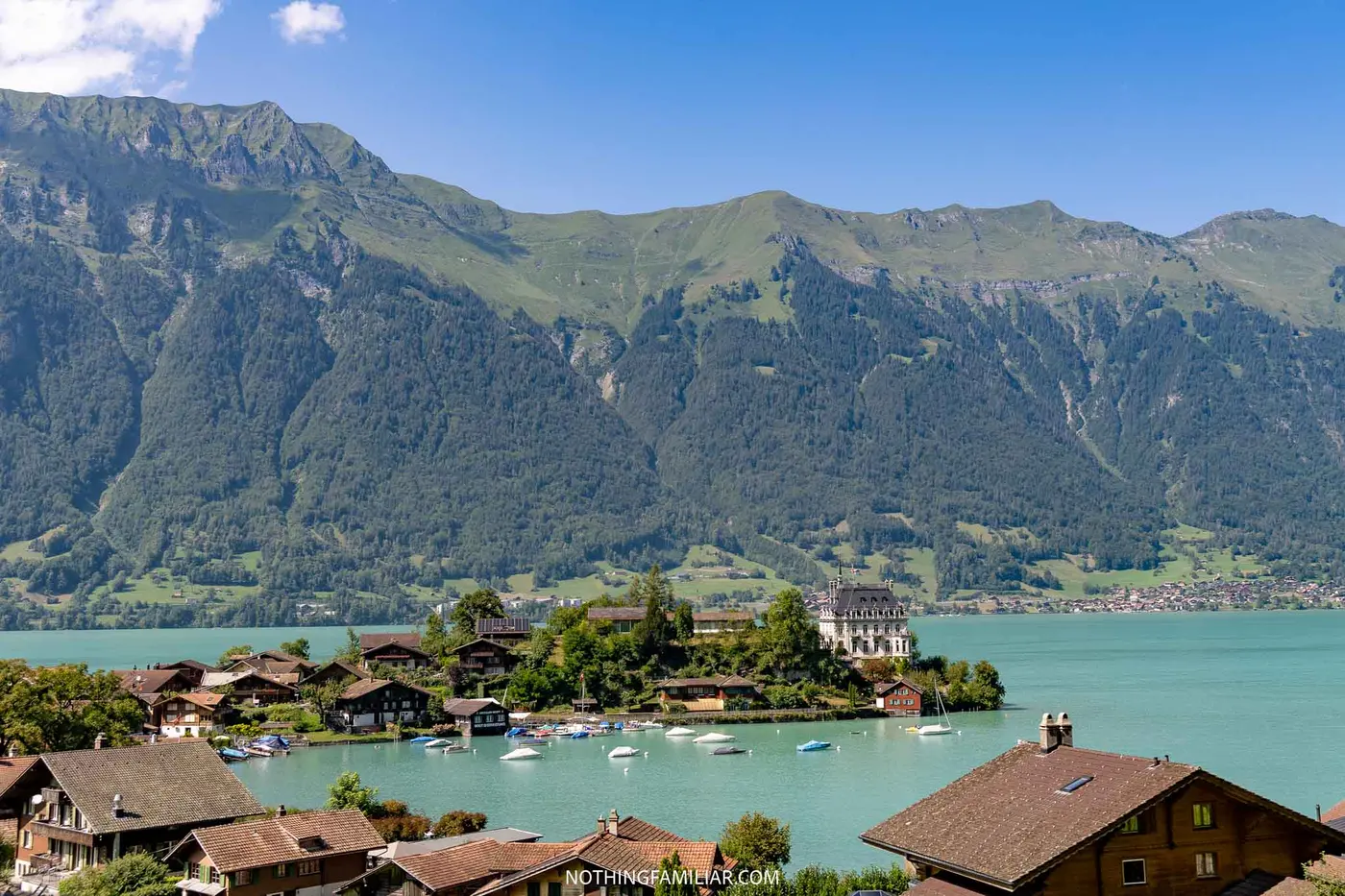
The Land of the Midnight Sun refers to places where the sun still shines even after midnight. This is a high season when travelers from all over the world come to visit in large numbers from June to July.
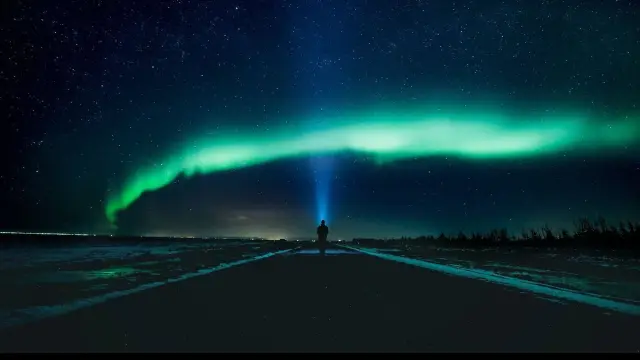
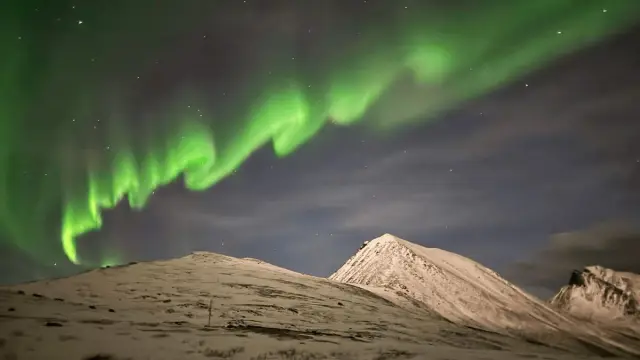
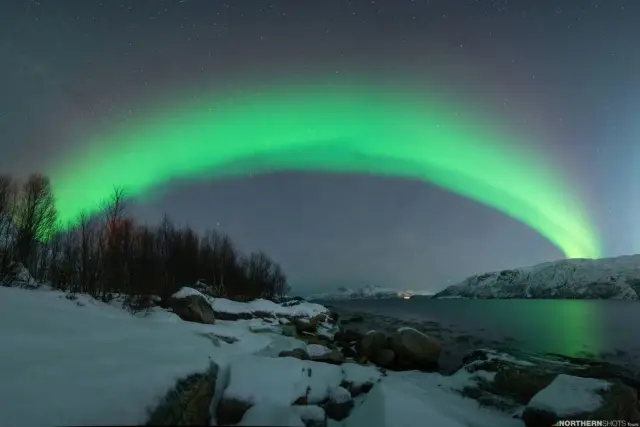
Aurora (Aurora Borealis) or Northern Lights (Northern Lights) is a phenomenon of glowing light—sometimes green, yellow, or orange—shifting colors like a dance across the sky on clear nights when stars are visible in the polar region. For this phenomenon, you may have to wait until it is completely dark, and please check the aurora forecast carefully so you do not miss the chance at www.gialaska.eau/auroraforcase. The viewing period is on dark moonless nights between late October and January every year.
The Birthplace of Santa Claus According to the legend of Saint Nicholas, the long-bearded old man in a red coat rides a snow sleigh powered by several reindeer across the distant sky, slipping down the chimneys of good children's homes to put gifts into stockings hung in front of the fireplace in the middle of Christmas night.
The Sami People are an indigenous people of Lapland. The Sami community territory known as Sapmi covers northern Finland, central Norway and Sweden, and extends to parts of Russia. The Sami make their living primarily by herding reindeer. Their dwellings include tent-like tepees and earthen huts used to store food in winter. If you are interested in the Sami, you can learn more at www.sapmi.no
Ice Hotel (Snow and Ice Accommodation) For anyone interested in cooling off, we recommend the village of Jukkasjärvi (Jukkasjarvi), Kiruna, Sweden. Every part inside is designed entirely out of ice, from the guest rooms and bathrooms to the dishes, bowls, and glasses.
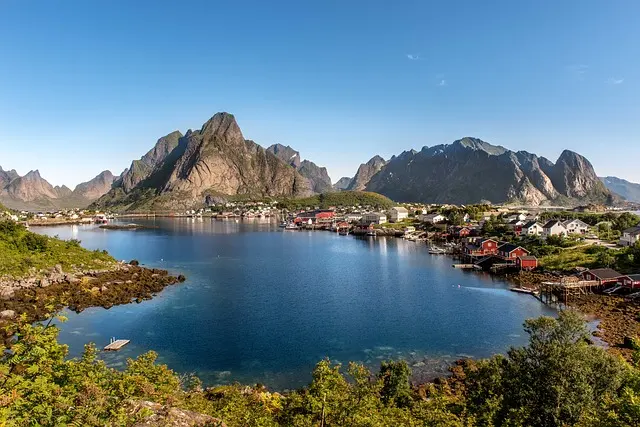
Fjords (Fjord) are formed by glacial erosion over tens or hundreds of thousands of years. Simply put, it dates back to the ice age, surrounded by intricate, towering peaks that are breathtakingly beautiful. Norway is the original land of the Vikings in Scandinavia, home to the world's most vast and magnificent fjords known as (Norwegian Fjord), located on the west coast of Norway. Aurlandsfjord (Aurlands Fjord) is also part of Sognefjord (Sogn Fjord), the longest in the world at around 204 kilometers. As for traveling to see the peaks of Norway, you can travel by train or ferry.
Glaciers (Glacier) are formed when snow falls and accumulates to nearly 60 meters thick. Across vast areas, the snow slowly moves downward, which usually occurs on steep slopes or mountainsides. This slow downward movement can cause deep groove erosion because the immense weight of the accumulated snow-turned-ice exerts heavy pressure, causing the glacier to gradually scrape the underlying terrain and carve out transverse valleys. When the glacier reaches the lower areas, it breaks apart and gradually melts into clear flowing streams. As for the ice that is severed and breaks off, it drifts into the sea and is called an iceberg. The color of glaciers is often greenish with hints of purple or blue.
This is just a part of the wonders of Scandinavia. There are still many other things to see and do, such as riding snowmobiles, cruising on an icebreaker, and seeing reindeer and moose. Many people still wonder how reindeer and moose are different, so let's take a look.
Reindeer Reindeer are the only deer species where females have antlers, though female antlers are smaller than those of males. In Europe and Siberia, reindeer are raised on farms, and during snowy winters, they are used to pull sleds because their hooves are larger than those of other deer species. Some local dishes in this region are also made with reindeer meat. Reindeer stand about 1.5 meters tall, with fluffy chest fur resembling a shawl and coarse outer fur. Their coat is brown, and they weigh around 320-380 kilograms. They are generally peaceful animals and will fight only when danger comes close.
Moose Moose living in the wild face the risk of future extinction because they are hunted for the pungent oil from glands in the male's abdomen, used as a perfume base. In general, moose have long, coarse body fur with colors that change with the seasons, ranging from brown to black. They have large, long antlers. Moose are widely found in Norway and Sweden. In northern Europe, this deer is called a moose, while in the rest of Europe and Siberia, it is often called an elk.
Planning it yourself?
What independent travellers usually book before they go, from providers that actually work

Thai language, pay in baht
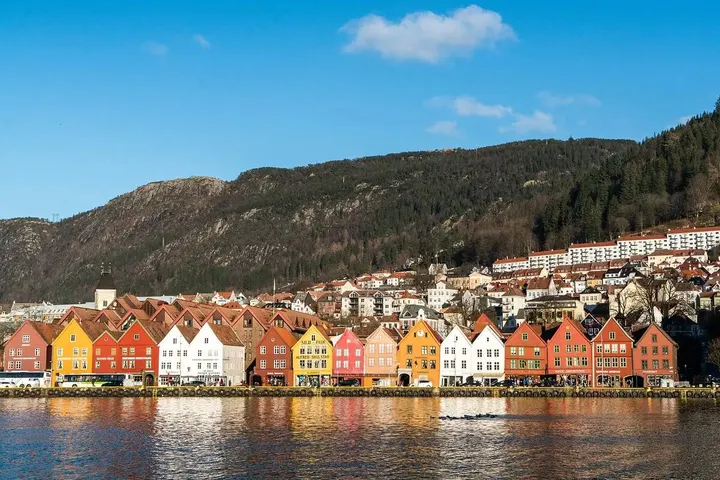
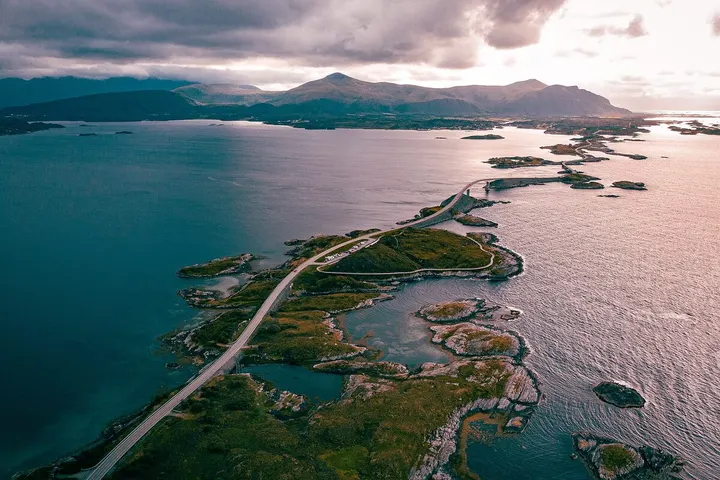 Photo: Clementp.fr · CC BY-SA 4.0 · Wikimedia Commons
Compare many rental companies on one page
Popular with Thai travellers, Thai-language pages
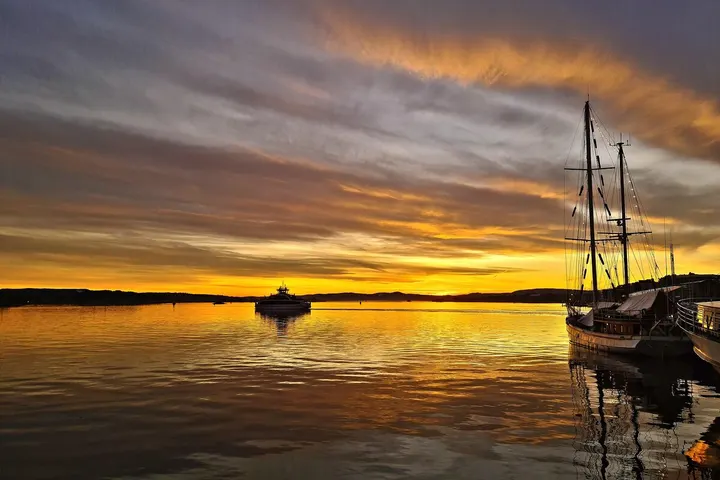 Photo: Geir Hval · CC BY-SA 4.0 · Wikimedia Commons
Museum and landmark tickets, ready on your phone
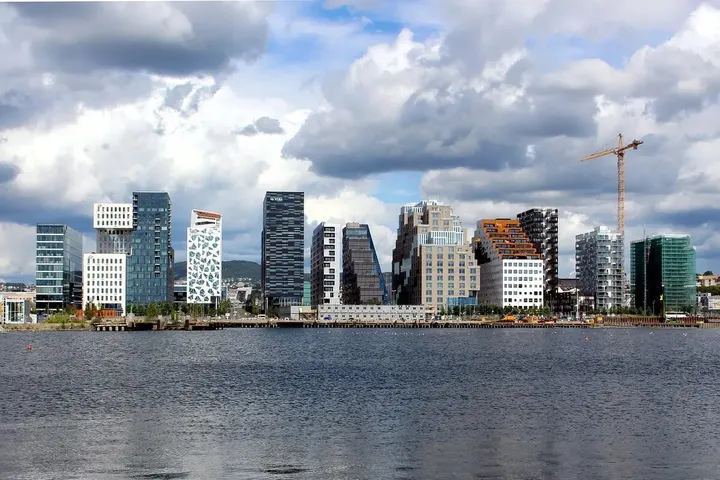
Hotels near the station and old town, many with free cancellation
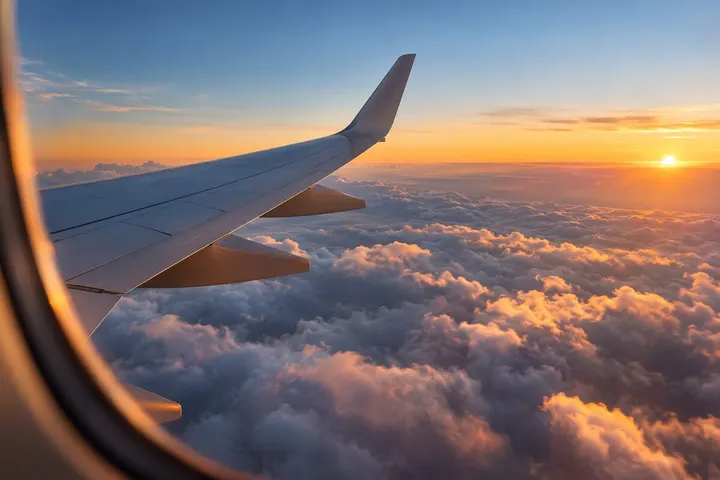
One way from about 5,273 baht (Dec 2026)
Partner links · we may earn a small commission when you book, your price stays the same
Let Rin design a trip for your group